Tag

Halleys Comet

All articles tagged with #halleys comet

Orionid Meteor Shower Peaks Oct 21-22; Saturn at Opposition
science8 days ago

Orionid Meteor Shower Peaks Oct 21-22; Saturn at Opposition

The Orionid meteor shower, caused by debris from Halley's Comet, is active until November 7, 2026, peaking overnight on October 21-22. Meteors enter Earth's atmosphere at 41 miles per second, with up to 20 per hour visible under ideal conditions. Saturn is at opposition on October 3-4, appearing brightest. The full moon on October 26 may dim fainter meteors.

Orionid Meteor Shower Peaks in Late October, Offering Fast Streaks Despite Cloudy UK Skies
science8 days ago

Orionid Meteor Shower Peaks in Late October, Offering Fast Streaks Despite Cloudy UK Skies

The Orionid meteor shower, caused by debris from Halley's Comet, is active until November 7, 2026. It peaks overnight on October 21-22, with meteors entering Earth's atmosphere at 41 miles per second. While ideal conditions allow 10-20 meteors per hour, UK viewing prospects are mixed due to cloud and rain in the north and Midlands, though southern and eastern England may see clear spells. The approaching full moon on October 26 may dim fainter meteors.
Halley’s 1910 Tail Panic: Spectroscopy, Sensationalism and a Poison That Wasn’t
science29 days ago

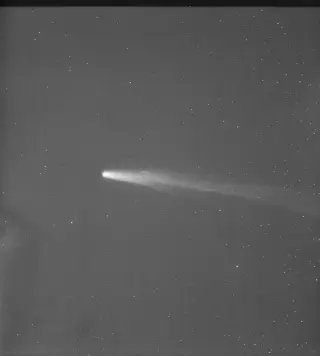
Halley’s 1910 Tail Panic: Spectroscopy, Sensationalism and a Poison That Wasn’t

Earth crossed Halley’s 1910 tail after cyanogen was spectroscopically detected, but the tail was so diffuse that no harmful effect occurred. Sensational reporting turned the finding into a poison scare, fueling sales of comet pills, leather inhalers, gas masks and even ‘comet insurance,’ despite the science distinguishing detection from a dangerous dose. Later analyses and missions clarified the physics of an extremely thin tail, underscoring how media framing can mislead when scale and exposure aren’t understood.

Was the Flying Monk Really Seeing Halley’s Comet—or a Different One?
science3 months ago

Was the Flying Monk Really Seeing Halley’s Comet—or a Different One?

Ars Technica revisits the legend of Eilmer of Malmesbury, the 11th‑century monk who built wings and flew circa 600 feet, by examining whether his famous 1066 sighting of a comet was Halley’s or possibly the 1018 apparition. University of Leicester historian James Aitcheson argues that if Eilmer’s birth year is earlier (around 984) or later (early 1010s), he might have witnessed a different comet, which would challenge the idea that he understood Halley’s periodicity centuries before Edmund Halley. The dating rests on William of Malmesbury’s 12th‑century account, which offers no precise dates, leaving open the possibility that the tale of “Eilmer’s Comet” may refer to a different celestial visitor and complicates medieval skywatching lore.

Eta Aquariids Peak Tonight as Halley’s Debris Sparks Up to 50 Meteors per Hour
space5 months ago

Eta Aquariids Peak Tonight as Halley’s Debris Sparks Up to 50 Meteors per Hour

Tonight (May 5–6, 2026), the Eta Aquariids peak as Earth passes Halley’s Comet debris, delivering up to 50 meteors per hour before dawn. The shower runs April 19–May 28 and is visible from both hemispheres, best viewed under dark skies away from light pollution, with meteors traveling about 40.7 miles per second. A waning gibbous moon at 86% illumination may wash out fainter meteors, so give your eyes about 30 minutes to adapt and look toward the eastern horizon.

Eta Aquarid 2026: Predawn meteor peak amid a bright Moon and horizon-wide viewing
space5 months ago

Eta Aquarid 2026: Predawn meteor peak amid a bright Moon and horizon-wide viewing

Space.com reports the Eta Aquarid meteor shower should peak in the predawn hours of May 6, 2026. Southern Hemisphere observers could see as many as ~60 meteors per hour, while Northern Hemisphere viewers will see fewer because the radiant stays low in the southeast. The peak follows the May 1 full Moon (about 81% illuminated), so moonlight will wash out fainter meteors, though dramatic Earthgrazers can still appear under dark skies. The meteors originate from Halley’s Comet debris, radiate from Aquarius, and are best seen from a dark location before dawn. Allow 20–30 minutes for night vision to adjust, plan to watch for an hour or two, stay warm, and consider using a camera for long-exposure captures if conditions permit.

Eta Aquariid Meteor Shower: Dawn-Watching Tips for Tonight
space5 months ago

Eta Aquariid Meteor Shower: Dawn-Watching Tips for Tonight

The Eta Aquariid meteor shower peaks tonight into early Wednesday pre-dawn, with the best views in the last hours before dawn. Viewing is stronger in the Southern Hemisphere (up to about 40 meteors per hour in ideal conditions) and hampered in the Northern Hemisphere by a bright Moon. For best results, seek dark skies away from city lights, lie back to gaze upward, and give your eyes about 45 minutes to adjust. The meteors come from Halley’s Comet, streaking at ~40 miles per second; a future peak isn’t expected until 2061.

Eta Aquariids Peak as Debris From Halley's Comet Sparks Meteor Showers
science5 months ago

Eta Aquariids Peak as Debris From Halley's Comet Sparks Meteor Showers

The Eta Aquariids meteor shower, produced by debris from Halley's Comet, peaks May 4–6, 2026. Best viewing is around 4 am local time, with the Southern Hemisphere seeing up to about 60 meteors per hour and the Northern Hemisphere around 10 per hour, moonlight washing out fainter streaks. The shower runs through late May, offering continued chances to catch meteors; maximize viewing by keeping the Moon out of sight and letting Aquarius rise. The next notable showers arrive in July (Delta Aquariids and Alpha Capricornids) and the Perseids peak under a new Moon in August.

Pre-dawn Eta Aquarids to Light May Skies
space5 months ago

Pre-dawn Eta Aquarids to Light May Skies

The Eta Aquarids are forecast to peak in the pre-dawn hours of May 5-6, offering up to about 50 meteors per hour under clear skies as they streak across the sky at roughly 40.7 miles per second; for best views, look east toward the Aquarius radiant before dawn, with activity tapering after the peak but some meteors visible through about May 21; the shower comes from debris left by Halley’s Comet, which orbits the Sun every 76 years.

Eta Aquariid meteors: Halley’s dust to light up early May skies
space5 months ago

Eta Aquariid meteors: Halley’s dust to light up early May skies

The Eta Aquariid meteor shower peaks overnight May 5–6, 2026, with fast meteors from Halley’s Comet debris. Activity runs April 19–May 28; rates are strongest in the Southern Hemisphere (up to ~50 meteors/hour) and lower in the Northern Hemisphere (roughly 10–30/hour). Meteors travel around 40.7 miles per second (65.4 km/s). A bright 84% full Moon will hinder faint meteors, so the best viewing is before dawn on May 6 with dark skies and naked-eye watching; photos are possible with a good astrophotography camera. The shower is tied to Halley’s debris as Earth passes through it each year, with Halley’s return in 2061.

Moonlit Eta Aquarids: Halley’s Debris Dimmed by Bright Moon
science5 months ago

Moonlit Eta Aquarids: Halley’s Debris Dimmed by Bright Moon

The Eta Aquarid meteor shower, made from Halley’s comet debris, peaks Tuesday night into Wednesday morning, but a bright 84% full waning-gibbous Moon is likely to wash out many meteors. Southern Hemisphere observers could see about 50 meteors/hour under dark skies, while Northern Hemisphere viewers may observe fewer than 10 per hour. For best views, go out before dawn away from city lights and look east toward Aquarius near Eta Aquarii; Halley’s next approach is in 2061.

Eta Aquarids Peak Illuminates Dawn Skies, Echoing Halley’s Comet Legacy
science5 months ago

Eta Aquarids Peak Illuminates Dawn Skies, Echoing Halley’s Comet Legacy

A fast Eta Aquarid meteor shower—debris from Halley’s Comet—peaks overnight May 5–6, 2026, with best viewing just before dawn. Southern Hemisphere may see up to 50 meteors per hour; Northern Hemisphere 10–30. Moonlight will dim fainter meteors, so seek dark skies, scan broad areas away from the Aquarius radiant, and enjoy bright trails; no telescope needed.

Eta Aquarids 2026: Catch the pre-dawn meteor shower from Halley’s debris
space5 months ago

Eta Aquarids 2026: Catch the pre-dawn meteor shower from Halley’s debris

The Eta Aquarid meteor shower reaches a pre-dawn peak around May 5–6, 2026, with up to about 50 meteors per hour under clear skies, though bright moonlight will wash out fainter ones. The debris comes from Halley’s Comet, making the shower especially strong for the Southern Hemisphere or near the equator; observers farther north can still see roughly 10–30 meteors per hour at the peak. For the best view, head to a dark location, let your eyes adapt for about 30 minutes, and view around 2:00 a.m. local time up until dawn. No telescope is required, and you can enhance your experience with quiet, dark-sky observing and photography tips.