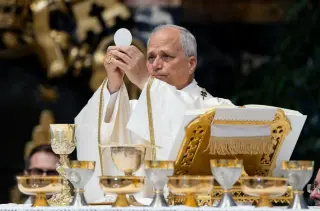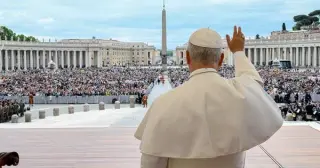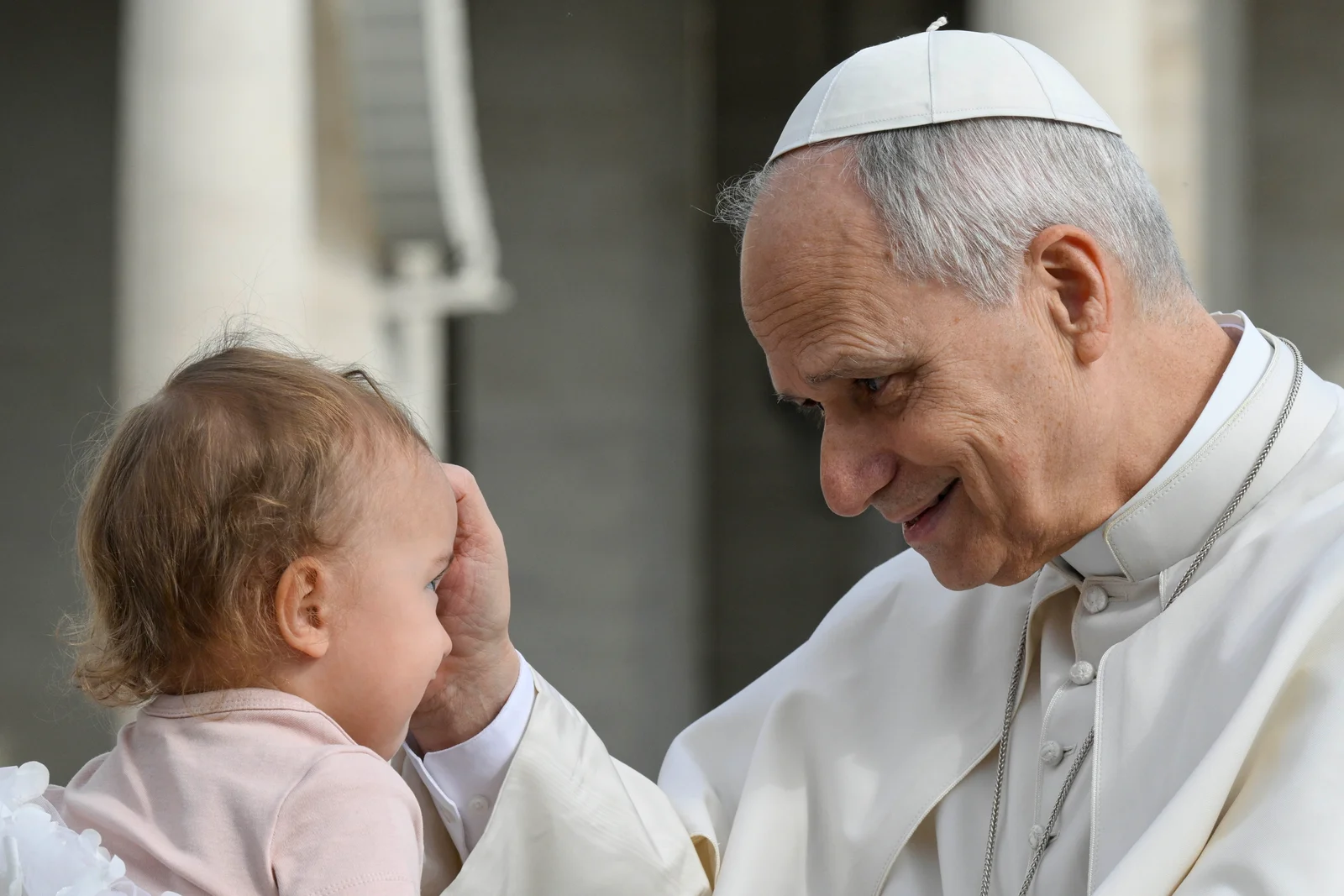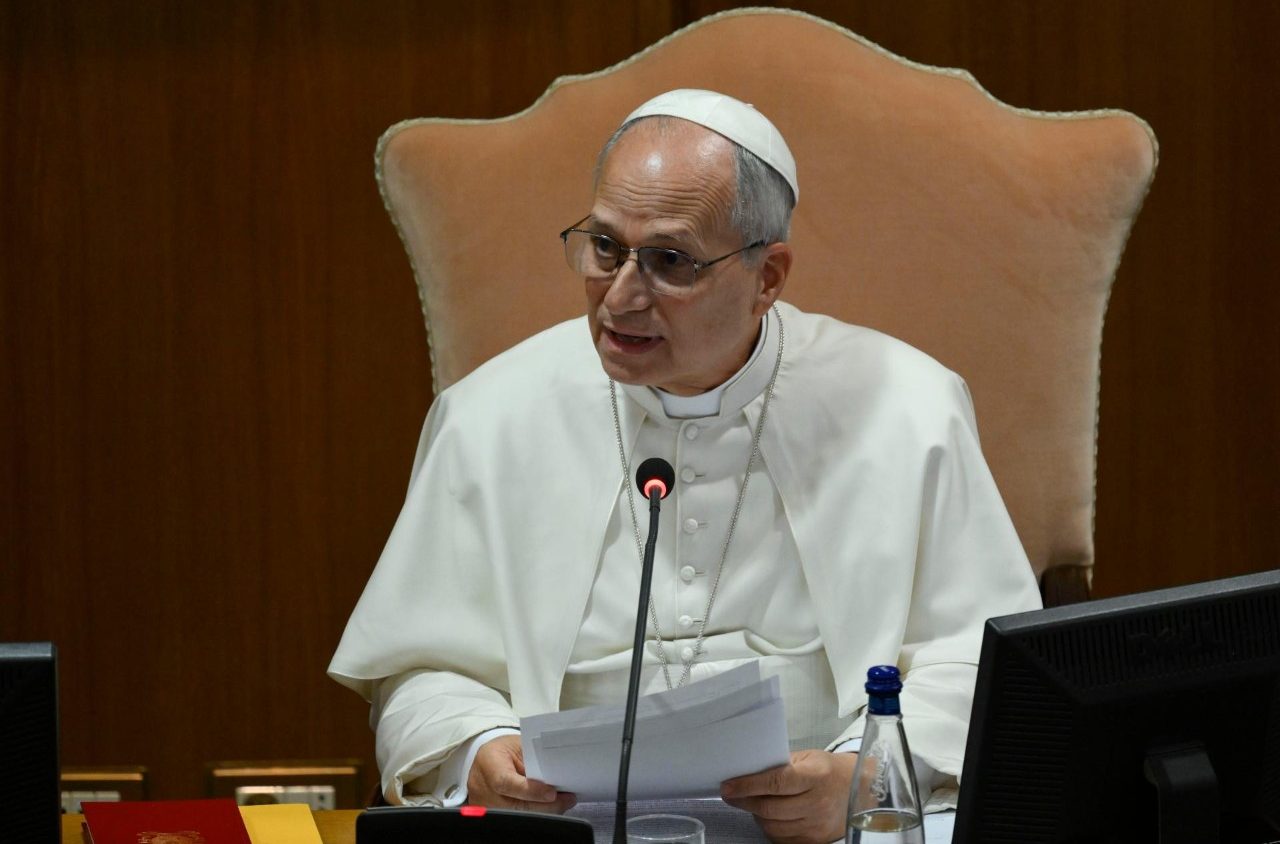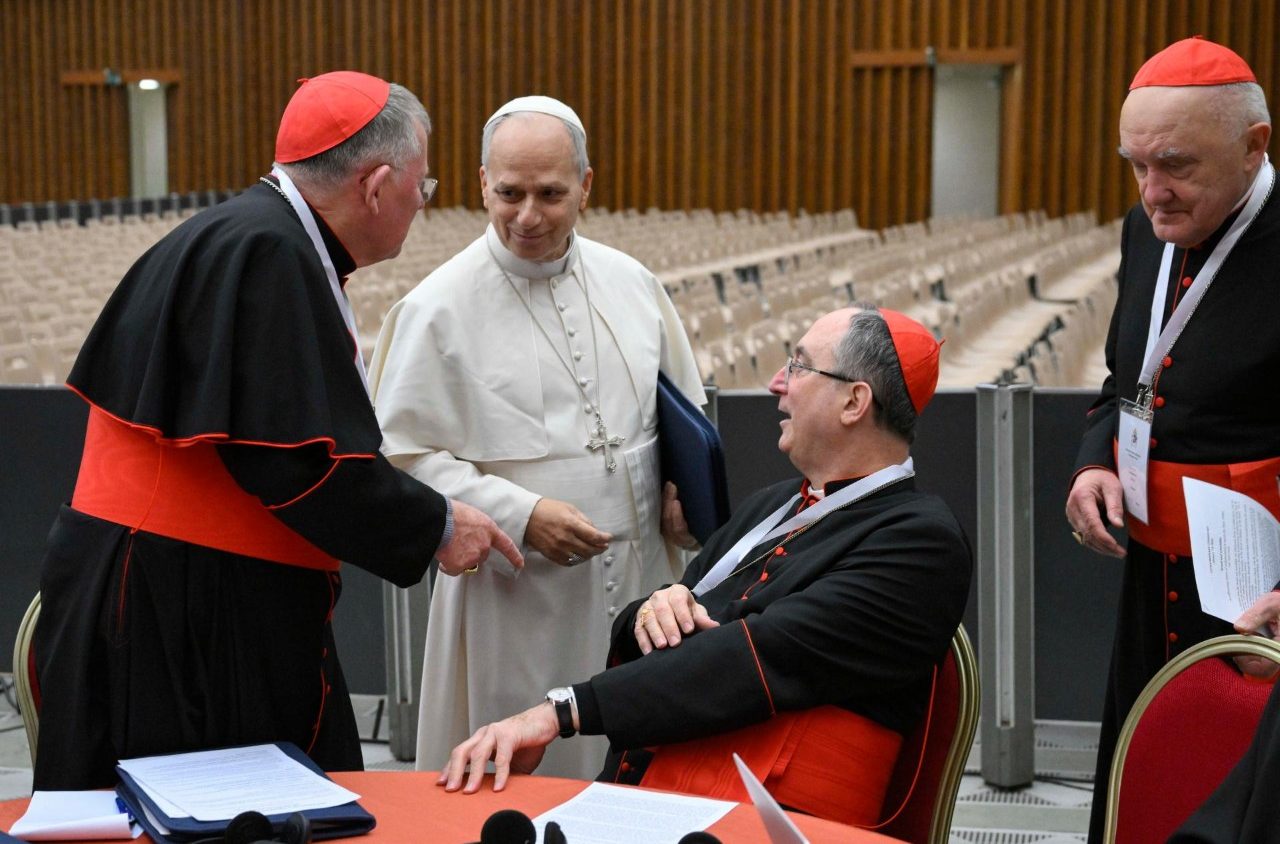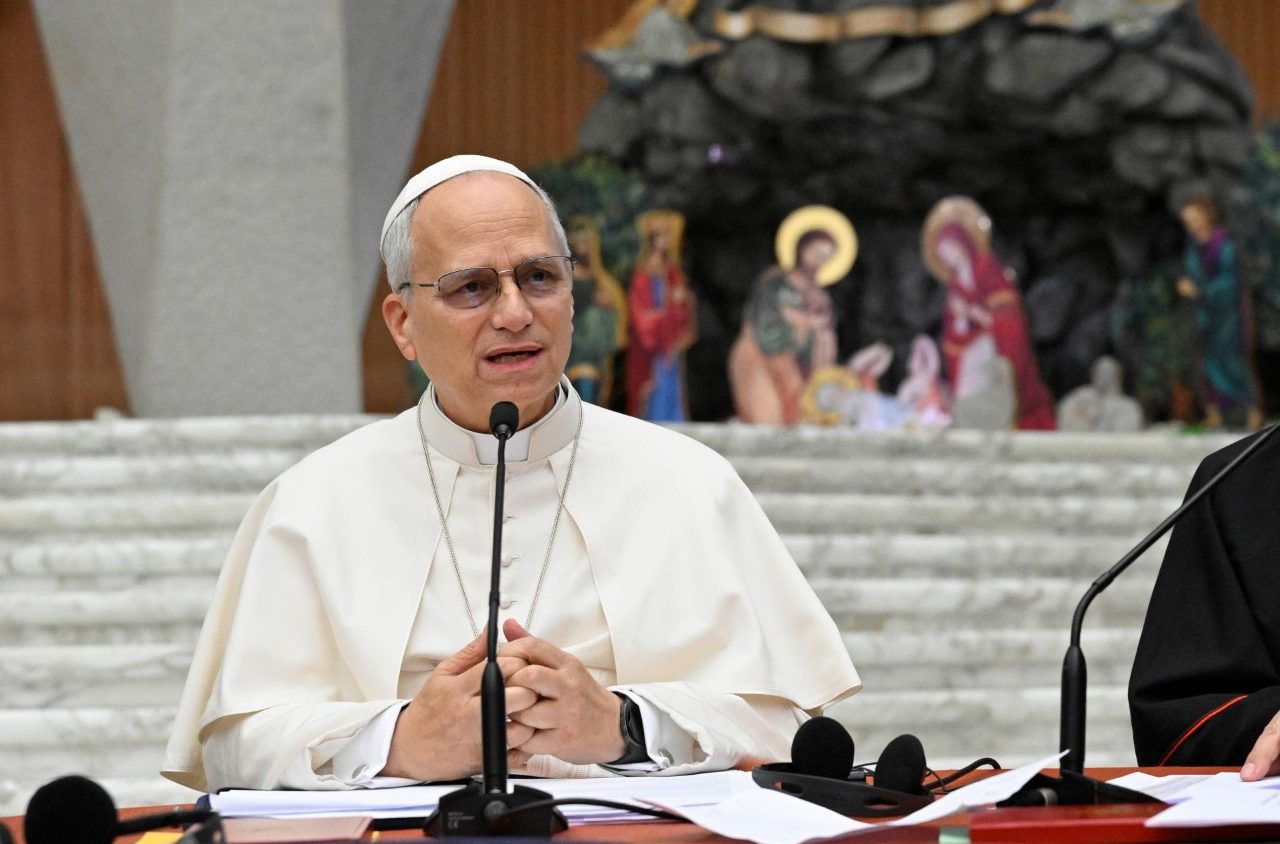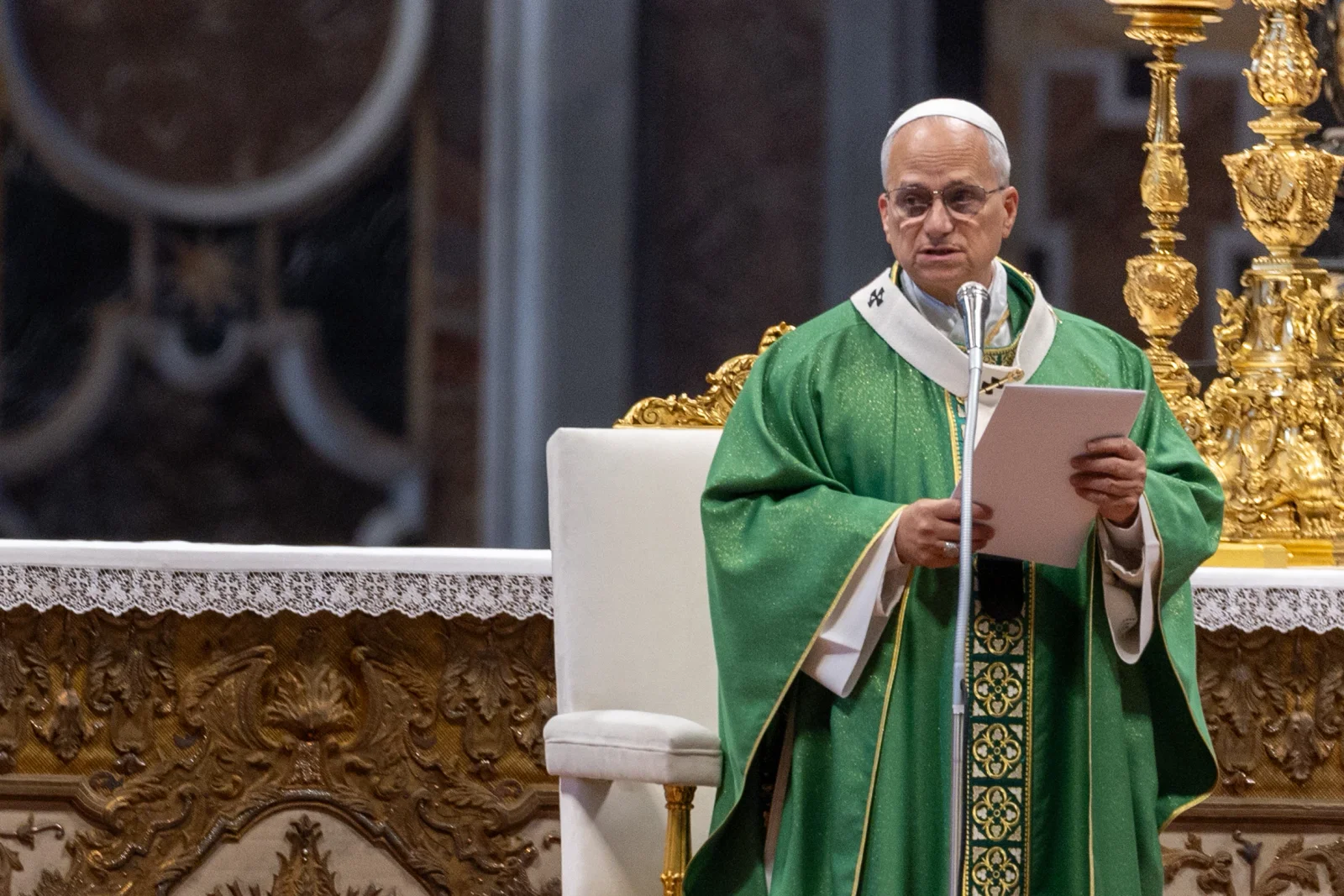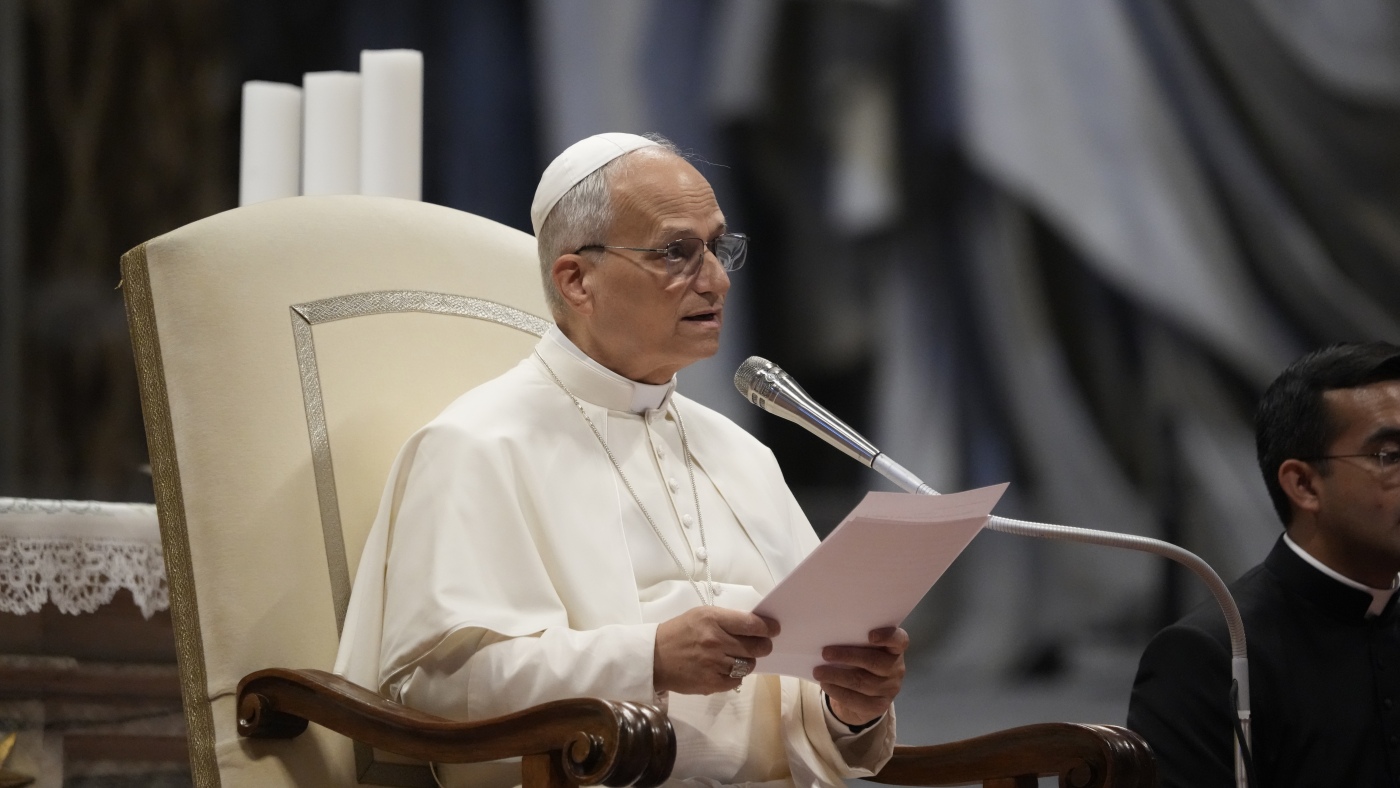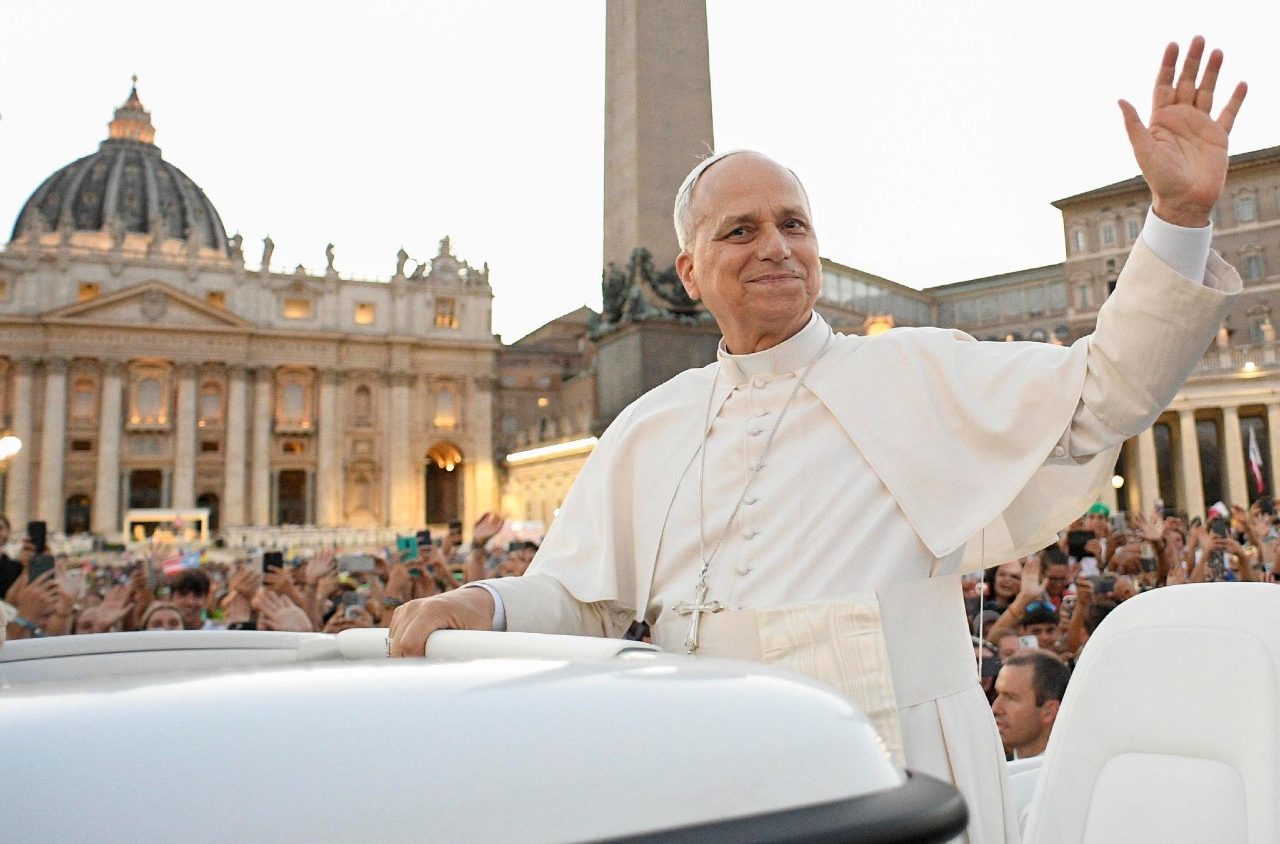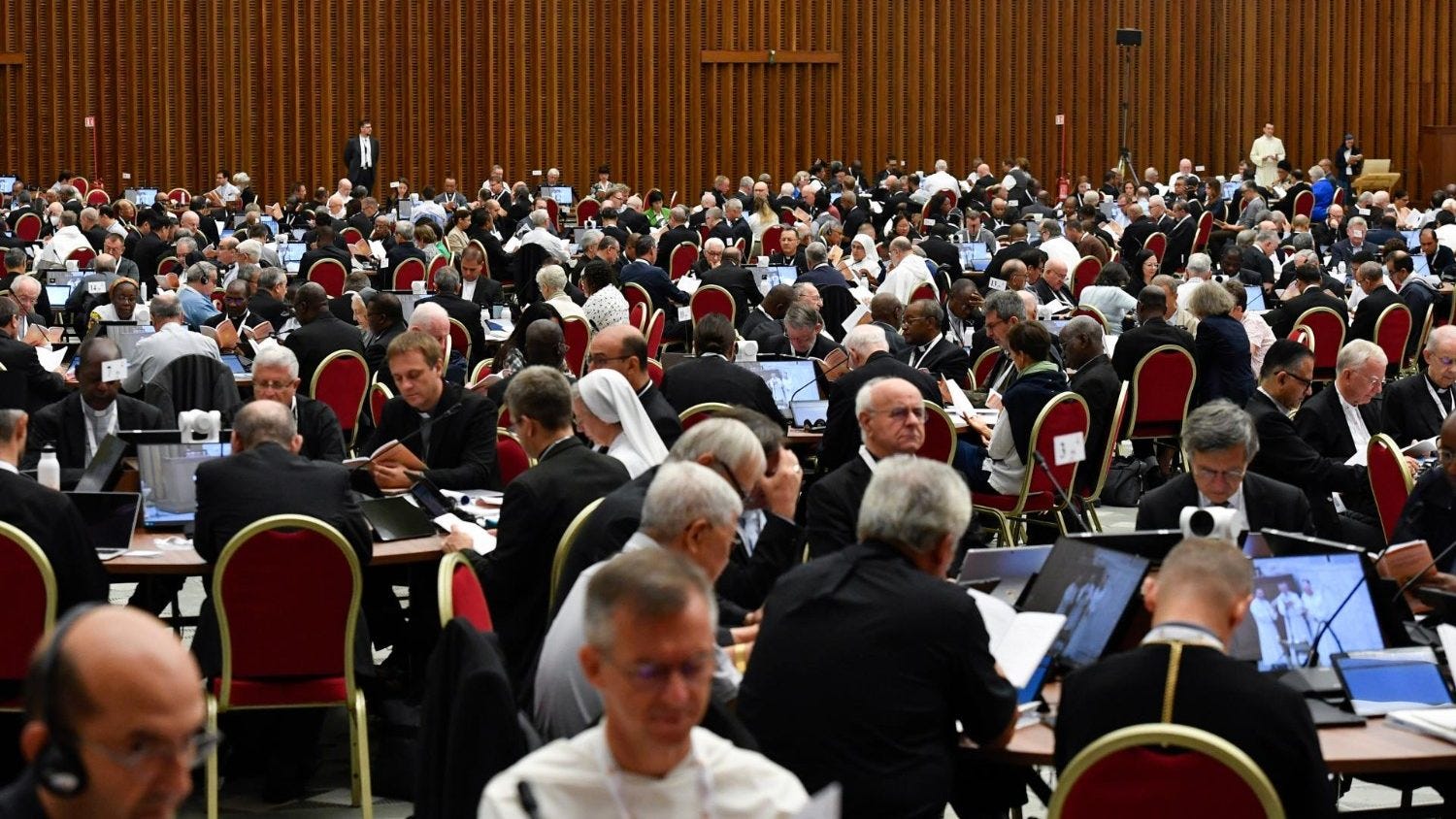
At the opening Mass for the Extraordinary Consistory in St. Peter's Basilica, Pope Leo XIV urged cardinals to seek true freedom of faith, pray for peace in unity, and pursue harmony through obedience, stressing that war is never worthy of humanity or blessed by God, and highlighting the ongoing Synod and the example of Peter and Paul.
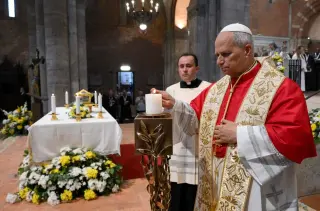
During his pastoral visit to Pavia’s Basilica di San Pietro in Ciel d’Oro, Pope Leo XIV highlights St Augustine’s emphasis on interiority, urging the Church to read the signs of the times, keep Christ at the center of all activity, and blend tradition with synodality to avoid dispersion and pessimism while valuing historic practices like parish youth centers.
Pope Leo XIV, elected in May 2025, is steering the Vatican with a quiet, unity-first approach—preserving Francis-era continuity while promoting synodality, dialogue, and ecumenism—avoiding polarizing stances on hot-button issues and planning ongoing meetings and pilgrimages that emphasize peace, social justice, and engagement with bishops worldwide.
The Vatican’s General Secretariat released the first parts of the Final Reports from Study Groups 7 and 9 on how bishops are chosen and how the Church should address doctrinal, pastoral, and ethical questions. The reports foreground discernment in episcopal selection, outline synodal competencies for candidates, and urge broad consultation that includes clergy, consecrated persons, and laypeople, plus ongoing formation for clergy. They advocate a shift to a paradigm that treats difficult questions as ‘emerging,’ guided by pastorality and three steps—listening to ourselves, listening to reality, and convening diverse knowledge—while calling for more synodal procedures across Roman Curia bodies. Concrete examples touch on homosexual Catholics and nonviolence, underscoring testimony as a basis for discernment and inviting the Church to apply these guidelines broadly.”,
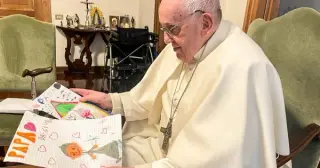
After Pope Francis's death in 2025, Vatican staff quickly cleared Casa Santa Marta, a moment underscored by a personal photo of NCR journalist Salvatore Cernuzio found in his study. Cernuzio's memoir Padre: An Untold Portrait of Pope Francis portrays a pope deeply engaged with crises and daily humanity, including late-life pilgrimages to Gaza and migrant sites, and even a possible Moscow–Kyiv mediation, as well as his habit of personal, caring gestures. The book argues his legacy lies in prophetic openness and ongoing dialogue rather than fixed doctrinal decisions. A companion volume, Reactivating Pope Francis, frames his impact as open processes and synodality that keep the Church moving forward.
Pope Leo XIV invites presidents of the world’s bishops’ conferences to Rome in October for a synodal-discernment on applying Amoris Laetitia to today’s families, a broader pastoral effort not tied to the ongoing Synod on Synodality.
Pope Leo XIV addressed the sexual abuse crisis in the Church, emphasizing the importance of listening to victims, fostering dialogue among cardinals, and continuing efforts for reform and support, including upcoming meetings and initiatives rooted in Vatican II principles.
Pope Leo XIV announced plans for an annual Consistory, with the next scheduled for June near the Feast of Saints Peter and Paul, emphasizing continuity, synodality, and global Church unity, while also addressing issues like Venezuela and the role of laity and women in the Church.
Pope Leo XIV emphasized the importance of unity, discernment, and mission during a Vatican meeting with cardinals, highlighting themes of synodality and evangelization, and encouraging ongoing dialogue and collaboration within the Church to proclaim the Gospel and adapt to contemporary challenges.
Pope Leo XIV emphasized the importance of unity and humility within the Church, urging believers to avoid polarizations between tradition and novelty, and to seek harmony through the guidance of the Holy Spirit, fostering a more inclusive and synodal community.
In his first interview, Pope Leo XIV emphasized the importance of addressing income inequality, polarization, and promoting peace, while advocating for a synodal church that fosters dialogue and understanding to overcome societal divisions.
Pope Leo XIV emphasizes the importance of overcoming hatred and violence through dialogue, promoting peace, and embracing synodality within the Church to address global conflicts and societal divisions, while also sharing personal insights on his background and interests.
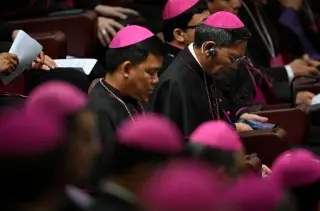
The interim report of the synod of bishops' synod on synodality has sparked debate and speculation about the direction of the Catholic Church. The removal of the term "LGBTQ" from the document and the cautious language regarding women's ordination have disappointed some, while others see it as reflecting the majority's views. The report also includes proposals for structural reforms that have been previously rejected. The synod is seen as a platform for shaping the conversation on progressive reform within the Church, with some advocating for a pastoral approach that prioritizes practice over doctrine. However, concerns have been raised about the focus on issues primarily relevant to affluent countries, rather than addressing the needs of the marginalized and persecuted. The synod's success or failure will be measured against Pope Francis' vision of synodality as a means to evangelize and serve the poor.
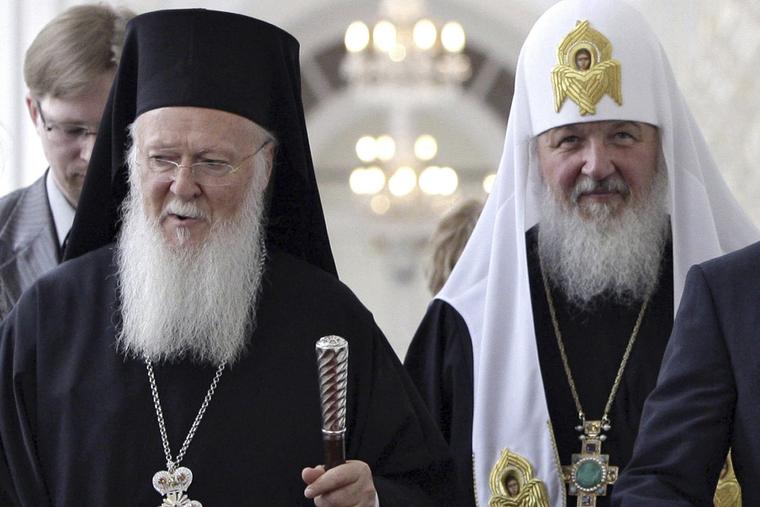
The Synod on Synodality may not provide a way forward for the Christian world, which is currently experiencing one of the greatest crises of synodality it has ever faced. Recent events, such as the Anglican Communion's rejection of the Archbishop of Canterbury's leadership due to the acceptance of homosexuality and the joint Catholic-Orthodox meeting in Alexandria, show that synodality has not preserved communion. The Christian world is tearing itself apart, shredding communion, stifling mission, and discouraging participation.
Lay leaders share their thoughts on the working document for the upcoming Synod of Bishops in October, which proposes questions around three priority issues and gets into controversial matters such as lay governance, women’s diaconate, and priestly celibacy. The document describes “the characteristic signs of a synodal Church” and highlights “conversation in the Spirit” as a way of enacting this synodality. The leaders express surprise at the centrality of synodality to Catholic ecclesiology and the use of the method of “conversation in the Spirit.”