Rising Maryland trainer Brittany Russell sends undefeated Taj Mahal to the 151st Preakness at Laurel Park, aiming to become the first female trainer to win the Grade 1 race. Taj Mahal earned an automatic berth via the Federico Tesio Stakes, and Russell emphasizes steady day-to-day work as she chases a historic milestone for the Mid-Atlantic.
After the draw for the 2026 Preakness at Laurel Park, Iron Honor is the 9-2 favorite with Incredibolt at 5-1 and Ocelli at 6-1; Taj Mahal sits at 5-1 among favorites, but Demling has Taj Mahal not hitting the board, instead backing Iron Honor and Incredibolt and highlighting an epic longshot with a real chance to win, with full picks available on SportsLine.
A new Bollywood film, The Taj Story, promotes the long-standing claim that the Taj Mahal was originally a Hindu structure rather than a Mughal tomb, reviving debunked theories and stoking sectarian tensions. Critics say the movie rehashes fringe ideas, blurs fact and fiction, and serves nationalist narratives. The piece traces origins to P. N. Oak, notes repeated court dismissals of the claims, and highlights how the controversy has entered mainstream discourse online, even as historians and the Archaeological Survey of India push back.
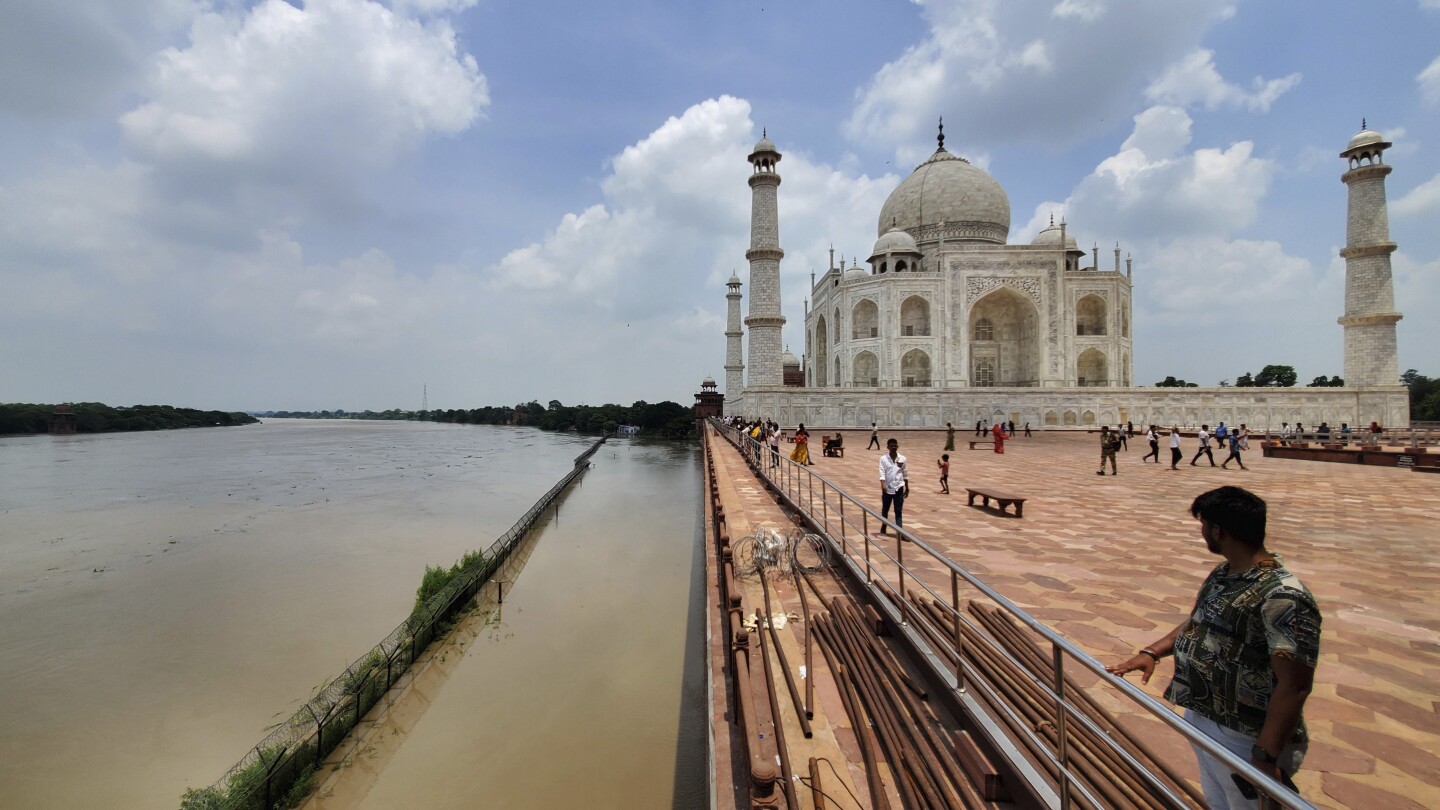
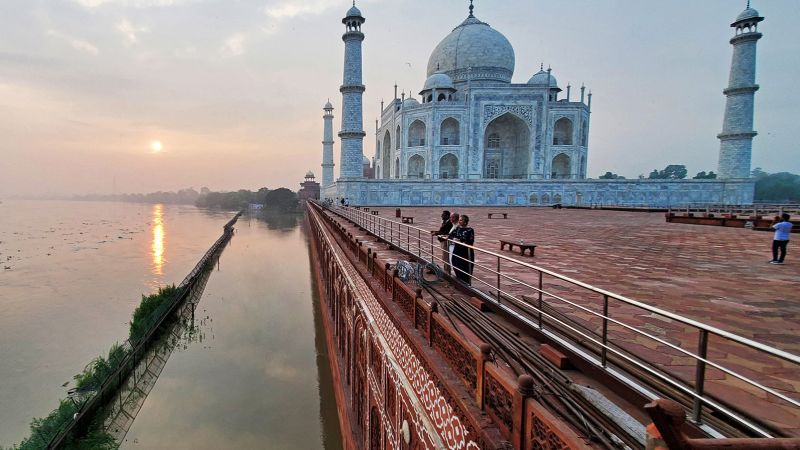
The Yamuna river in India, swollen by monsoon rains, has flooded parts of Delhi and is now lapping at the walls of the iconic Taj Mahal in Agra. This is the first time in almost 50 years that the river's waters have touched the outer walls of the 17th-century monument. However, officials from the Archaeological Survey of India (ASI) have reassured the public that the Taj Mahal is not under threat, as its design prevents water from entering the main mausoleum even during high floods. The flooding is part of a wider pattern of extreme weather events in India, which experts attribute to climate change.
The Yamuna river in India has risen to the outer walls of the Taj Mahal and submerged nearby gardens due to heavy monsoon rains. The flooding comes as severe floods have killed at least 100 people in northern India, causing destruction and landslides. While the red sandstone walls of the Taj Mahal are surrounded by muddy water, the monument itself remains untouched. Some low-lying houses near the monument have been flooded, leading officials to relocate residents to safer areas.
Devastating floods in northern India have reached the iconic Taj Mahal, with floodwaters from the Yamuna River lapping at the compound walls and submerging a nearby garden. While floods are common during the monsoon season, experts warn that climate change is increasing their frequency and severity. The Yamuna River has reached its highest level on record, prompting mass evacuations and causing dozens of deaths. India, one of the countries worst affected by the climate crisis, faces ongoing risks of flooding due to heavy rainfall and water releases from barrages. The Taj Mahal, already facing pollution and deterioration, is now at risk from extreme weather events. Other World Heritage sites, such as ancient Buddhist cave murals in China and cultural heritage sites in South Korea, are also under threat from climate change-induced floods and erosion.