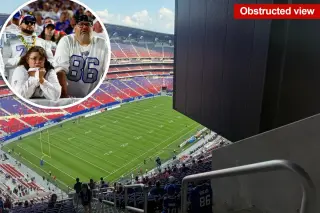
Buffalo Bills fans are voicing frustration with the new $2.2 billion Highmark Stadium, citing obstructed sightlines and small video boards despite $850 million in taxpayer funding; the Blue & Red practice drew a record 51,807 attendees.
Chicago ends its city-run grocery program after Save A Lot terminated its licensing agreement with Yellow Banana, leading to seven stores on the South and West Sides closing. Critics say taxpayer-funded grocery schemes ignore market realities and fail to fix food deserts, while experts urge the city to reduce barriers for private retailers and focus on permitting, taxes, and labor costs instead of subsidies.
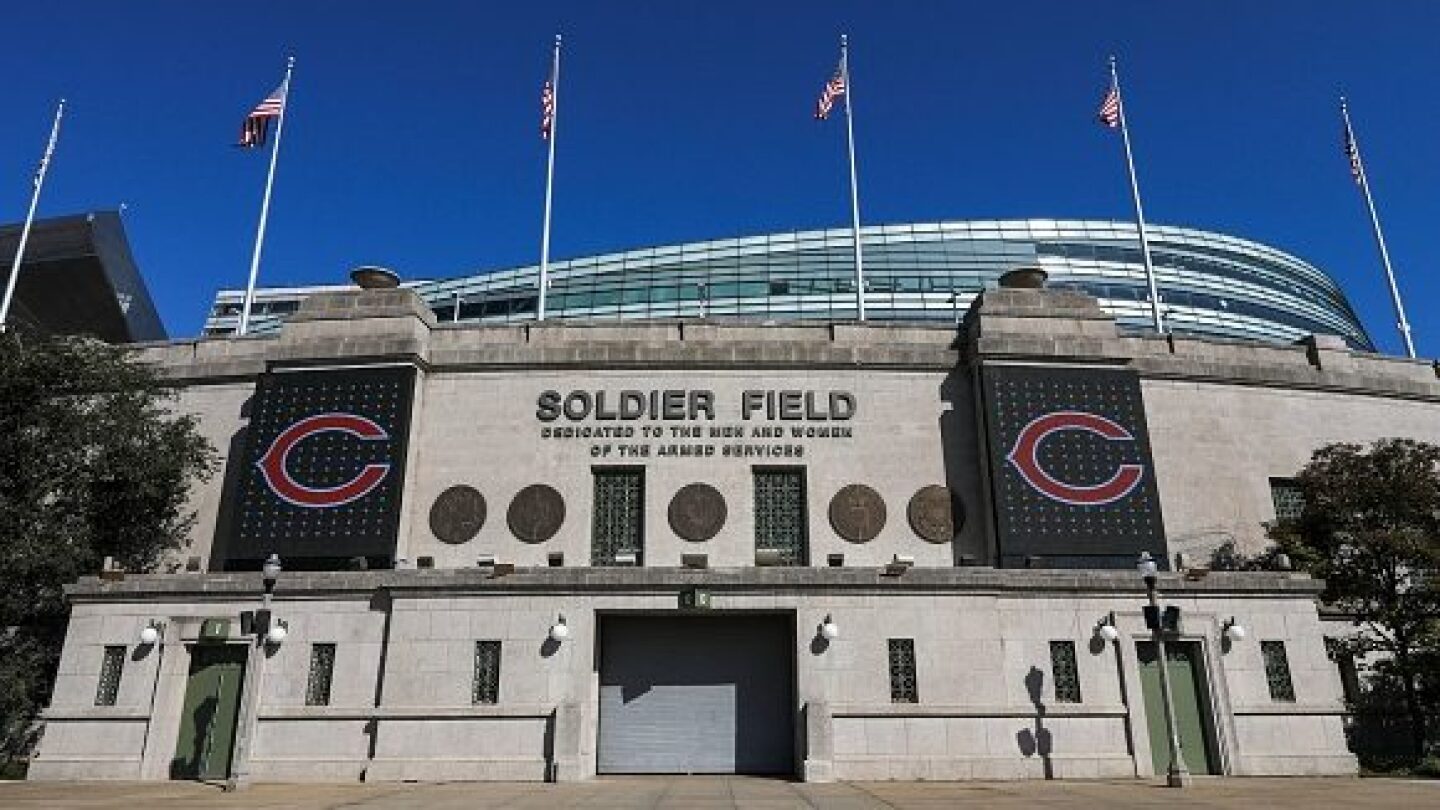
Chicago Mayor Rahm Emanuel refused FIFA's World Cup 2026 terms, insisting the city should not bear a $50–$100 million expense like a dome over Soldier Field or other taxpayer risks; the dome clause and FIFA's revenue model became the decisive 'straw' that led Chicago to withdraw from hosting discussions, with Emanuel arguing the deal would saddle residents with costs while FIFA reaped the rewards, and stressing he wouldn't use taxpayer dollars to subsidize the event.
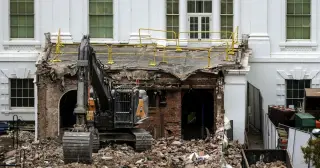
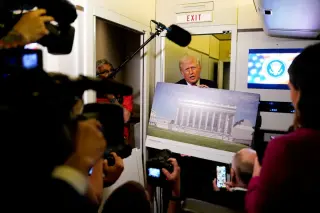
Republicans’ reconciliation bill adds a $1 billion taxpayer-funded security package linked to the White House East Wing ballroom project, reversing Trump’s claim the ballroom would be privately funded; Democrats plan to strip the provision, while supporters argue the funding is needed for Secret Service protection amid ongoing legal challenges and security concerns.
Senate Republicans, led by Lindsey Graham, propose using $400 million in taxpayer funds to build a White House ballroom, arguing security needs after the White House Correspondents’ Dinner shooting. Rand Paul and Lauren Boebert are pushing alternatives that minimize or avoid new public funds, while Democrats oppose funding from taxpayers. The White House supports the project as a secure facility, and a lawsuit by the National Trust to halt construction continues.
The National Endowment for the Humanities' spending plan reserves $2 million in special initiative funds and $13 million in matching funds for President Trump's proposed Independence Arch in Arlington, Virginia, signaling taxpayer support for the project even as total costs and private funding details remain unclear. The arch, modeled after the Arc de Triomphe and meant to commemorate the 250th anniversary, would sit along a flight path to Reagan National Airport, with potential private contributions from leftover White House ballroom funds.
The Department of Energy has terminated its $4.9 billion loan guarantee for the Grain Belt Express project, citing financial concerns and a review of federal support for energy projects, as part of a broader effort to ensure responsible use of taxpayer dollars and focus on energy expansion initiatives.
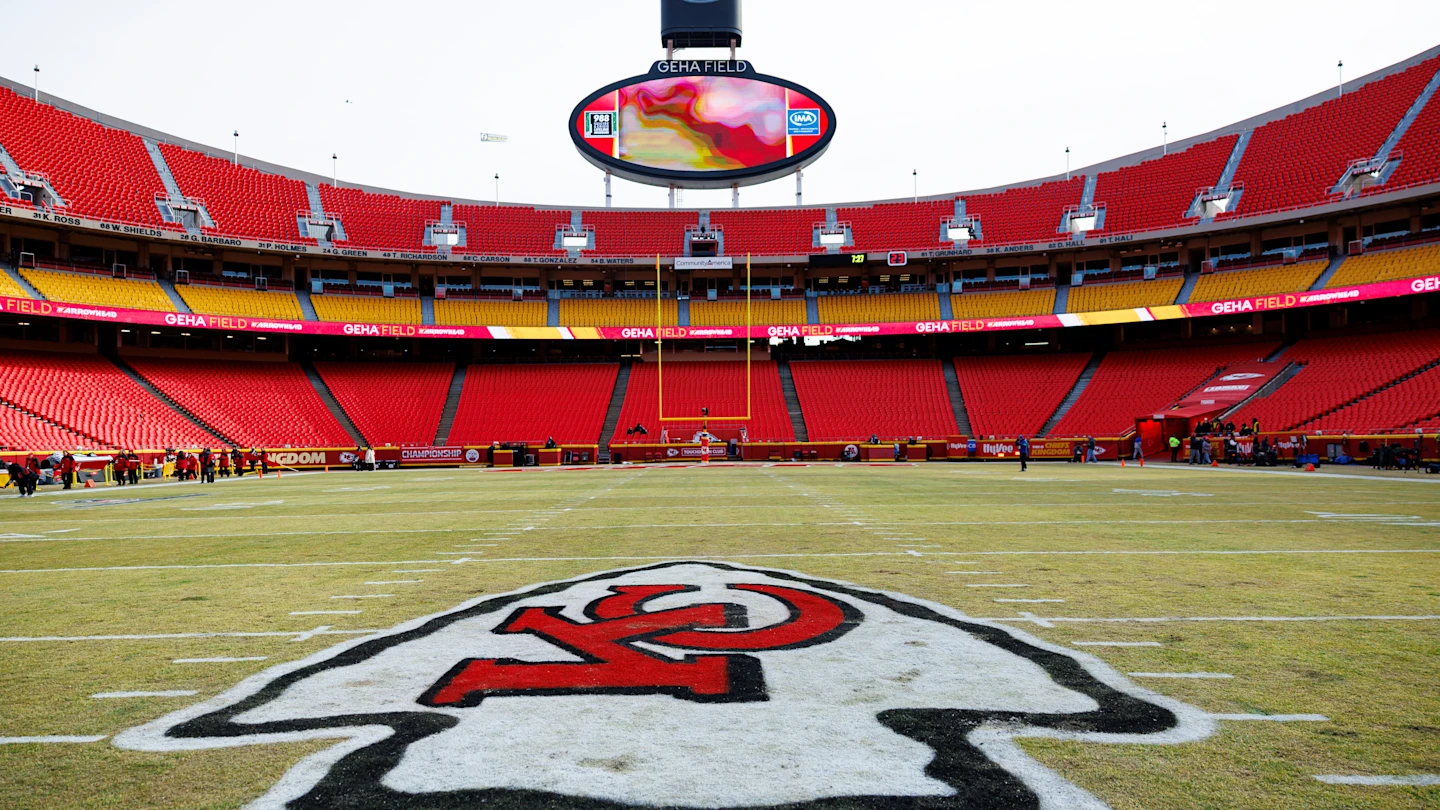
The Kansas City Chiefs are planning a new stadium before 2032, funded largely by taxpayer dollars from Kansas and Missouri, as both states compete to keep the team and the Royals in their region, raising concerns about public costs and community impact.
The Chicago Bears have changed their stadium plans, now aiming to build a stadium in the city of Chicago with taxpayer funding and public ownership, contributing $2 billion towards the project. This shift comes after previously considering a move to the suburbs. The team's history in the city dates back almost a century, and they hope the new stadium will bring economic benefits and create jobs.
The debate over public financing for sports stadiums continues as the Oakland A's seek to move to Las Vegas with the help of $380 million in taxpayer funding, despite criticism of the financial return on such investments. Critics argue that publicly financed stadiums often fail to generate significant revenue and can burden taxpayers for years, as seen in examples like the Kingdome and Meadowlands complex. Opponents in Nevada, including the Nevada State Education Association, are challenging the constitutionality of the A's stadium project and advocating for a voter initiative, while supporters like Jorge Leon continue to push for alternative solutions to keep the team in Oakland.
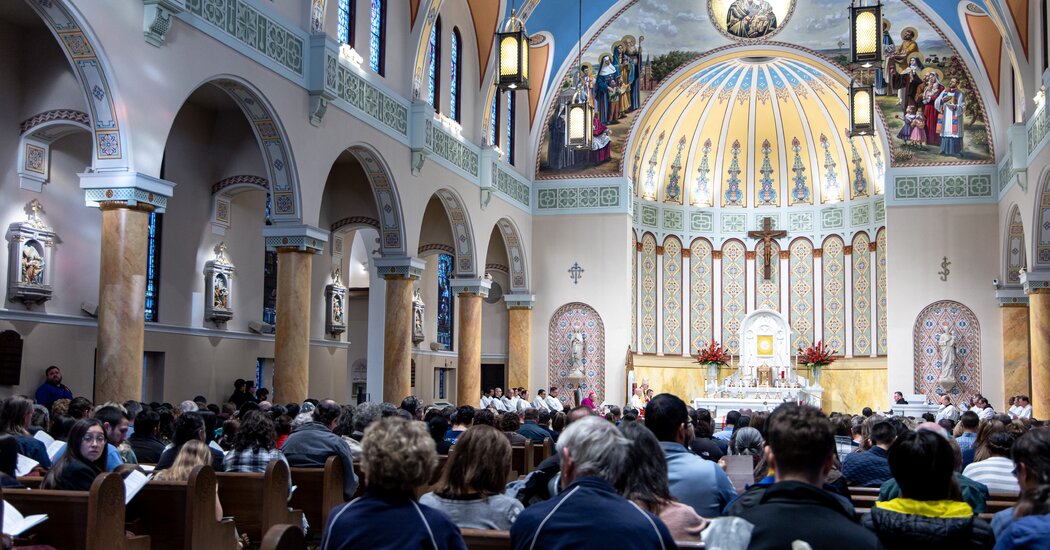
Oklahoma has approved the nation's first religious charter school, St. Isidore of Seville Catholic Virtual School, which would offer online, Roman Catholic instruction funded by taxpayers. The decision is expected to face a legal battle over whether taxpayer dollars can directly fund religious schools. The approval comes amid a broader conservative push to allow taxpayer dollars to go toward religious schools, including in the form of universal school vouchers. The move has been bolstered by recent rulings by the U.S. Supreme Court, which has increasingly signaled its support for directing taxpayer money to religious schools.