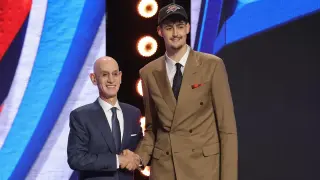
The Pacers, led by Kevin Pritchard, chose to trade for Ivica Zubac to remain competitive after missing out on a top lottery pick, with owner Mr. Simon watching the lottery results and feeling the stress of the high-stakes night.
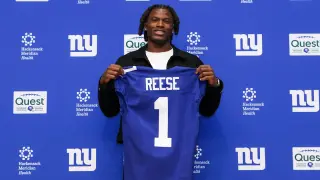
The 2026 NFL Draft showcased a broad focus on upgrading the line of scrimmage and the secondary, with teams surrounding young quarterbacks with size and playmakers while boosting defensive depth. Most franchises prioritized offensive/defensive line talent, cornerbacks, and pass rush to build longer-term balance, and several squads emphasized competition along the roster to support their signal-callers. Notable themes included the Cardinals planning around a future quarterback, Ravens adding up-front talent, Falcons strengthening the secondary, and the Eagles refreshing their receiver corps with Makai Lemon amid a shifting roster.
Miami Dolphins GM Jon-Eric Sullivan and coach Jeff Hafley kicked off their first draft with a clear blueprint: prioritize players with elite physical traits and shore up the trenches. They used selections earlier than consensus rankings—Kadyn Proctor at 12, Will Kacmarek at 87, Caleb Douglas at 75—and added Chris Bell later as a high-potential athlete, signaling a willingness to gamble on upside. The focus is on establishing the offensive and defensive lines first, then filling out receiver depth, linebackers, and special-teams in later rounds, a plan likely influenced by Sullivan’s Packers background.
The first wave of 2026 NFL free agency reshaped every team, featuring six quarterback moves and a broad spectrum of approaches—from rebuilds (Arizona, Miami) to draft-focused rosters (Baltimore) and big-splash signings (Chiefs, Bills—among others)—as clubs shore up defense, the offensive line, and depth while unsigned stars linger ahead of the draft and training camp.
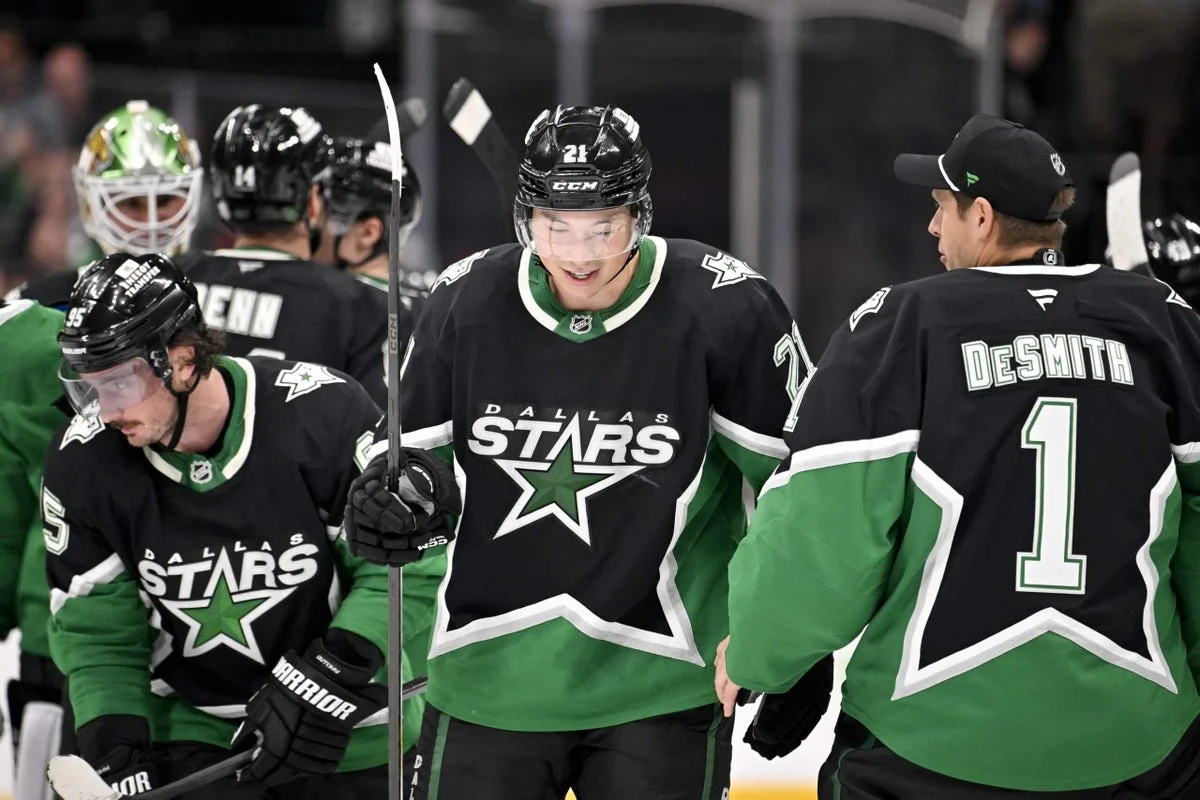
A senior NHL writer weighs whether seven teams — Vancouver Canucks, Buffalo Sabres, Colorado Avalanche, Dallas Stars, Minnesota Wild, St. Louis Blues, and Edmonton Oilers — should pull off blockbuster moves at the trade deadline. For each, the piece presents a split view: arguments for bold, upgrade-focused moves (e.g., moving Vancouver’s Elias Pettersson, Sabres pursuing rentals like Robert Thomas, Blues leveraging a leadership transition, Edmonton chasing a true goalie upgrade) alongside cautionary notes about fit, cap space, or timing. It also flags the Central Division trio as having already made impactful moves but still capable of limited, strategic adds. Overall, the article toys with the tension between seizing a playoff-opening window and avoiding overpaying, acknowledging many teams will likely stay cautious even as it entertains bigger swings.
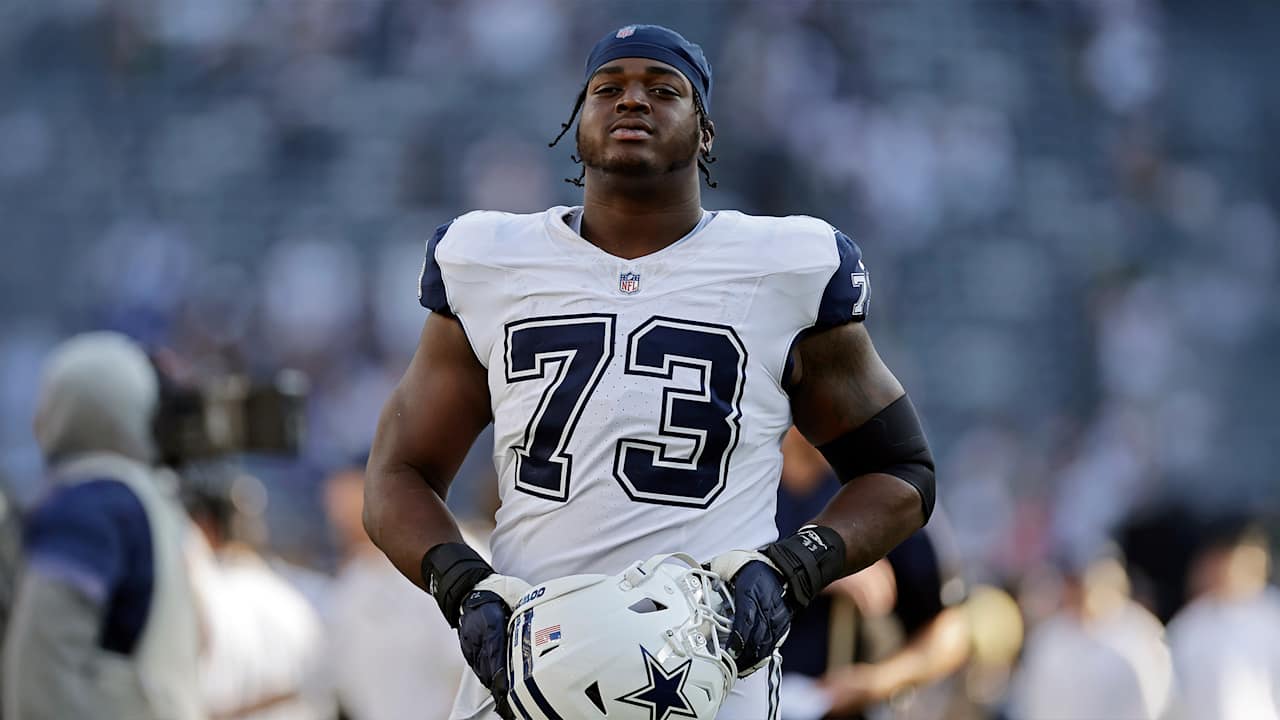
Tyler Smith, who has played both guard and tackle for the Dallas Cowboys, is seeking clarity on whether he will be moved to a full-time left tackle position in the upcoming season, as he discusses his future role with head coach Brian Schottenheimer, emphasizing the importance of comfort and team success.
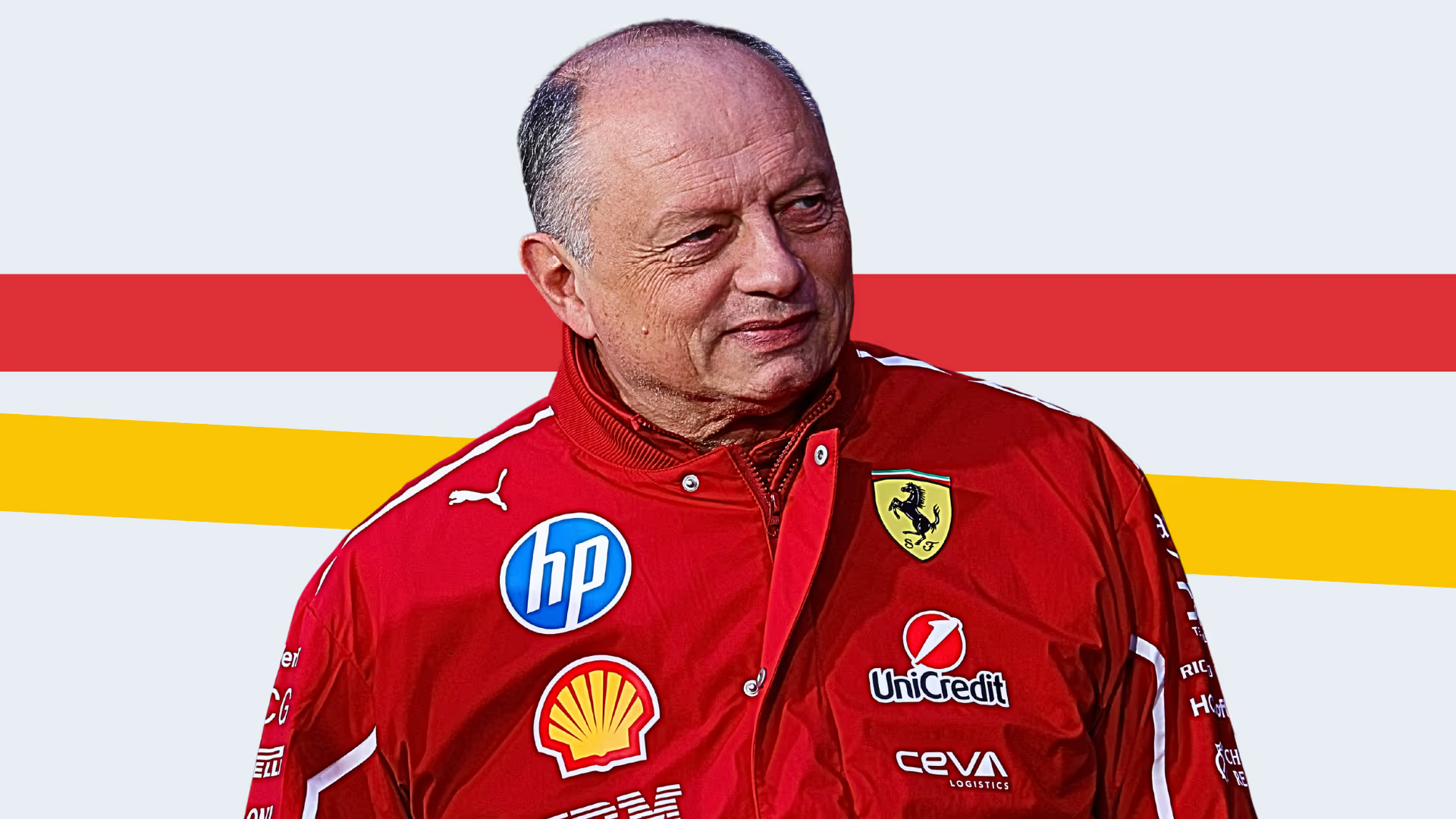
Ferrari shifted their focus early to the 2026 F1 chassis and power unit regulations, abandoning their 2025 car to prepare for a competitive leap in 2026, with their new car's performance to be tested in upcoming shakedown and testing sessions.
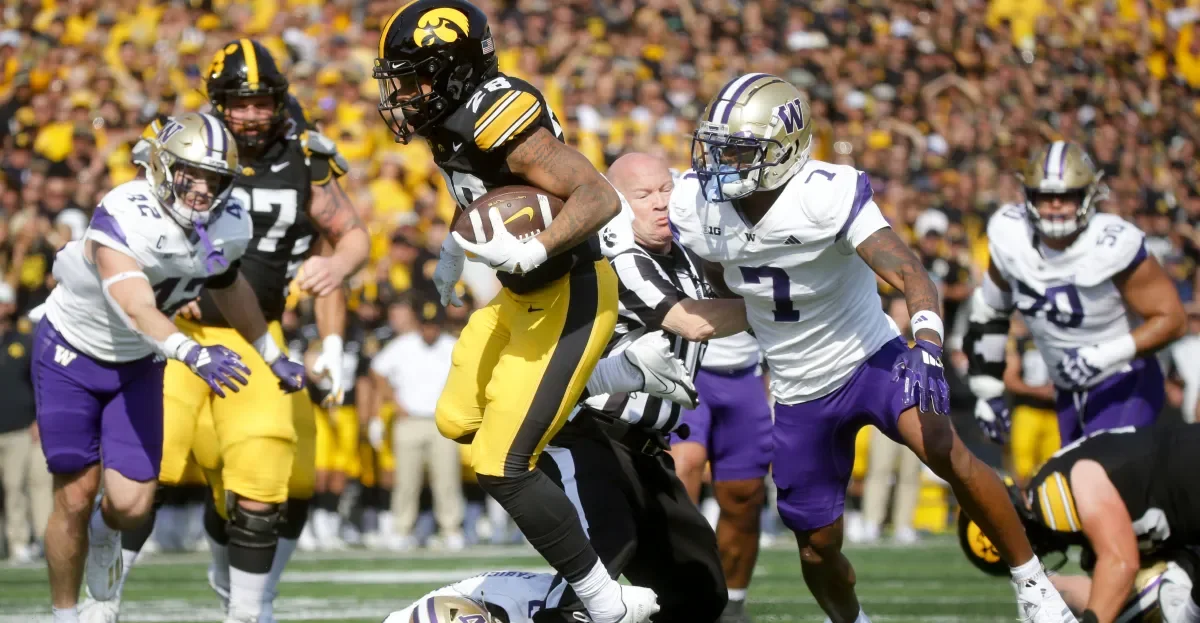
The article provides an in-depth analysis of Iowa football's 2025 roster and strategies, highlighting their focus on a strong run game, conservative defense, and challenges in passing efficiency, with detailed breakdowns of player performances and tactical approaches.
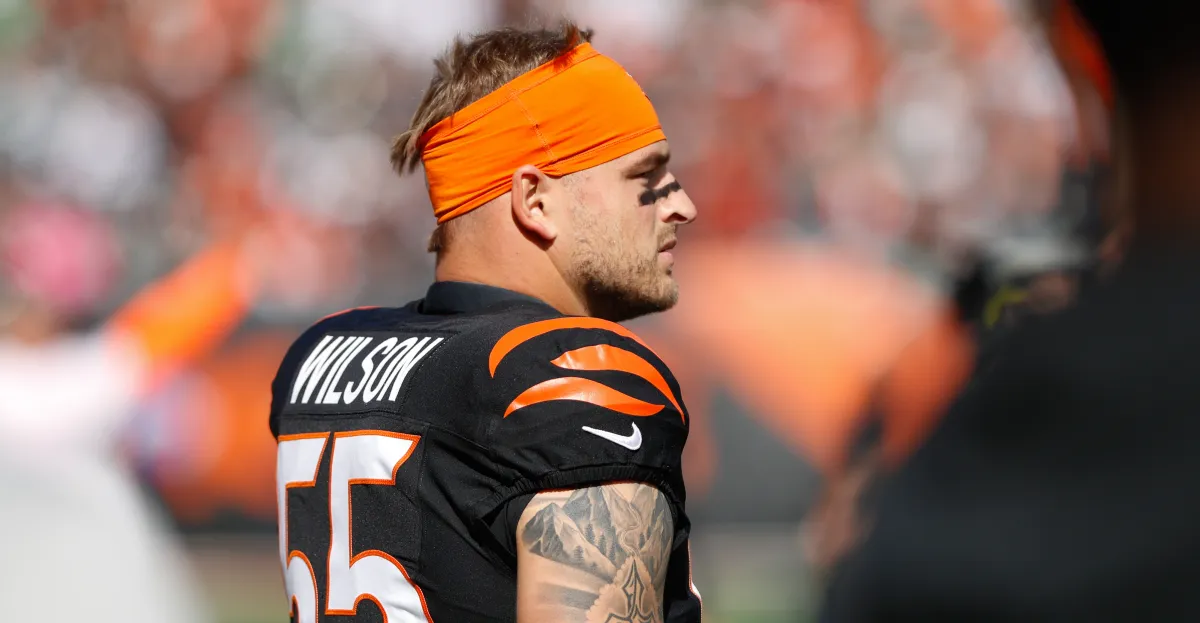
The Cincinnati Bengals are focusing on a youth movement at linebacker, with Logan Wilson expressing gratitude but also highlighting the leadership potential of new players, as head coach Zac Taylor emphasizes development despite recent losses and scoring challenges. The team is also dealing with player health issues and strategic decisions during their bye week.
Detroit Lions chose not to make any trades at the NFL deadline, instead focusing on strengthening their current roster with practice squad additions and trusting their existing players, as coach Dan Campbell emphasizes readiness and internal development over high-cost trades.
The Jets made Sauce Gardner the highest-paid cornerback with a contract designed to be easily tradeable, reflecting the NFL's business-oriented approach where players are viewed as replaceable parts of a team machine, capable of being traded for value if the circumstances align.
The Detroit Lions did not make any moves at the NFL trade deadline, prompting discussion about whether this was a strategic choice or a missed opportunity, and raising questions about their offensive line and coaching decisions. The team’s inaction has sparked debate on their overall strategy and future direction, especially regarding offensive play-calling and coordination. Despite concerns, some optimism remains about their upcoming matchup against the Washington Commanders.
The New England Patriots chose not to make significant trades at the NFL trade deadline, prioritizing long-term team building over immediate success, despite being in a strong position in the AFC East and facing a potentially advantageous playoff window. This cautious approach contrasts with other teams that made aggressive moves, and while it aligns with their strategic goals, it raises questions about missed opportunities for immediate improvements.
As the NFL trade deadline approaches, the Patriots have traded veterans and are looking to bolster their roster by targeting key positions such as edge rusher, running back, linebacker, cornerback, and safety to improve depth and enhance their playoff chances.
The Chicago Bulls, historically mediocre and lacking star power, have started the 2025-26 NBA season 3-0 by adopting a high-tempo, ball-movement-focused style that emphasizes pace and teamwork over individual stars. Despite their weak schedule and opponents' poor shooting, their aggressive defense and unselfish play suggest they could be a surprising contender in the regular season, though questions remain about their sustainability and true strength.