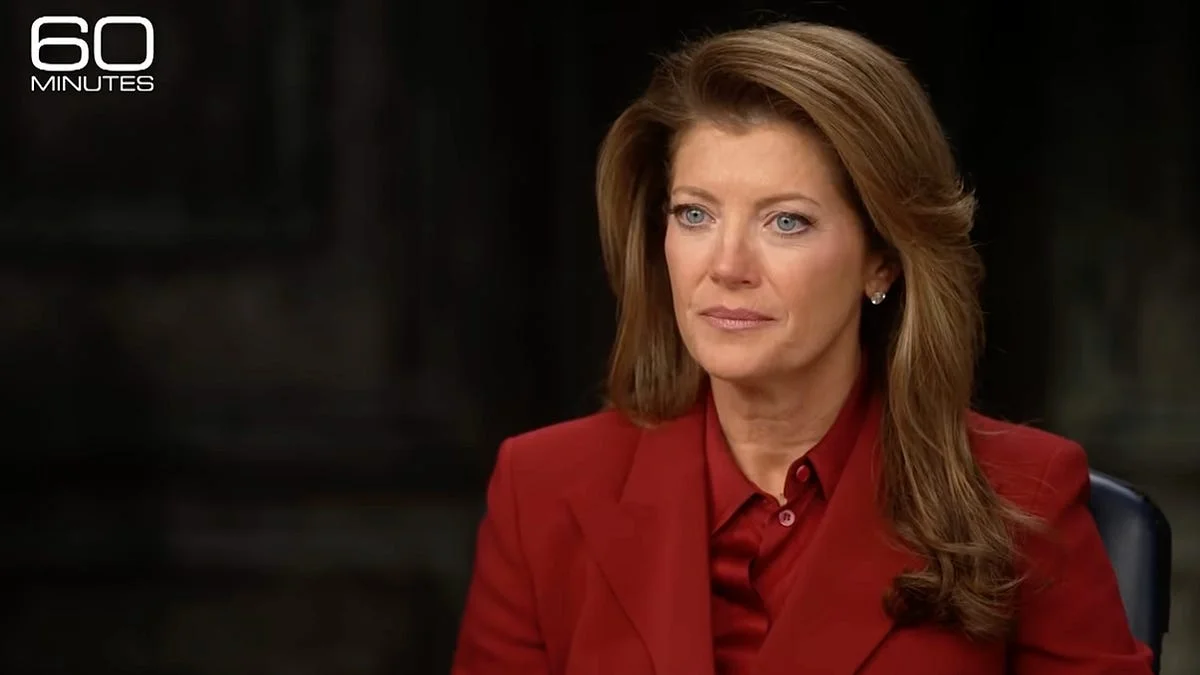
Bari Weiss’s revamped 60 Minutes premiered to abysmal ratings, averaging 7.9 million viewers and 1.6 million in the 25–54 demo—down from last season’s 10.03 million and 2.36 million—sparking concerns about the reboot’s future.
House of the Dragon Season 3 wrapped with strong numbers: the finale drew over 11 million U.S. viewers and 21 million globally in its first three days, with Season 3 averaging about 34 million global viewers per episode so far—roughly on par with Season 2, and solid enough to support a Season 4. Meanwhile, Larry David’s Life, Larry and the Pursuit of Unhappiness averaged 4 million U.S. viewers over seven episodes, ranking as the second-most-watched HBO comedy launch in the streaming era.
Tony Dokoupil’s two-week vacation led to Matt Gutman filling in as CBS Evening News anchor, delivering the program its strongest weekly audience in months (about 4.1 million in Gutman’s first week and 4.0 million for the week of June 22), raising questions about Dokoupil’s tenure after a network overhaul.
HBO's House of the Dragon Season 3 premiere drew 21.5 million global viewers in the first three days across HBO and HBO Max, an 8% decline from Season 2's 23.4 million but still strong retention; Season 2's weekly viewership had tripled ahead of the S3 launch, and new episodes will air weekly on Sundays at 9 p.m. ET/PT on HBO/HBO Max, with the finale set for August 9.
The NFL announced 13.2 million viewers watched Round 1 across all platforms, down from 13.6 million last year, a robust number for the draft but trailing 2020’s first‑round peak of 15.5 million.
The Pitt’s Season 2 finale drew a series-high 9.7 million viewers over its opening weekend, boosting the season average to 15.4 million per episode—a 50% increase from Season 1 and placing the HBO Max drama among the platform’s top-rated series.
AEW Dynamite drew 692,000 viewers on TBS last week, up 14.6% and the highest audience since August 2025, with a 0.12 rating in the 18–49 demo—the second-highest mark since the Grand Slam Mexico show—despite Winter Olympics coverage, finishing sixth in primetime. Year-over-year, total viewers rose 22.9% while the 18–49 rating fell 29.4%; the piece also notes weekly and ten-week averages around the performance.
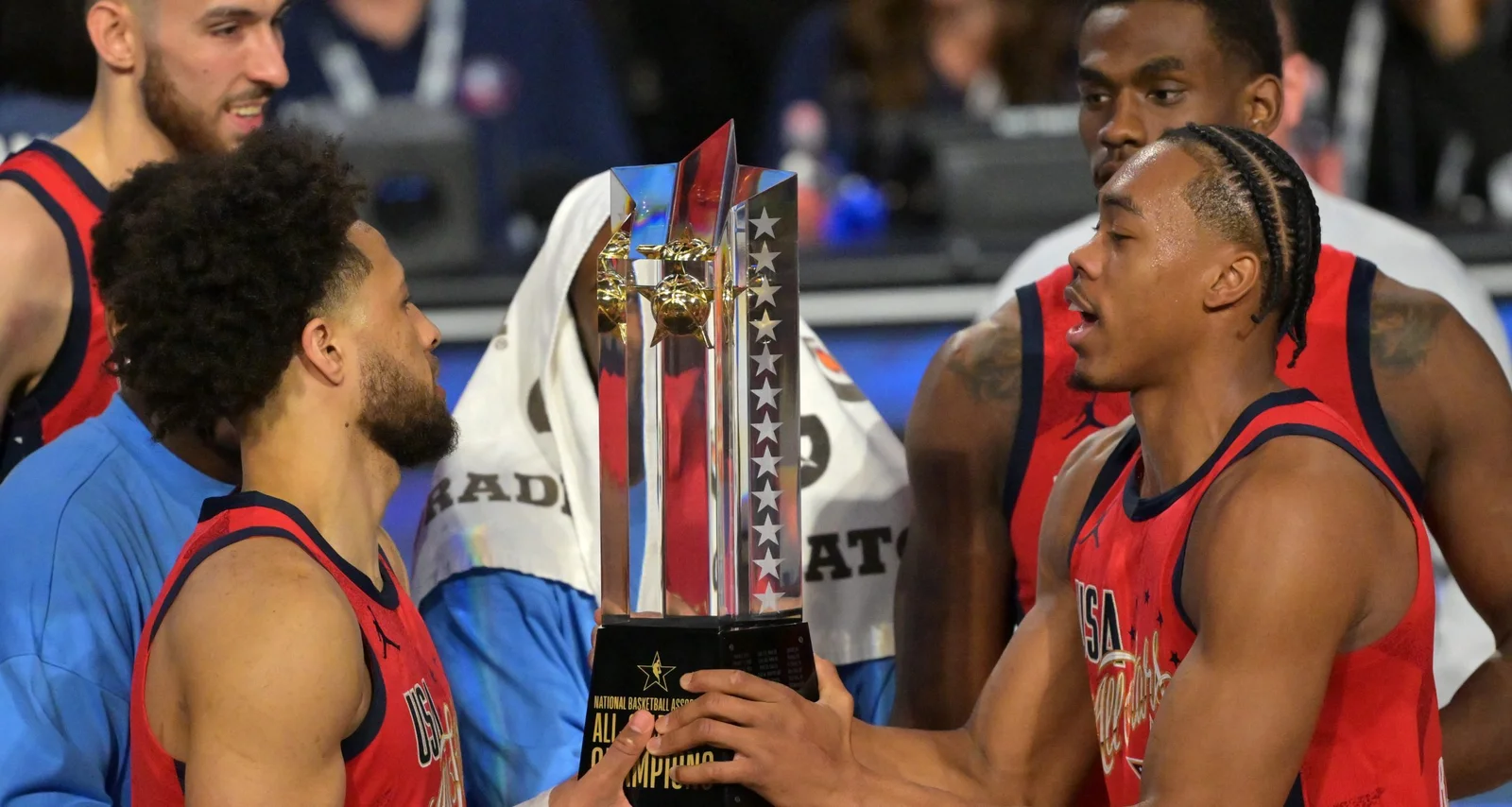
The NBA All-Star Game drew 8.8 million viewers, up 87% from last year and the best audience in 15 years, helped by a competitive USA vs. World format and NBC's scheduling after figure skating. While some critics say lead-ins inflated the numbers, the piece argues the improvement is legitimate and a win for players, the league, and fans.
The article argues the NFL should retire the Pro Bowl Games due to declining TV ratings and the move to a TV-centered, stadium-free format. With viewership sliding from 6.7 million to 4.7 million and concerns about injury risk and fan engagement, some advocate simply naming AFC/NFC rosters without a game. If the audience doesn’t rebound, the Pro Bowl Games are likely to be discontinued, potentially as a loss leader to promote flag football.
60 Minutes is reportedly set to air the controversial Bari Weiss–pulled segment about Venezuelan migrants sent to El Salvador’s CECOT prison, four weeks after its original Dec. 21 air date. Correspondent Sharyn Alfonsi blasted the delay as a political move, and although a Trump administration interview reportedly did not materialize, the piece will still air Sunday night. It faces stiff competition from a Bears–Rams NFL playoff game, a slot that historically draws massive audiences, which could dampen ratings despite online interest from the segment’s prior circulation.
The 48th Kennedy Center Honors, hosted by Donald Trump, drew a record low viewership of 3.01 million on CBS, down from 4.1 million last year, amid controversy and changes at the institution, including Trump's involvement and a name change to The Trump Kennedy Center.
The 2025 Macy’s Thanksgiving Day Parade set a record with 34.3 million viewers across NBC and Peacock, marking an 8% increase from the previous year and making it the most-watched entertainment telecast in nearly seven years, with significant growth among younger viewers.
The CONCACAF Gold Cup semifinal match between USA and Guatemala was the top telecast in key demos on Wednesday, July 2, 2025, with strong ratings on FS1, while other top shows included news and entertainment programs across various networks.
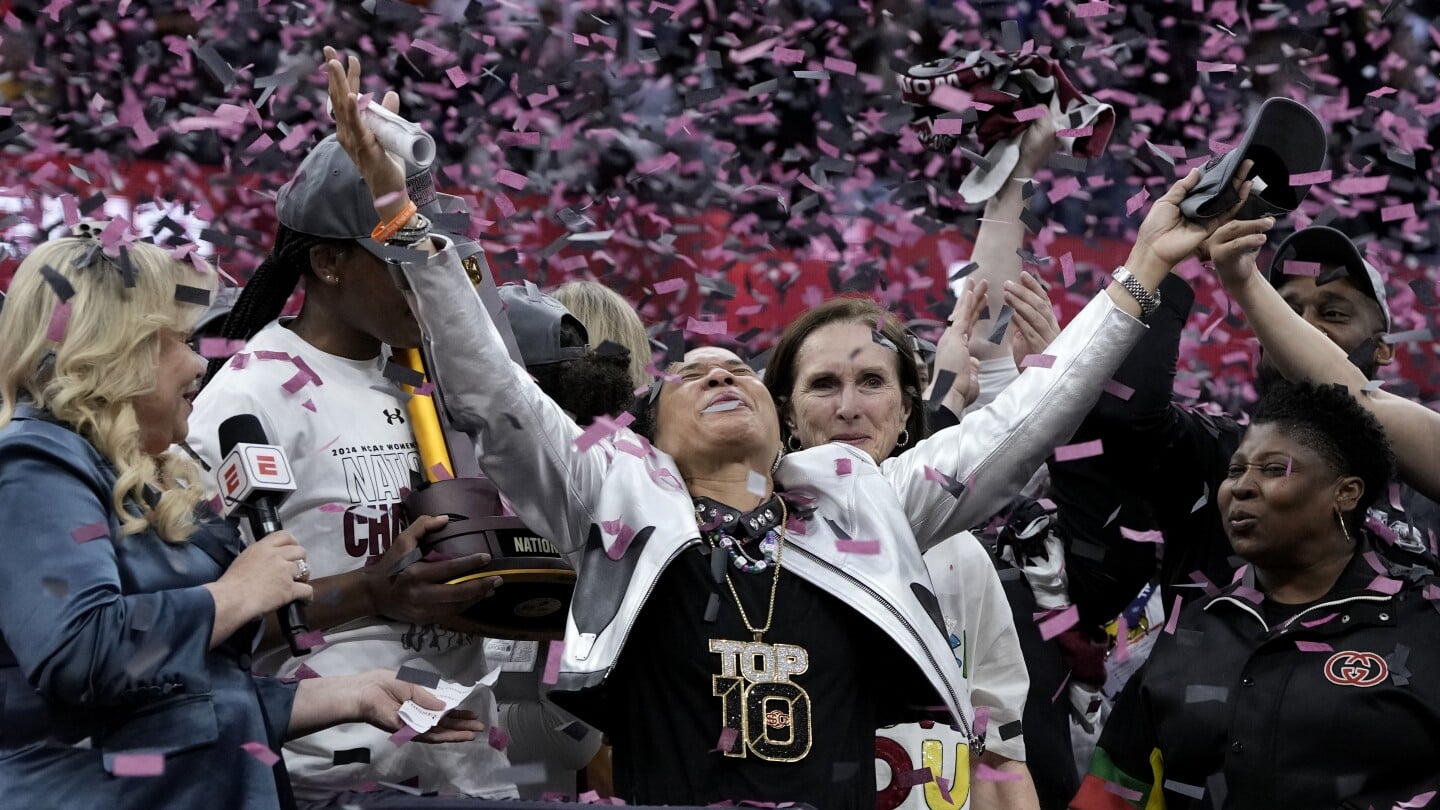
The women's NCAA championship game outdrew the men's title game for the first time, with an average of 18.9 million viewers, marking the second most-watched non-Olympic women’s sporting event on U.S. television. The audience for the women’s game peaked at 24.1 million during the final 15 minutes, and the in-home audience has steadily declined annually due to cord-cutting. The growth in viewership is attributed to the quality of the product and increased exposure, with the women's game benefiting from the rise of social media engagement and audience interest in women's sports overall.
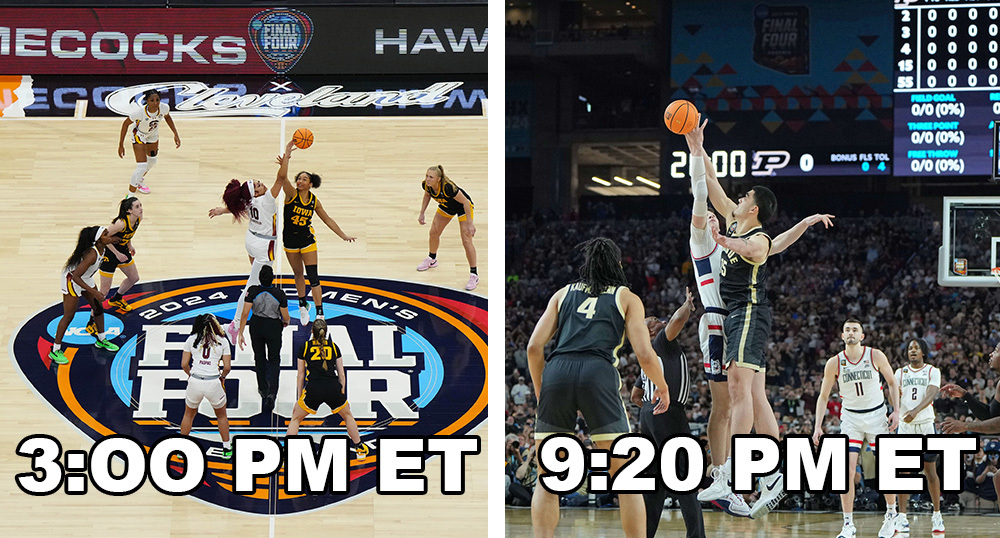
Fans and sports media have expressed dissatisfaction with the tipoff times for the men's and women's NCAA championship games, with the women's game starting at 3 p.m. ET and the men's game at 9:20 p.m. ET. While some argue for a later start time to accommodate West Coast viewers, others advocate for a time that allows for maximum viewership. The debate centers around finding a balance between accommodating different time zones and maximizing television ratings, with networks weighing the preferences of East Coast and West Coast viewers. Despite the complaints, it seems unlikely that the tipoff times will change in the near future.