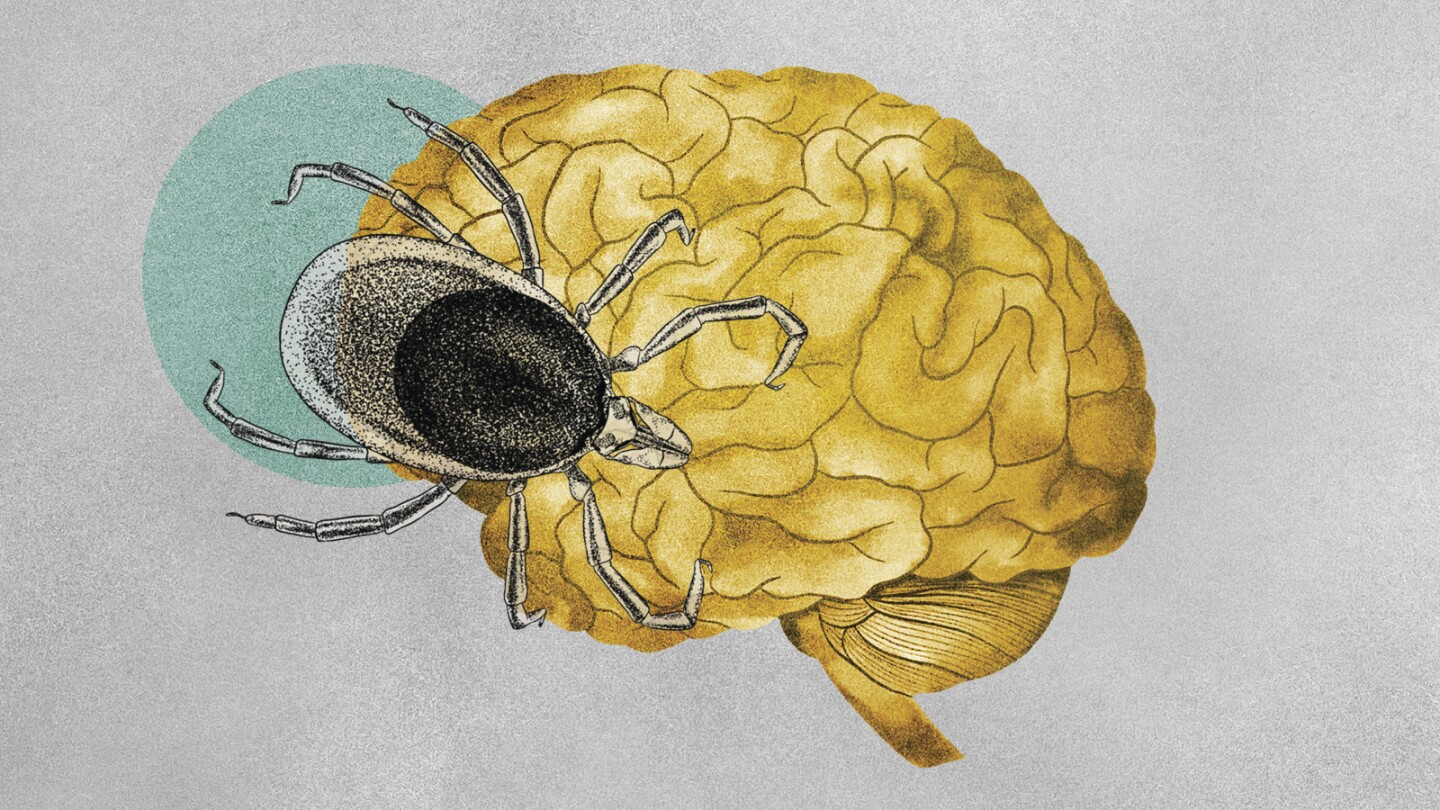
A Welsh woman contracted tick-borne encephalitis after a holiday in Greece, was placed in an induced coma for 42 days, and now lives with memory loss and seizures, taking 15–18 tablets daily; she has become less outgoing, lost jobs, and advocates vaccination and awareness since TBE is preventable but not NHS-funded in the UK, while Public Health Wales notes a very low UK risk and emphasizes tick prevention.
France has issued a travel warning due to an outbreak of tick-borne encephalitis (TBE) in some regions. Tourists and locals are being urged to be vigilant and take precautions, as TBE can lead to serious health concerns and hospitalization. The Auvergne-Rhône Alpes region, particularly Haute-Savoie and Ardèche departments, has reported the highest number of cases. TBE is transmitted through tick bites in humid wooded areas, and symptoms can range from flu-like to neurological problems. Public Health France advises protecting against tick bites, inspecting the body after outdoor activities, and wearing protective clothing. Vaccination is not yet recommended in France.
Tick-borne illnesses, including tick-borne encephalitis (TBE), are on the rise in Europe and parts of Asia, and experts believe climate change is a major factor. As temperatures increase due to global warming, ticks are becoming more active and spreading diseases. TBE, a potentially deadly disease, has quickly jumped from country to country, with cases increasing in Austria, Germany, Estonia, Latvia, and other European countries. The virus subtype varies by region, and while TBE is not always life-threatening, severe cases can lead to hospitalization and even death. The true caseload may be higher than reported due to asymptomatic or mild cases. Vaccine uptake is low in regions where the virus is new, and experts call for the development of a new vaccine offering higher protection. The growing prevalence of tick-borne diseases highlights the dangers they pose and the need for public health measures to address the issue.
Cases of tick-borne illnesses, including tick-borne encephalitis (TBE), are increasing due to climate change, according to experts. As temperatures rise and winters become milder, ticks are becoming more active and spreading diseases earlier in the year. TBE, a potentially deadly disease, has quickly spread to new regions, including the United Kingdom, as a result of global warming. The number of overwintering ticks is increasing, leading to more contact between infected ticks and humans. TBE cases have been rising in Europe and northern Asia, with an estimated 10,000 to 12,000 cases each year. The true caseload could be higher due to underreporting, and survivors of severe TBE often experience lingering neurological problems. Vaccine uptake is low in regions where the virus is new, and experts emphasize the need for a new vaccine offering higher protection against the virus. The growing prevalence of tick-borne diseases highlights the dangers posed by climate change.
Tick-borne illnesses, including tick-borne encephalitis (TBE), are becoming more prevalent due to climate change. As temperatures rise, ticks are able to survive and thrive in warmer conditions, leading to an increase in their activity and the spread of diseases. TBE, a potentially deadly disease, has quickly jumped from country to country, causing concern among public health officials. The effects of climate change on TBE are evident, with rising cases in various European countries. While there are vaccines available, their uptake is low in regions where the virus is new. The growing shadow of tick-borne diseases across Europe, Asia, and now parts of the United Kingdom highlights the dangers posed by these illnesses.