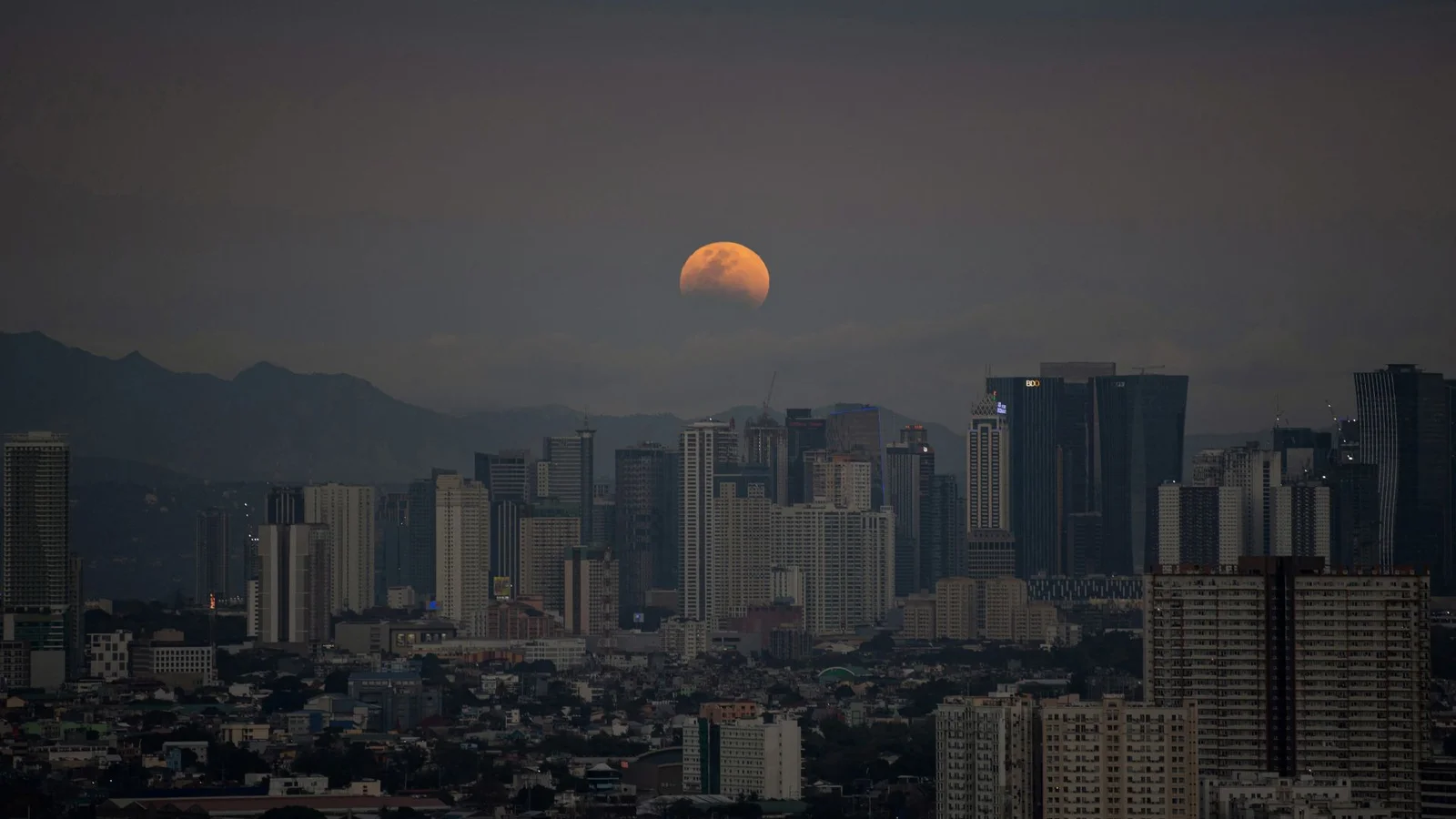
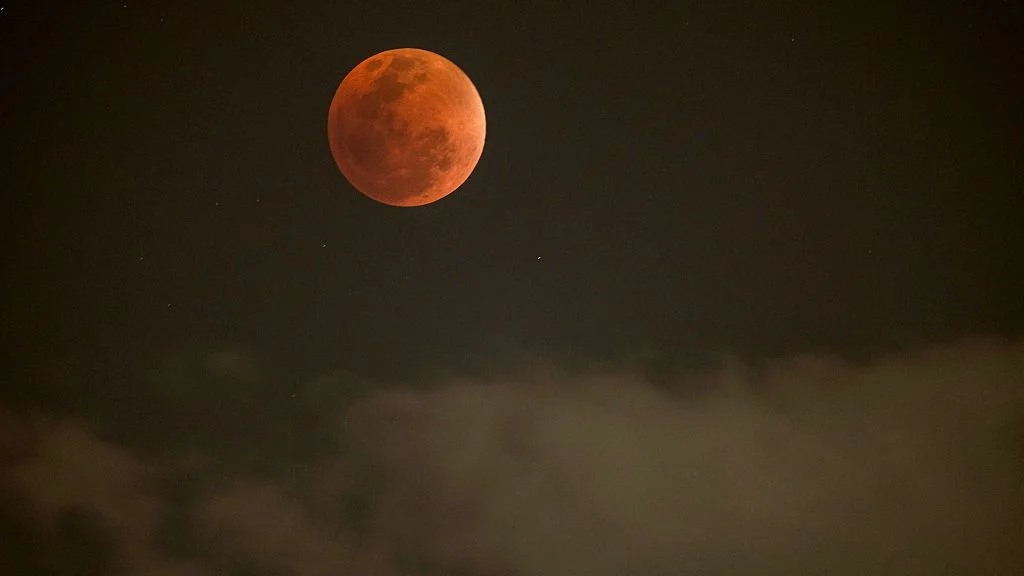
Space.com reports that the March 3, 2026 total lunar eclipse produced dramatic blood-moon visuals with totality ending but partial phases continuing, as photographers across North America, Oceania, and the Philippines captured stunning images. The article notes the Worm Moon name for March, encourages readers to follow the live blog and streams for real-time milestones, and reminds that this is the last total lunar eclipse visible over North America until 2028.
Space.com reports that the March 3, 2026 total lunar eclipse will be visible across much of the U.S. but sky conditions will vary. Best viewing prospects are in southeast New England, the Florida peninsula, the northern Rockies, Southwest deserts, Nevada, and much of California, while central and eastern states face cloudier conditions due to a stationary front and associated unsettled weather. Areas like Utah, Wyoming, Colorado, and parts of the Northern Plains to the Upper Midwest may see light rain or snow; a marine layer could also hide the Moon along the Pacific Northwest. In New York, New Jersey, Pennsylvania, and New England, clouds could move in late, potentially obscuring the eclipse depending on how fast they roll in. Totality begins at 6:03 a.m. ET and lasts 58 minutes. NOAA's sky-cover map provides a three-tier outlook (GOOD, FAIR, POOR) to help plan viewing, and local NWS updates or GOES imagery are recommended. If you miss it, the next total lunar eclipse over the U.S. won't occur until 2029, though livestreams are available for clouded-out observers.
Space.com reports that in about a week a total lunar eclipse will turn the Moon a vivid blood red, visible to billions across the Americas, Europe, Asia and Oceania (weather permitting). Totality lasts about 58 minutes, with penumbra beginning around 3:33 a.m. EST on March 3, umbra entering at 4:50 a.m. EST and totality starting at 6:04 a.m. EST; timings vary by location. The reddish hue comes from Rayleigh scattering in Earth’s atmosphere. Viewers in the US may see different phases depending on where they are, and can check local timings on TimeandDate. Telescopes can enhance the view (e.g., Celestron Inspire 100AZ). The eclipse coincides with March’s full Moon, known as the Worm Moon.