Tag

Blood Moon

All articles tagged with #blood moon

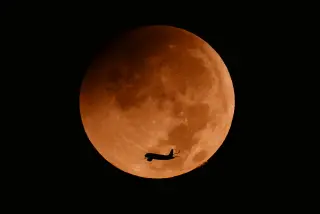
Crimson Moon Across Continents: Stunning Global Photos of the 2026 Total Lunar Eclipse
stargazing1 month ago

Crimson Moon Across Continents: Stunning Global Photos of the 2026 Total Lunar Eclipse

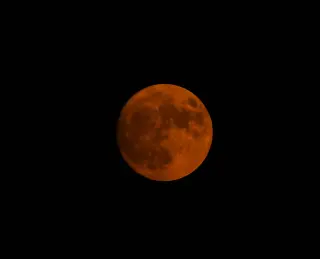
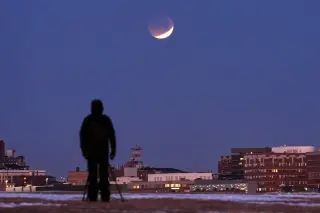
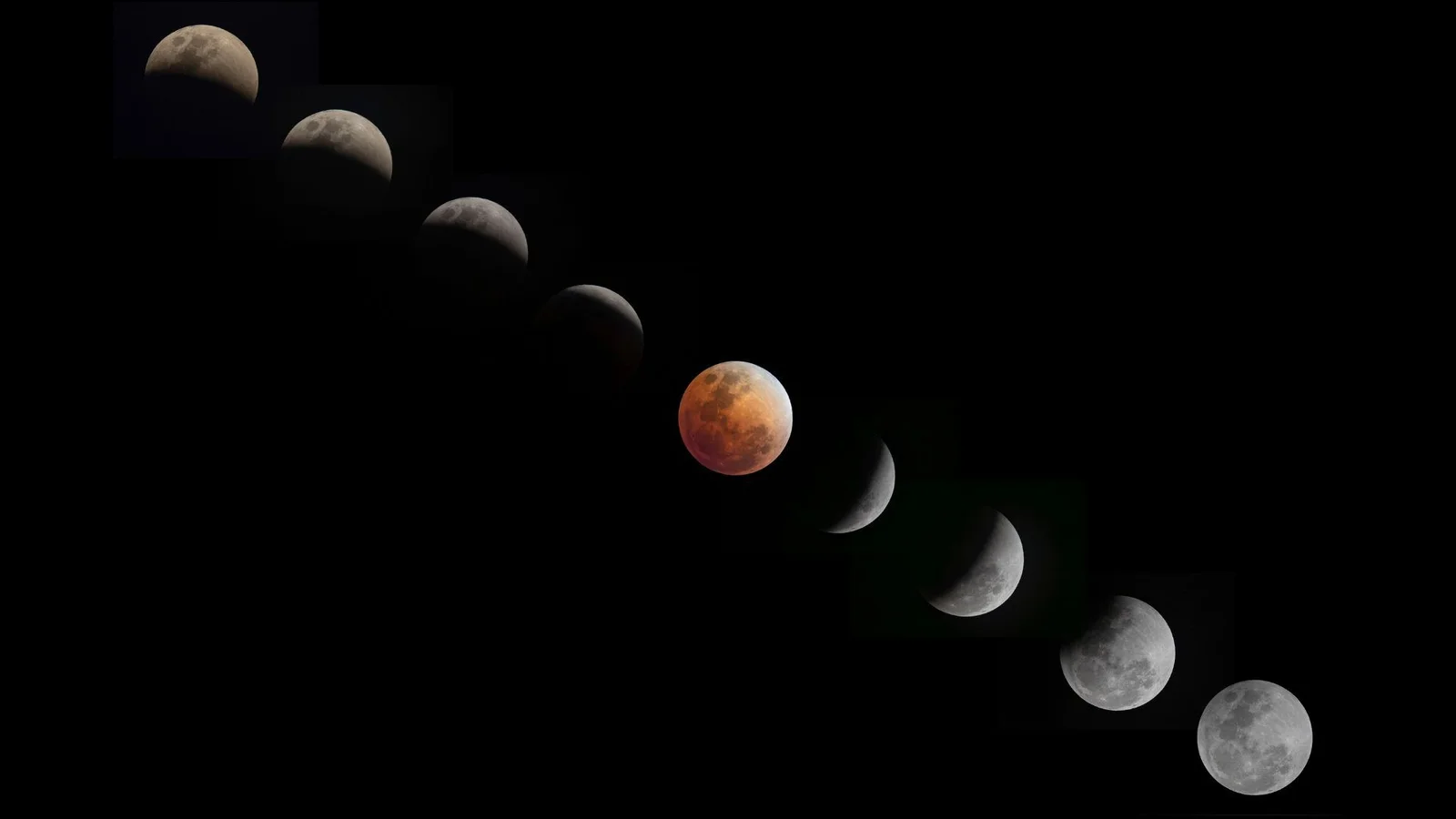
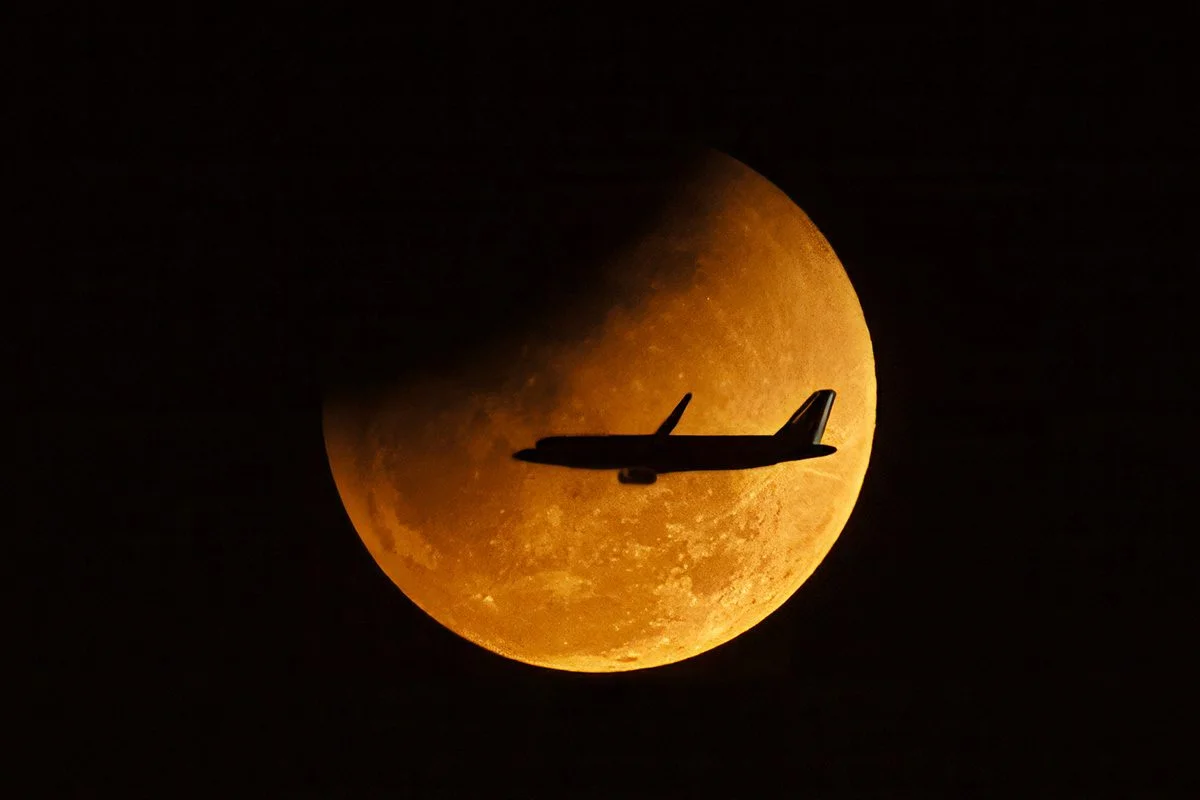
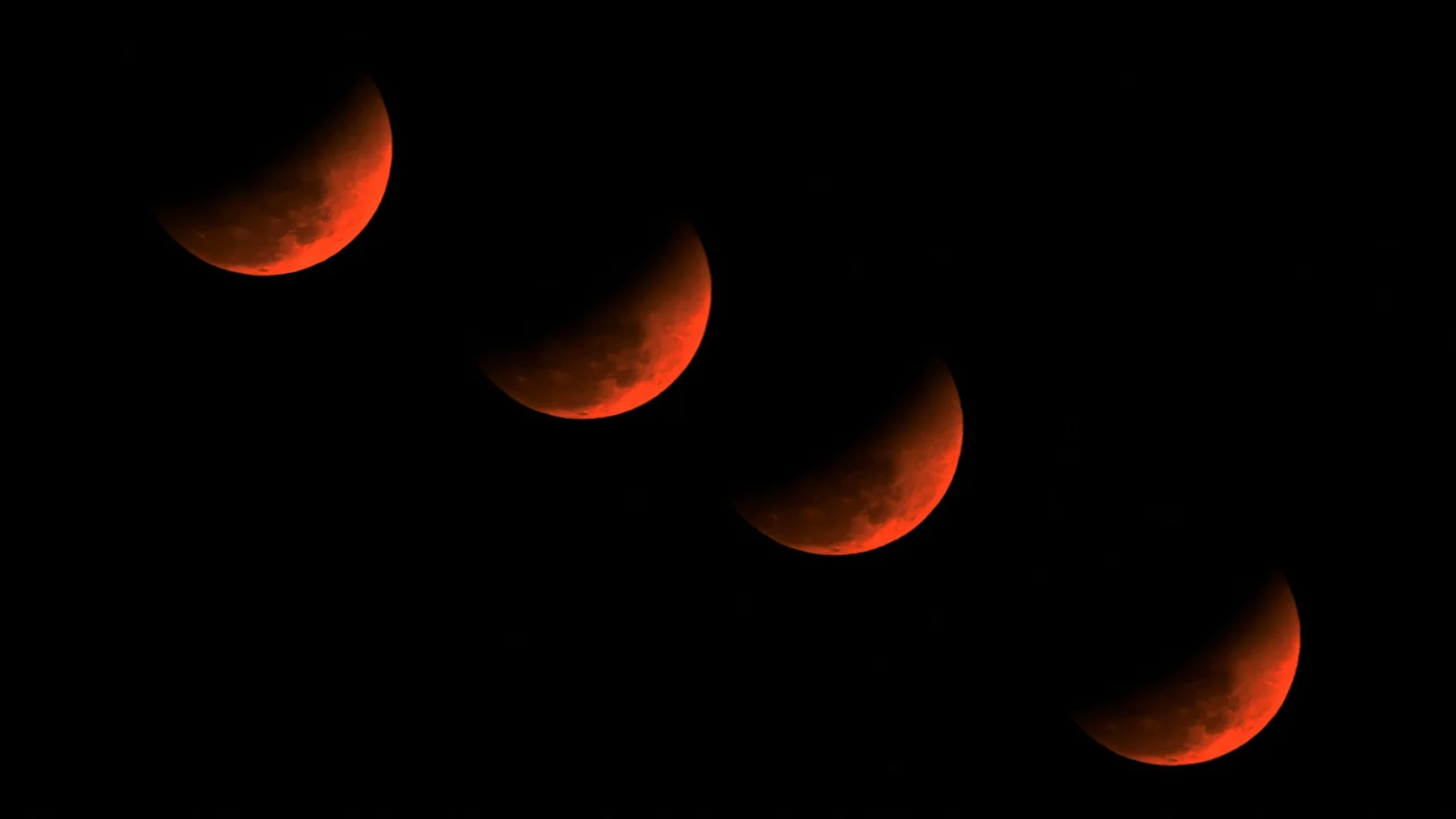
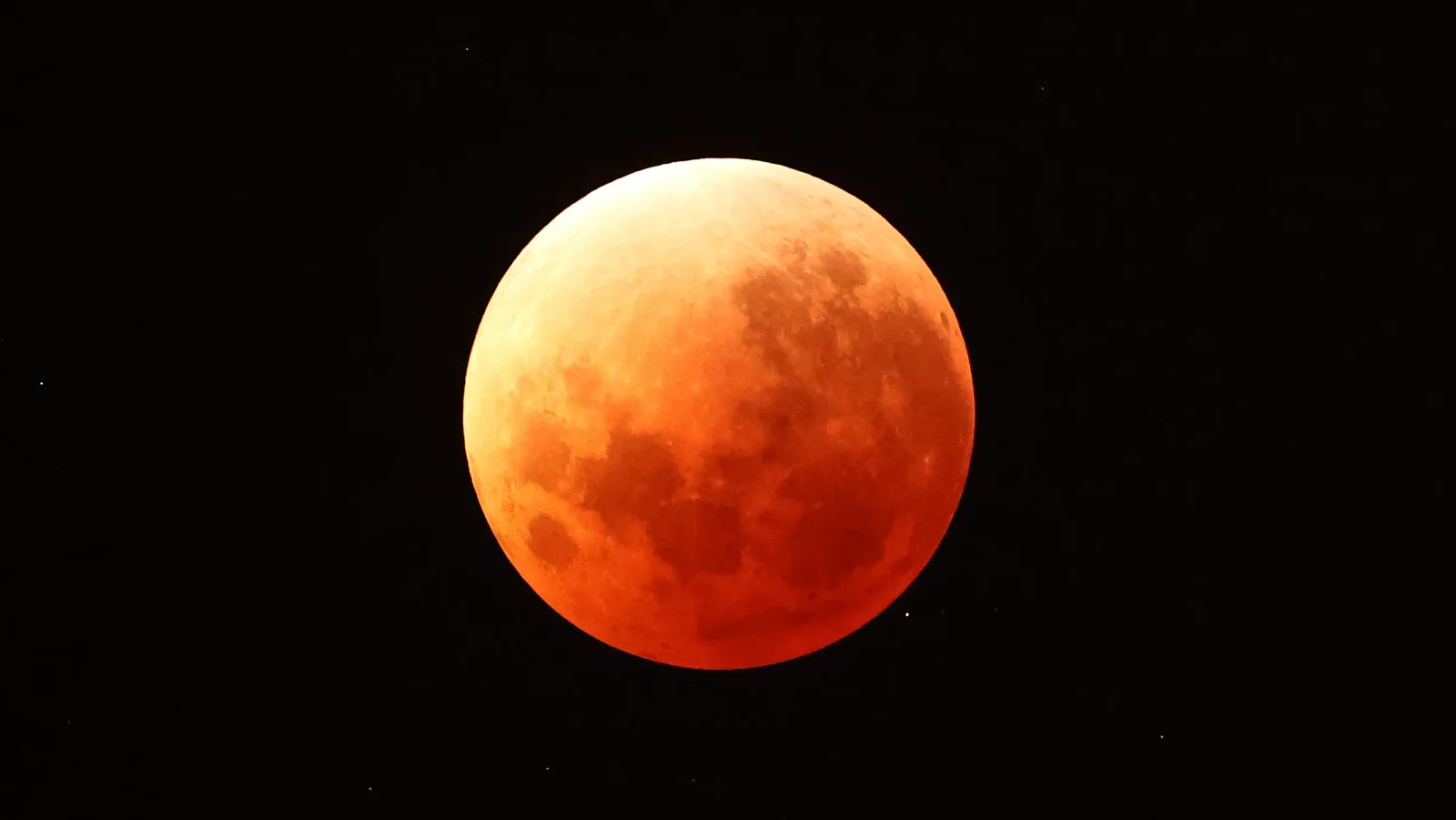
The March 3, 2026 total lunar eclipse produced a dramatic blood-red Moon visible across the Americas, Asia and Oceania as Earth’s shadow swept across the lunar disk. Space photographers worldwide captured a sprawling gallery of partial and total phases, from orange-red eclipses over city skylines to turquoise-lit edges and cloud gaps, illustrating the science of how the Moon turns red during totality and offering a global visual record of the event. The piece also points to upcoming eclipses later in the year, including a solar eclipse on Aug. 12.

Blood Moon dazzles skywatchers across continents during March 3, 2026 eclipse
science1 month ago

Blood Moon dazzles skywatchers across continents during March 3, 2026 eclipse

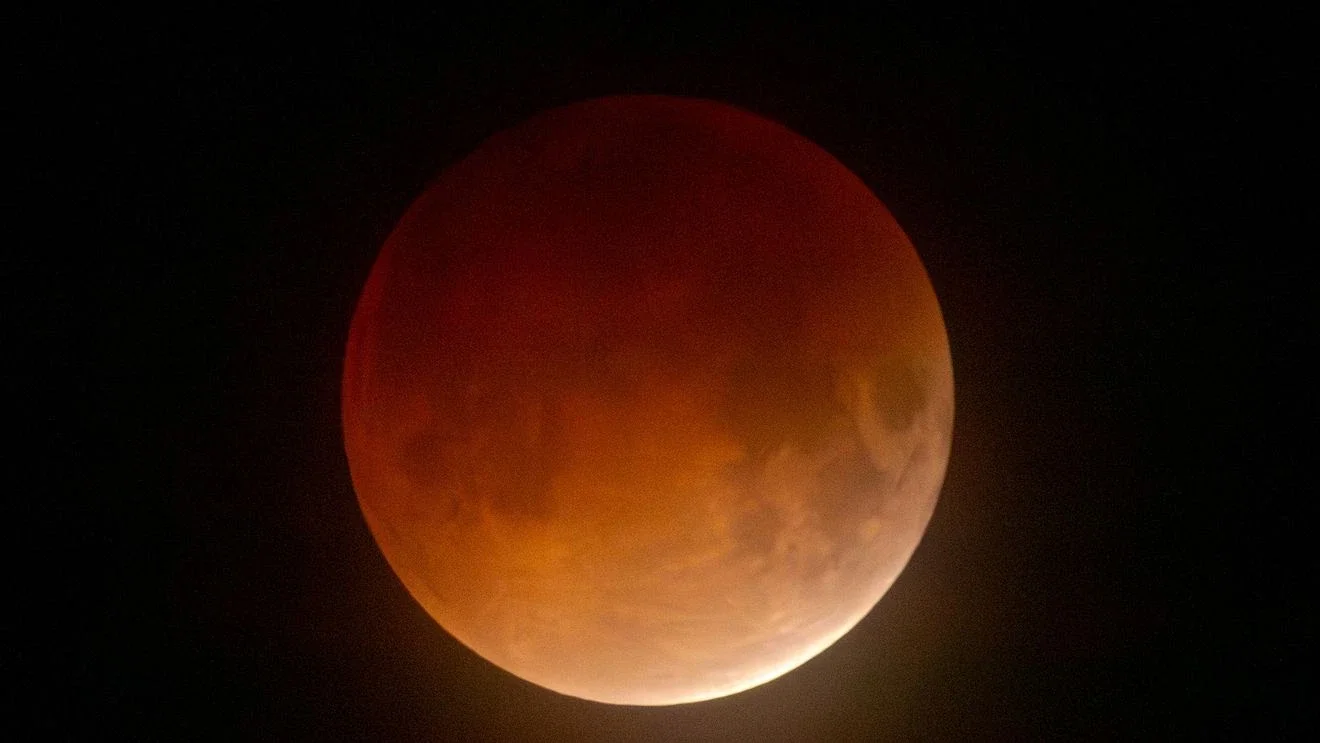
The March 3, 2026 total lunar eclipse produced a dramatic, red “blood Moon” as Earth’s shadow crossed the Moon, visible from North America, East Asia, Australia and New Zealand. Observers captured striking images, and readers are invited to submit their shots; guides remain for the 2026 Worm Moon for those who missed it.

Global skywatchers witness March 3 blood moon eclipse
space1 month ago

Global skywatchers witness March 3 blood moon eclipse

The March 3 total lunar eclipse—aka the blood moon—was visible across North America, Australia, and eastern Asia, with totality lasting about an hour during a roughly 5.5-hour event. Earth's shadow reddened the Moon via Rayleigh scattering of sunlight through our atmosphere, offering dramatic images from observers worldwide. Up to about 3 billion people could see at least part of the eclipse, and timing for the U.S. saw the total phase around 6–7 a.m. EST on the East Coast. The next total lunar eclipse visible in North America occurs on June 26, 2029.

Blood Moon Lights Up Global Sky During 2026 Lunar Eclipse
science1 month ago

Blood Moon Lights Up Global Sky During 2026 Lunar Eclipse

During the early hours of March 3, 2026, a total lunar eclipse turned the Moon copper-red as Earth’s shadow covered it; visibility varied by region, with favorable viewing across much of western North America, parts of South America, East Asia and Australia, weather permitting. Totality lasts about 59 minutes, beginning around 6:04 a.m. ET, and the next total lunar eclipse is expected in 2028.

March's Worm Moon Sparks Global Blood Moon Eclipse
science-space1 month ago

March's Worm Moon Sparks Global Blood Moon Eclipse

March’s full Moon, the Worm Moon, peaks at 11:38am on March 3 and will appear full around that time. For parts of North and South America, East Asia and Australia, the Moon will pass through Earth’s shadow in a total lunar eclipse, turning a blood-red color (the Blood Moon). The UK won’t see the eclipse as the Moon will be below the horizon during the eclipse. The piece also notes that many cultures assign names to full Moons (e.g., Worm Moon, Crust Moon) to reflect seasonal events.

First Glimpses of the 2026 Blood Moon as Total Lunar Eclipse Ends
stargazing1 month ago

First Glimpses of the 2026 Blood Moon as Total Lunar Eclipse Ends

Space.com reports that the March 3, 2026 total lunar eclipse produced dramatic blood-moon visuals with totality ending but partial phases continuing, as photographers across North America, Oceania, and the Philippines captured stunning images. The article notes the Worm Moon name for March, encourages readers to follow the live blog and streams for real-time milestones, and reminds that this is the last total lunar eclipse visible over North America until 2028.

Bay Area Set for Blood Moon: Total Lunar Eclipse Watch
science1 month ago

Bay Area Set for Blood Moon: Total Lunar Eclipse Watch

Northern California observers can catch a total lunar eclipse (the blood moon) in the pre-dawn hours, with totality from about 3:00 to 4:00 a.m. The Chabot Space and Science Center is hosting a watch party with multiple viewing options, and clear skies away from city lights will improve visibility; you can also watch online, and the next total lunar eclipse isn’t until late 2028.

Southern California Gears Up for Blood Moon Lunar Eclipse Before Dawn
science1 month ago

Southern California Gears Up for Blood Moon Lunar Eclipse Before Dawn

A total lunar eclipse (blood moon) will be visible in Southern California before dawn on Tuesday, with phases from 12:37 a.m. to 6:25 a.m. and totality at 3:04 a.m.; no equipment is required to see the color change, though binoculars or a telescope can enhance the view, and observers should seek dark skies away from light pollution. The event places the Moon in Leo, and Griffith Observatory will host an online broadcast from 12:37 a.m. to 6:25 a.m.; NASA notes the red hue results from Earth's atmosphere filtering sunlight during totality.

Blood Moon Viewing Outlook: Will the U.S. See March 3's Total Lunar Eclipse Clear?
space-astronomy1 month ago

Blood Moon Viewing Outlook: Will the U.S. See March 3's Total Lunar Eclipse Clear?

Space.com reports that the March 3, 2026 total lunar eclipse will be visible across much of the U.S. but sky conditions will vary. Best viewing prospects are in southeast New England, the Florida peninsula, the northern Rockies, Southwest deserts, Nevada, and much of California, while central and eastern states face cloudier conditions due to a stationary front and associated unsettled weather. Areas like Utah, Wyoming, Colorado, and parts of the Northern Plains to the Upper Midwest may see light rain or snow; a marine layer could also hide the Moon along the Pacific Northwest. In New York, New Jersey, Pennsylvania, and New England, clouds could move in late, potentially obscuring the eclipse depending on how fast they roll in. Totality begins at 6:03 a.m. ET and lasts 58 minutes. NOAA's sky-cover map provides a three-tier outlook (GOOD, FAIR, POOR) to help plan viewing, and local NWS updates or GOES imagery are recommended. If you miss it, the next total lunar eclipse over the U.S. won't occur until 2029, though livestreams are available for clouded-out observers.

Worm Moon Goes Blood Red During March 3, 2026 Lunar Eclipse
stargazing1 month ago

Worm Moon Goes Blood Red During March 3, 2026 Lunar Eclipse

On March 3, 2026, the full Moon—the Worm Moon—will pass through Earth’s shadow, turning coppery-red for about 58 minutes during a total lunar eclipse. The event lasts from 08:44 to 14:22 UTC, with totality from 11:04 to 12:02 UTC, and will be visible across western North America and parts of Europe, the Pacific, Australia, New Zealand, and east Asia (Europe won’t see it). No eye protection is needed to view the eclipse itself, though a clear sky helps. The piece also notes a pre-eclipse moon-Regulus close approach on March 2 and links to live blogs and viewing tips; this will be the last total lunar eclipse visible in North America until 2029.

March 3 blood moon eclipse goes online with free livestreams
astronomy1 month ago

March 3 blood moon eclipse goes online with free livestreams

Space.com reports that the March 3 total lunar eclipse—the blood moon—will be visible across the Americas, Asia and Oceania and can be watched for free via three YouTube livestreams: Time and Date LIVE (about 4:30 a.m. EST), the Virtual Telescope Project (about 3:30 a.m. EST), and Griffith Observatory (about 3:37 a.m. EST); if viewing is hindered by weather or location, a live blog offers updates. This will be the last blood moon until New Year’s Eve 2028.

Copper-Hued Blood Moon to Grace Skies Across Three Continents
science1 month ago

Copper-Hued Blood Moon to Grace Skies Across Three Continents

A total lunar eclipse, known as a blood moon, will light up the skies over North America, Australia and New Zealand on Tuesday as Earth's shadow reddens the Moon; viewing times vary by city with dark-sky locations offering the best view, and Jupiter will also be visible nearby. The next total lunar eclipse isn’t until late 2028/2029, and while ancient cultures once read the red Moon as an omen, today it’s celebrated as a striking astronomical event.