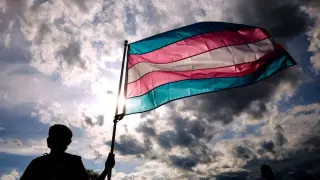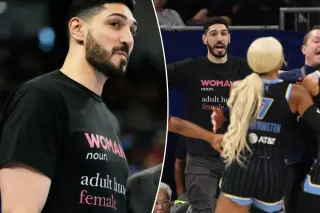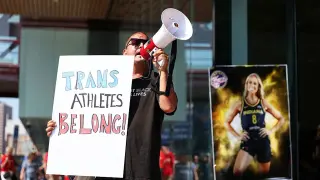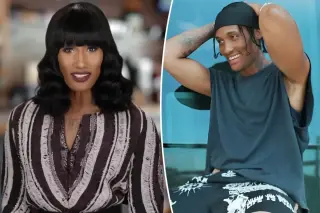
The IOC's 2026 policy requires testing for the SRY gene to classify athletes by sex, a move meant to bar transgender athletes from women’s competitions but likely to exclude many intersex women who were assigned female at birth because biological sex is complex and the policy provides no case by case exceptions.
Caster Semenya criticized the IOC's decision to reinstate sex verification tests for the 2028 Olympics, calling it disrespectful to women and highlighting potential harms to athletes from Africa and the global South. The IOC will use a one-time SRY gene test to determine female eligibility (via saliva, cheek swab, or blood), effectively excluding many transgender and intersex athletes and reviving chromosomal testing used from 1968 to 1996.
More than 100 rights, sports and science groups condemn the IOC’s new rules mandating genetic sex tests in the women’s category and banning athletes who identify as transgender or with sex differences, calling the policy unscientific, discriminatory and a violation of international human rights. Critics note the data behind the guidelines hasn’t been shared, point to the unreliability of the SRY gene test, and warn it could reintroduce discriminatory practices. UN experts had already criticized blanket testing; only Laurel Hubbard has identified as transgender among Olympians since 1999. The move risks impacting grassroots sport and disproportionately affecting women of color, with some Australian officials supporting the policy but others cautioning about legal and integrity risks.
Bob Costas defended the IOC’s policy restricting Olympic women’s events to biological females, calling the move “common sense” while stressing that transgender people deserve dignity and opposing discrimination; he argued the policy reflects longstanding reasons for separate men’s and women’s sports and cited historical examples in contrast to trans athletes competing with women.
The Idaho Legislature approved a measure restricting bathroom access for transgender individuals and imposing jail penalties for violations, sending the bill to the governor for consideration.
Idaho lawmakers advanced a bill that would criminalize using restrooms or changing rooms that don’t match a person’s sex assigned at birth in government buildings and places of public accommodation, with a misdemeanor for the first offense and a felony for a second offense within five years. The measure includes exceptions for custodial work, medical aid, law enforcement, single-user facilities when no other option exists, dire need, athletic events, and guardians accompanying someone needing assistance, and it now goes to the governor. Supporters say it protects privacy and safety; opponents argue it targets transgender people and could endanger them, with groups like the ACLU and Planned Parenthood condemning the bill. Critics note little evidence that inclusive policies threaten safety, and Idaho has recently pursued other anti-LGBTQ measures.
Idaho lawmakers are considering a bill that would criminalize transgender people using bathrooms and changing rooms that align with their gender identity in any place of public accommodation, with penalties of up to a year for a misdemeanor and up to five years for a felony on a second offense; it includes carve-outs for emergencies, dire need, and other staff roles, but faces opposition from law-enforcement groups and LGBTQ advocates who warn it could lead to profiling and harassment. The Senate was expected to vote on the bill this week, potentially sending it to Governor Brad Little for signing.
The IOC adopted a non-retroactive eligibility policy that bars transgender women from female Olympic categories and other IOC events, determined by a one-time SRY gene screening, effective for the 2028 Los Angeles Games. The move aims to protect fairness and safety in the female category, and also limits athletes with certain differences in sex development (DSD); the document notes that being born male and puberty-related testosterone can confer advantages in strength, power, and endurance.
The IOC announced a policy barring transgender women from competing in Olympic women's events, a move led by IOC President Kirsty Coventry amid ongoing debates over gender eligibility in sport, with reference to related legal battles such as Caster Semenya's case.
In a rare weekend session, the Senate blocked a GOP amendment that would ban transgender athletes from women’s sports as it debated a sweeping voting bill aimed at stricter voter rules and photo IDs; Republicans face filibuster hurdles, and President Trump is pressing to add priorities like a ban on most mail-in voting and sex-reassignment procedures to the measure.
Senate Republicans tried to attach two transgender-related provisions—one barring transgender women and girls from women’s and girls’ sports and another criminalizing gender-transition treatments for minors—to a restrictive voter ID bill, but the measure failed 49–41 as Democrats opposed the changes. The effort appears aimed at framing Democrats as out of touch ahead of the midterms, even though the underlying voting bill lacks enough support to advance.
During a weekend session on a voting bill, Senate Republicans blocked an amendment addressing transgender athletes from being attached to the measure, signaling ongoing partisan maneuvering as the bill moves through the chamber.
A federal judge ruled that the government overreached its authority in issuing a transgender health care declaration, signaling limits on how federal agencies can frame or enforce transgender health policy.
At SXSW, Dwyane Wade executive produces The Dads, a documentary following fathers of transgender and gender-expansive children as they navigate love and resilience amid a politically hostile climate, including Trump-era policies and bans on gender-affirming care, urging allies to support families so their kids can thrive.
Rhode Island high school hockey captain Colin Dorgan scored the game-winning goal in double overtime, lifting Blackstone Valley to the Division II state final just weeks after his father — who was transgender — murdered his mother, brother, and grandfather before taking his own life. Dorgan wore a patch honoring his late relatives, and his teammates’ embrace as he celebrated was described as a powerful moment of unity in the wake of tragedy, with the state final set for March 18 in Providence.