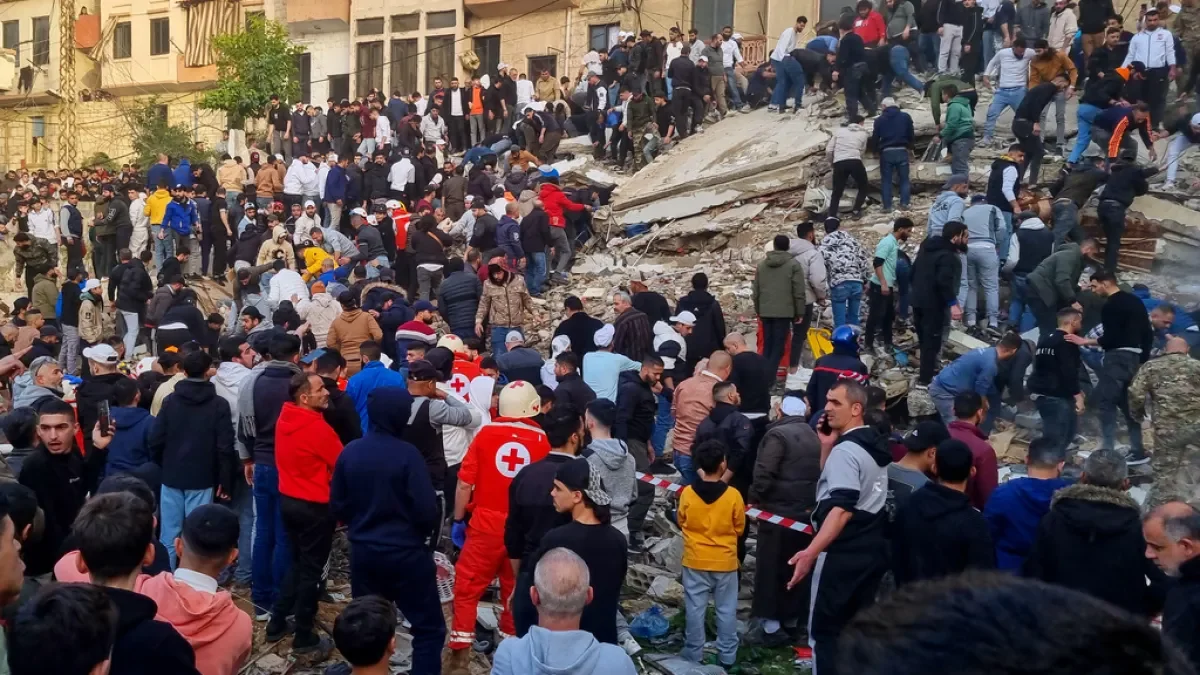
Two adjoining buildings collapsed in Tripoli, northern Lebanon, killing at least six people and wounding seven, as rescue teams and residents search the rubble; authorities pledged emergency readiness and housing aid for evacuees.
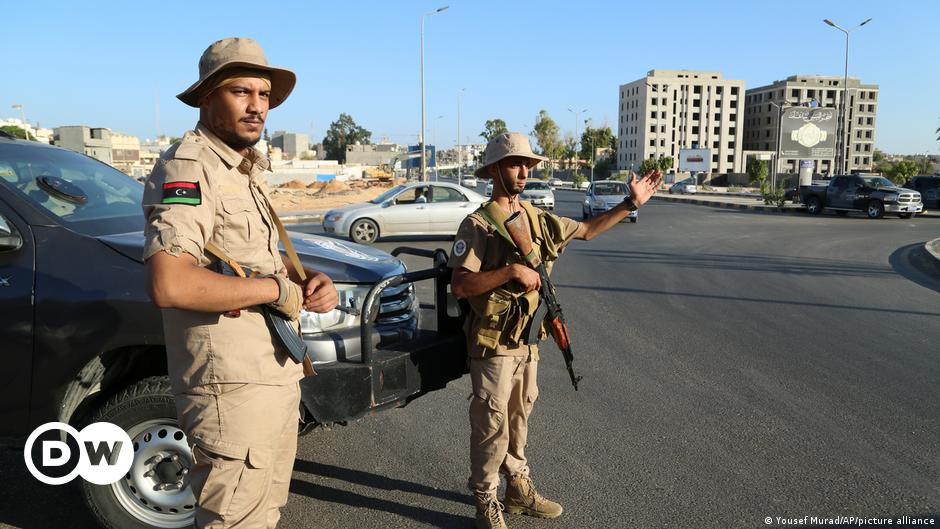
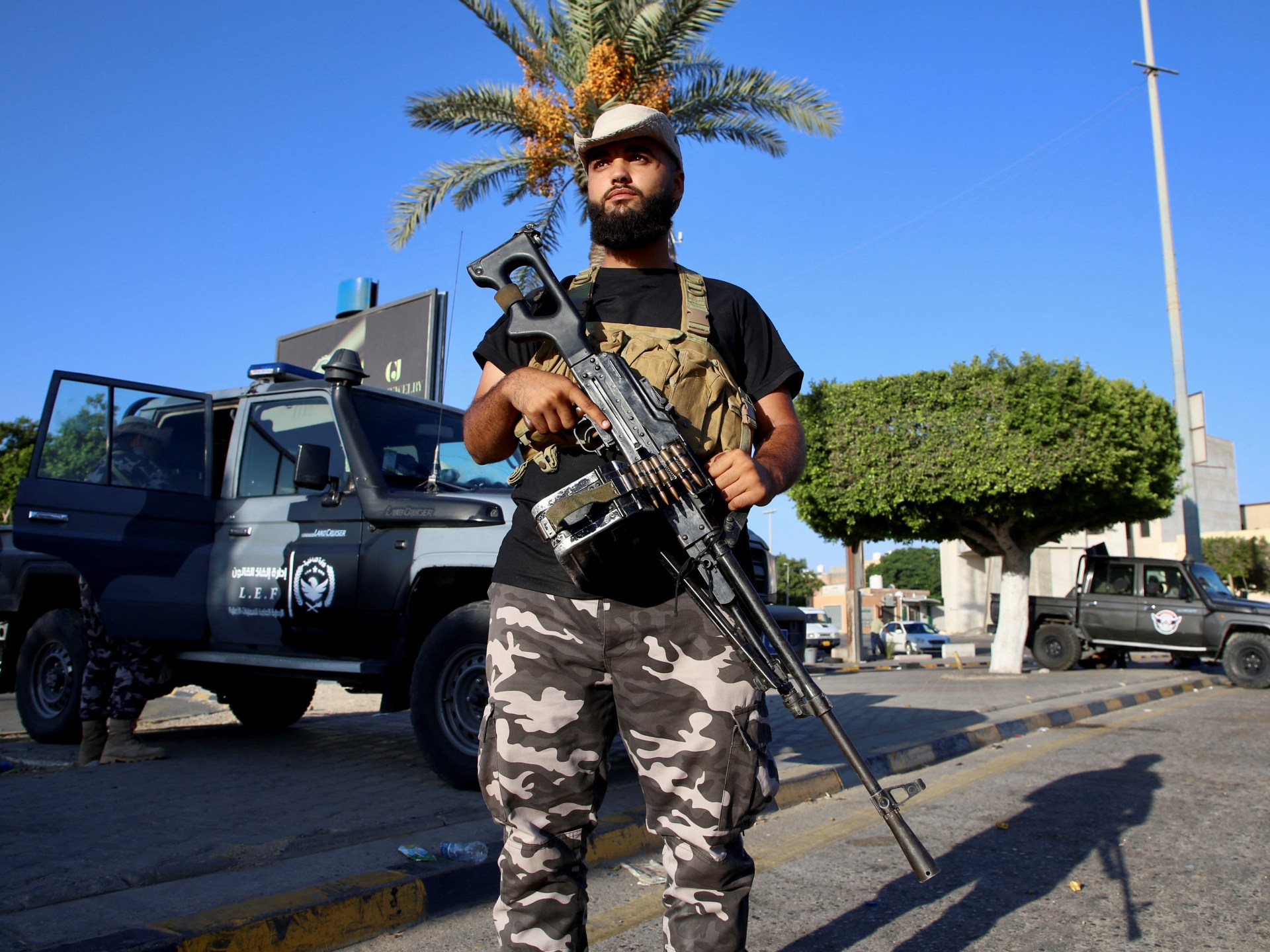
Clashes between rival militias in Tripoli, Libya, resulted in at least 27 deaths and over 100 injuries. The fighting began when one militia detained a senior leader from another, and it ended when the detained leader was released. Libya's militias, which emerged after the fall of Moammar Gadhafi in 2011, have evolved and become part of the country's security institutions. They often compete for power, harass civilians and politicians, and are used by political factions to strengthen themselves. The recent clashes highlight the ongoing dangers posed by these militias, which continue to play a significant role in Libya's future despite condemnation from the country's rival governments.
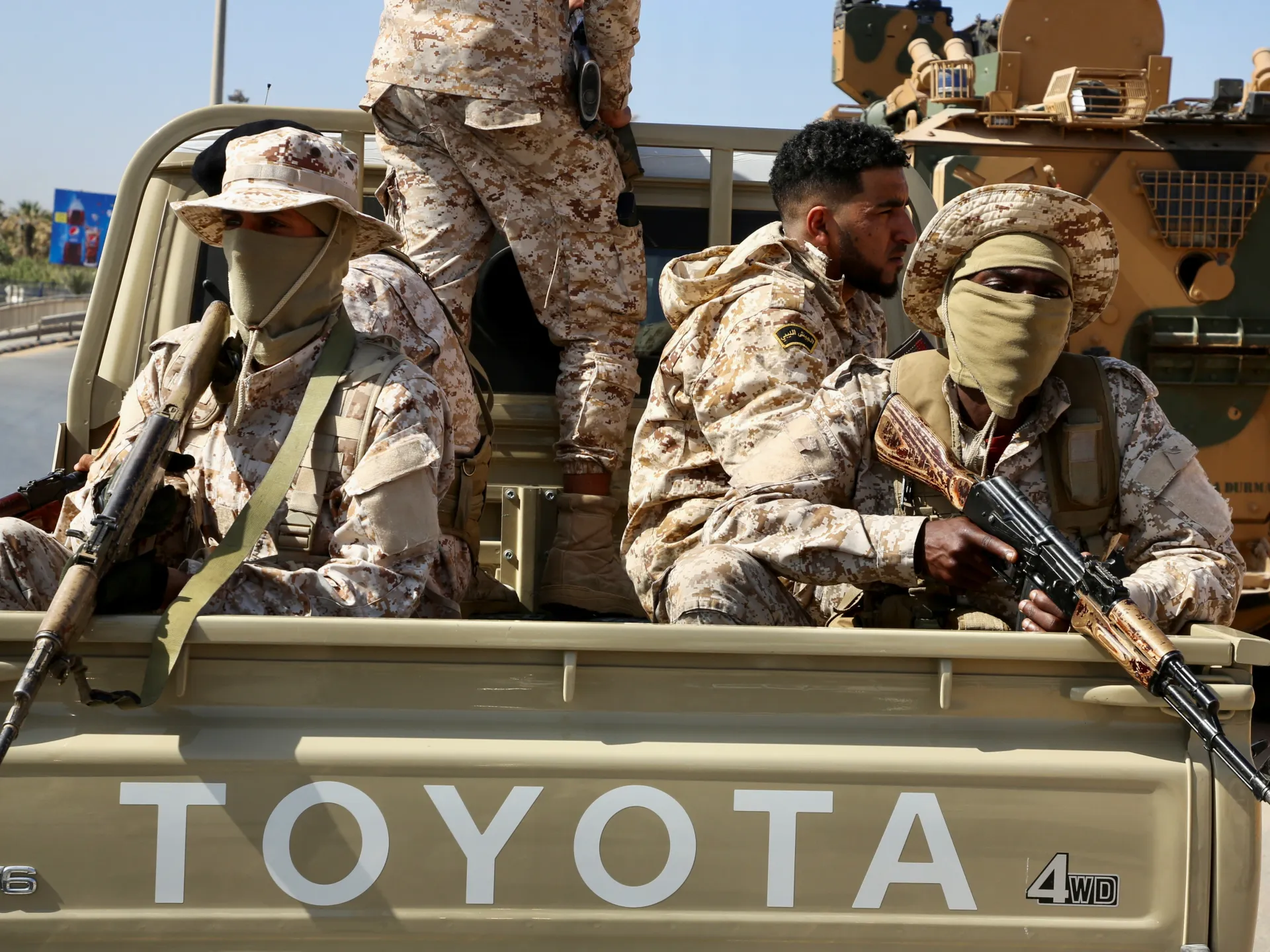
Clashes between rival militias in Libya's capital, Tripoli, have resulted in the deaths of 55 people and injured 146 others. The fighting erupted between the influential 444 Brigade and the Special Deterrence Force, two powerful militias vying for power in the country. The clashes were triggered by the detention of the 444 Brigade head, Colonel Mahmoud Hamza, and have highlighted the ongoing divisions and power struggles in Libya since the overthrow of Muammar Gaddafi in 2011. The African Union, United Kingdom, and United States have expressed concerns and called for an end to the violence.
Clashes between rival militias in Tripoli, Libya, resulted in at least 27 deaths and over 100 injuries. The fighting began when one militia detained a senior leader from another, and it ended when the detained leader was released. Libya's militias, which emerged after the fall of Moammar Gadhafi in 2011, have evolved and become part of the country's security institutions. They often compete for power, harass civilians and politicians, and are used by political factions to strengthen themselves. The recent clashes highlight the ongoing dangers posed by these militias, which continue to play a significant role in Libya's future despite condemnation from the country's rival governments.
Clashes between rival militias in Tripoli, Libya continue despite the release of military commander Mahmoud Hamza, who was detained by the Special Deterrence Force. The fighting has trapped civilians in their homes, with an unclear death toll and numerous injuries. The Health Ministry has appealed for blood donations to aid casualties. The clashes have disrupted flights and highlighted the ongoing political stalemate in Libya, with divisions between factions supporting the Government of National Unity and those favoring renegade General Khalifa Haftar. The United Nations and international embassies have called for an immediate end to the violence.
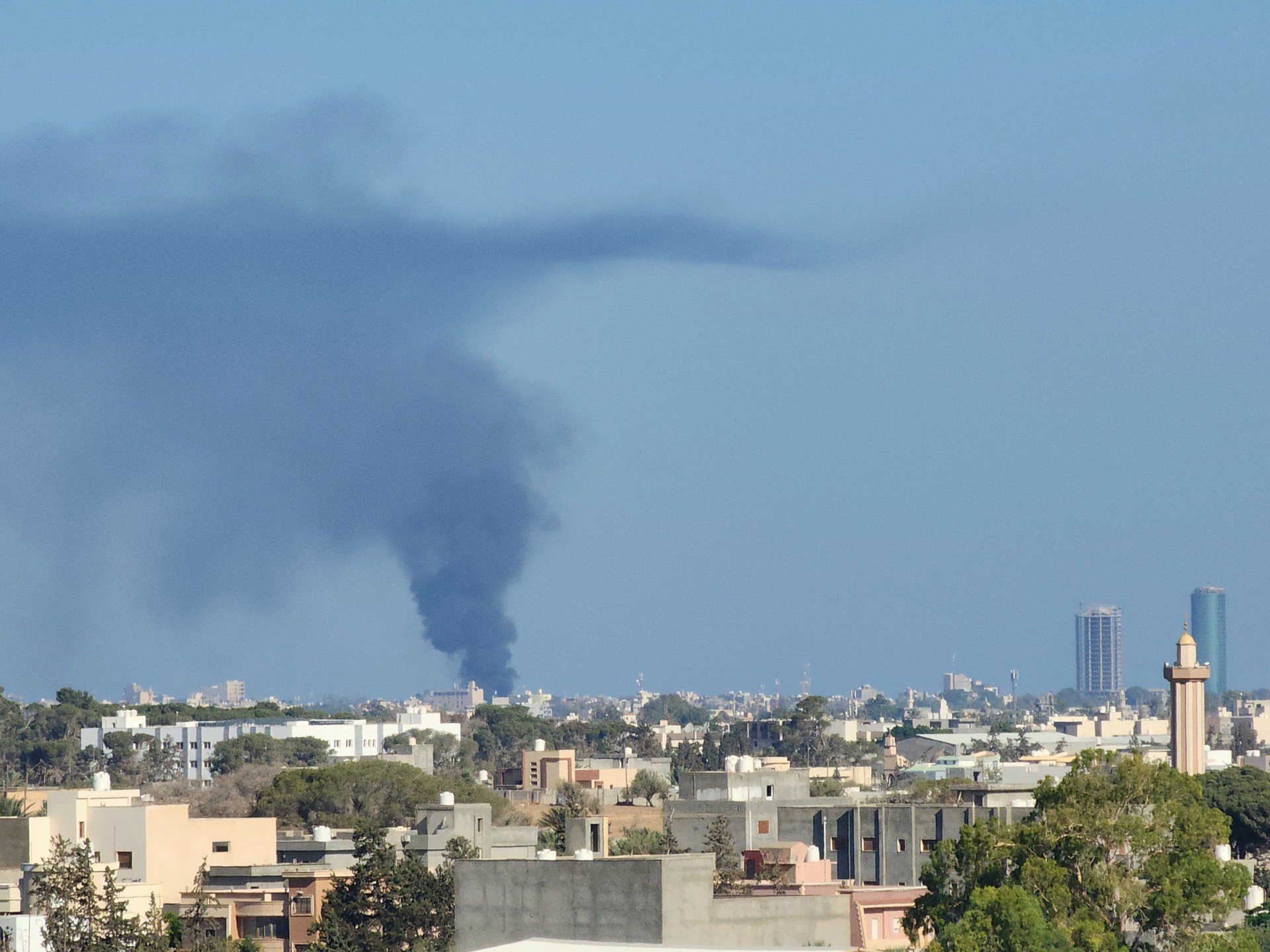
Clashes have erupted in the Libyan capital of Tripoli following the reported detention of a powerful armed faction leader by a rival force. The fighting, the worst in months, has raised concerns about the safety of residents and the potential risks of sustained conflict between the factions. Libya has experienced ongoing violence and division since the 2011 uprising, with no lasting political solution in sight.