
Tag

Uinta Mountains

All articles tagged with #uinta mountains

Mantle Drip Carved the Green River Through Utah's Uinta Mountains
science2 months ago

Mantle Drip Carved the Green River Through Utah's Uinta Mountains

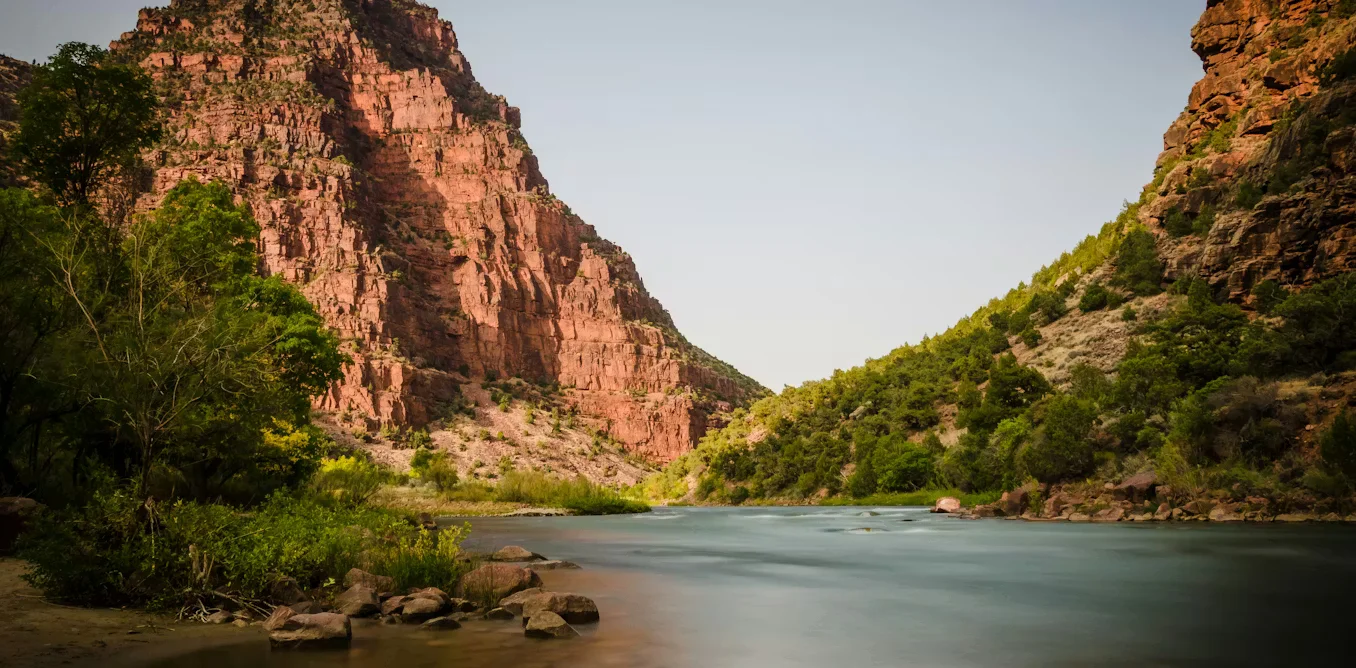
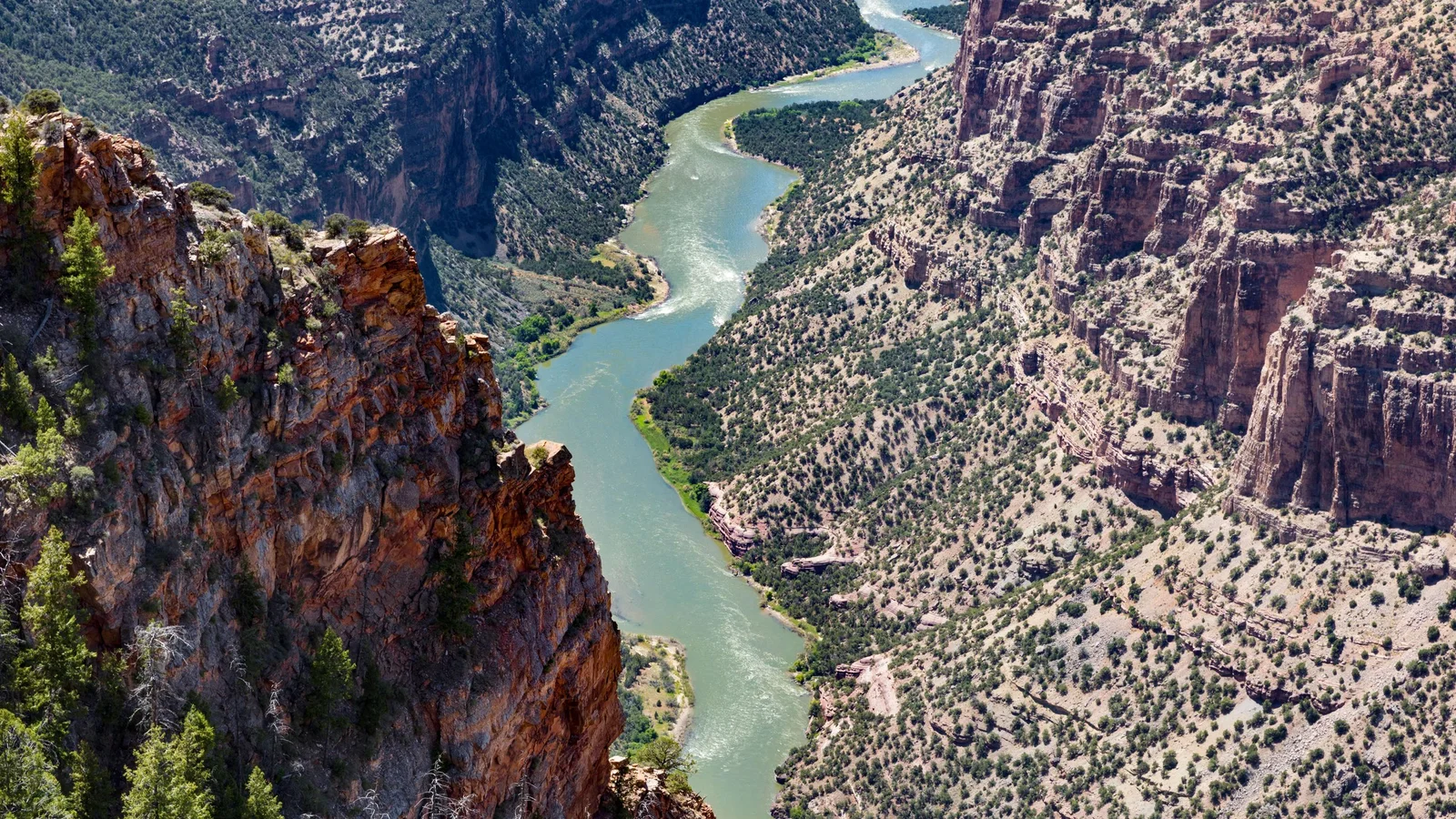
Geologists say a lithospheric drip—dense lower-crust material sinking into the mantle—pulled the land downward beneath Utah's Uinta Mountains, creating a temporary depression that let the Green River punch a 700-meter canyon through the range around 8 million years ago; as the drip broke off and the crust rebounded, the river remained entrenched, reshaping North America’s hydrology and the continental divide, with seismic imaging and river-network modeling supporting the scenario.
The Earth's hidden drip redirected a river through a mountain range
science2 months ago

The Earth's hidden drip redirected a river through a mountain range

Geologists have resolved a 150-year mystery: the Green River carved the Canyon of Lodore by exploiting a temporary dip in the Uintas caused by a lithospheric drip, a dense crustal slab sinking into the mantle and then rebounding. Seismic tomography shows a large beneath-the-surface anomaly beneath the Uintas that detached 2–5 million years ago, aligning with uplift inferred from surrounding rivers and the timing of the Green River’s crossing. This deep-Earth process redirected the river from the eastern plains toward the Colorado and reshaped North American drainage and ecosystems, illustrating how deep crustal dynamics can alter surface landscapes.

Ancient mantle drip let the Green River flow uphill through the Uintas
planet-earth2 months ago

Ancient mantle drip let the Green River flow uphill through the Uintas

Geologists propose that a deep mantle “lithospheric drip” under the Uinta Mountains lowered the range, allowing the Green River to carve an uphill route through the Uintas about 8 million years ago. The mountains later rebounded after the drip detached from the mantle around 2–5 million years ago, enabling the canyon and current river path (including the Canyon of Lodore) to form. The idea is supported by seismic-imaging data and landscape modeling, and is published in the Journal of Geophysical Research: Earth Surface.