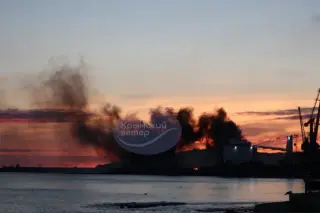
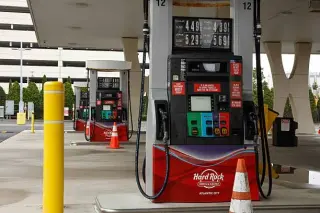
Ukrainian strikes on key supply routes feeding Russian-occupied Crimea have left fuel stations dry, with Sevastopol pumps empty and long queues in Yevpatoriya, as the R-280/Novorossiya corridor and other logistics links are disrupted in a broader campaign to choke Moscow's supply lines.
ISW assesses Moscow is preparing a new massive strike on Ukraine while Kyiv reports ongoing Ukrainian counter-attacks; Ukrainian forces claim to have destroyed two Tu-142s and an Iskander launcher in Rostov Oblast, and struck oil infrastructure in Taganrog, as part of a broader campaign that includes deep-penetration drone operations and remote mining along key supply routes; Russia is moving to oblast-level air-defense coordination to counter the growing drone threat, while Putin continues to claim battlefield gains that ISW says are inflated; the May 28-29 Galati drone incident is viewed as a potential setup for falsely blaming Russia in Moldova, with NATO risk from drone incursions noted.
Russian proxy authorities in Crimea will require fuel vouchers and limit gasoline sales (20 liters per vehicle for 92-octane), with priority for 95-octane fuel for municipal and social transport, as shortages grow due to Ukrainian strikes on supply routes and oil infrastructure.
The US Coast Guard seized two Russian-linked oil tankers attempting to bypass sanctions, while ongoing negotiations in Paris aim to establish security guarantees for Ukraine. Russian forces face difficulties in replenishing reserves and suffer casualties, with Ukrainian forces conducting strikes against Russian infrastructure and advancing in certain areas. The conflict continues with complex military and diplomatic developments.
The Institute for the Study of War reports that Russia is inflating its territorial gains in Ukraine and conducting large missile and drone strikes, while suffering significant casualties. The Kremlin appears to be manipulating information to portray an inevitable victory, despite evidence of slow progress and high losses. Ukrainian forces continue to strike Russian infrastructure, and internal Russian politics suggest possible shifts in leadership and strategy. The conflict remains intense with ongoing military and informational battles.