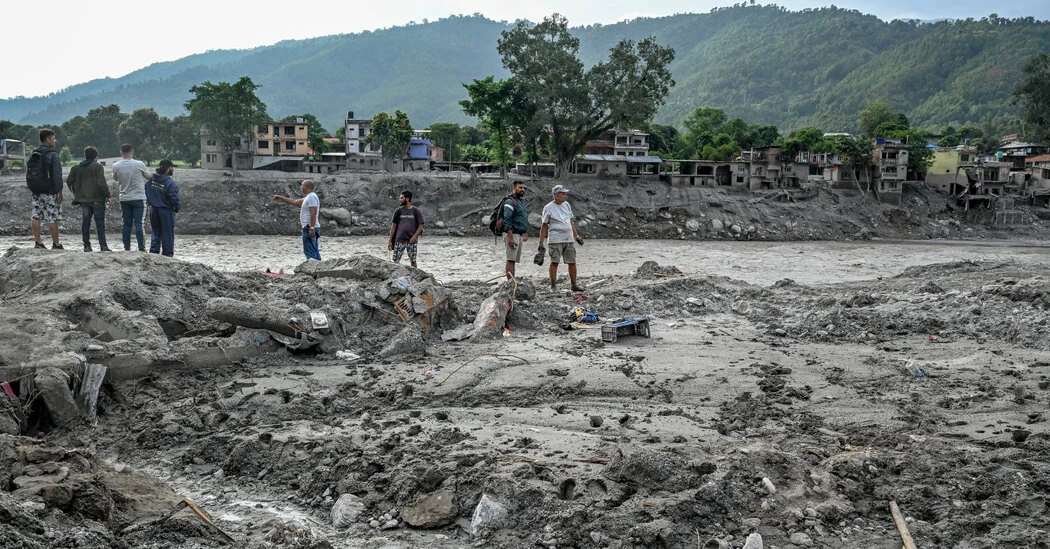
Nepal estimates the cost of last week’s floods and glacier collapse at $5 billion and blames climate change; the government has appealed for rapid assistance from the United Nations climate fund, but funding remains short as wealthier nations hesitate, underscoring the inequity of climate impacts on vulnerable countries.
As the costs of climate change continue to rise, the question of who should pay for climate finance is becoming a contentious issue among governments. The EU, currently the largest contributor of climate finance, is pushing for an expansion of donor countries to include China, Qatar, Singapore, and the United Arab Emirates. However, China and other countries are resisting calls to contribute, arguing that developed nations should fulfill their existing commitments first. Changing the official U.N. donor list would require international consensus, and negotiations are ongoing regarding the size of the new U.N. target for climate finance after 2025. The issue of historical responsibility and compensating vulnerable states for climate-related damages will also be addressed at the upcoming COP28 conference.