"Former Waste Incineration Sites Turned Urban Parks: A Potential Lead Hotspot, Study Reveals"
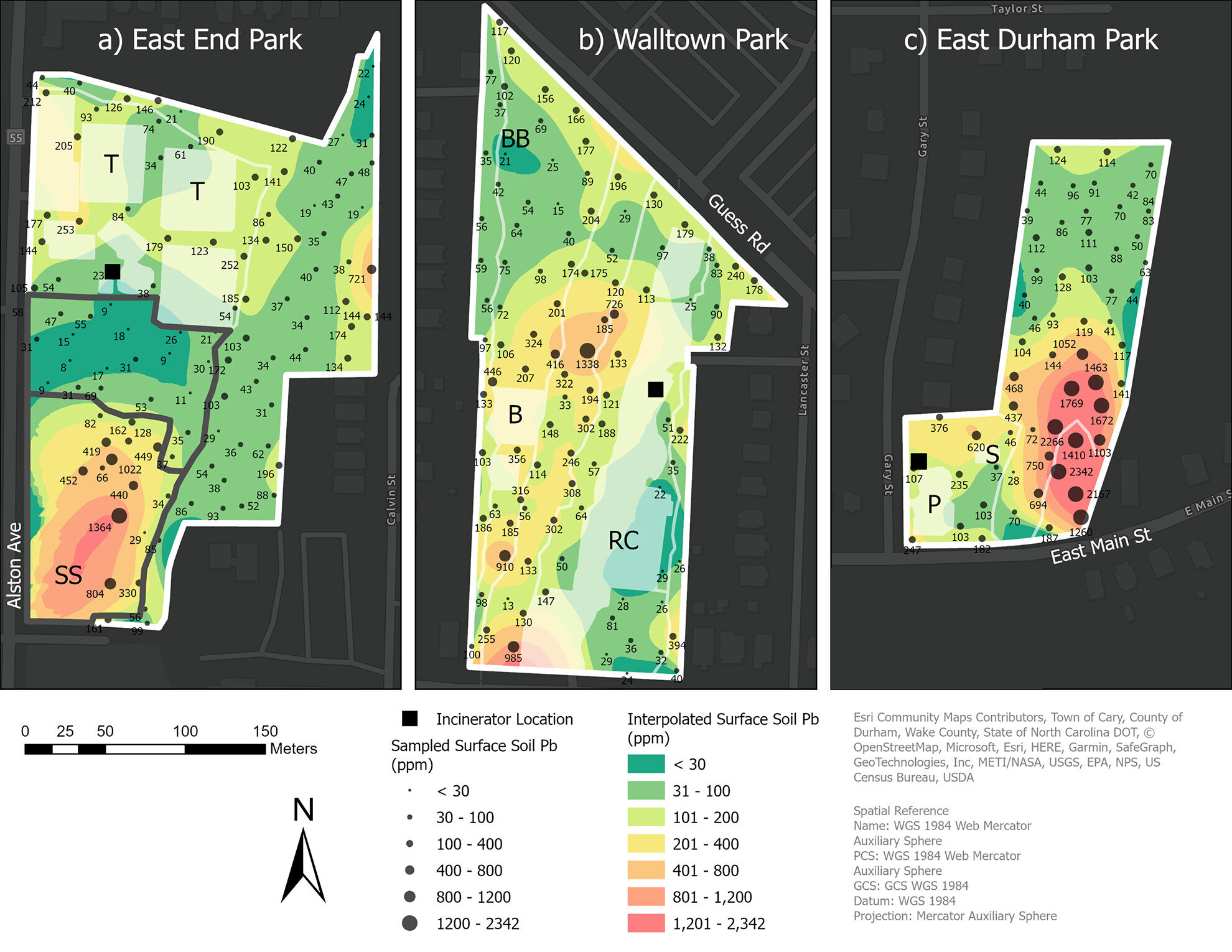
A study conducted by Duke University has found that urban parks and playgrounds built on former waste incinerator sites may still have significantly elevated levels of lead in their surface soils, even decades after the incinerators were closed. Exposure to lead in soil can lead to long-term health problems, especially in children. The study highlights the need for increased monitoring and mapping of contaminated areas to mitigate risks. Historical records and new technology could aid in identifying hotspots and expediting efforts to address lead contamination in outdoor environments.