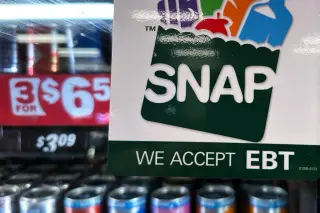
A federal judge ruled that SNAP benefits may be used to purchase candy and sugary drinks, preserving the program’s broad eligibility and fueling ongoing policy debates over funding and administration.
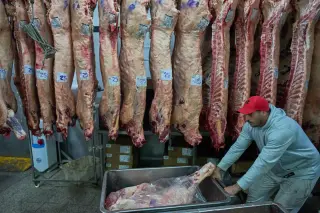
After Elon Musk’s Department of Government Efficiency cut USDA funding for screwworm control, the Trump administration ordered at least $1 billion to combat an outbreak spreading into Texas and New Mexico, including plans for a Texas facility to release hundreds of millions of sterile flies by 2027. Critics say the DOGE-driven cuts undermined surveillance and staffing, paused foreign facilities, and will cost taxpayers while beef prices rise.
Utz Quality Foods is recalling six Zapp’s and three Dirty-brand potato-chip varieties sold nationwide because the seasonings contain dry milk powder that may harbor salmonella. Although the seasoning batches tested negative for the bacteria, Utz issued the precautionary recall and reports no illnesses as of May 4. Consumers who own the recalled chips should not eat them and can seek refunds by contacting Utz Customer Care at 1-877-423-0149; additional products may be added to the alert as investigations continue. Salmonella exposure can cause diarrhea, abdominal cramps and fever, with seniors, young children and immunocompromised individuals at higher risk.
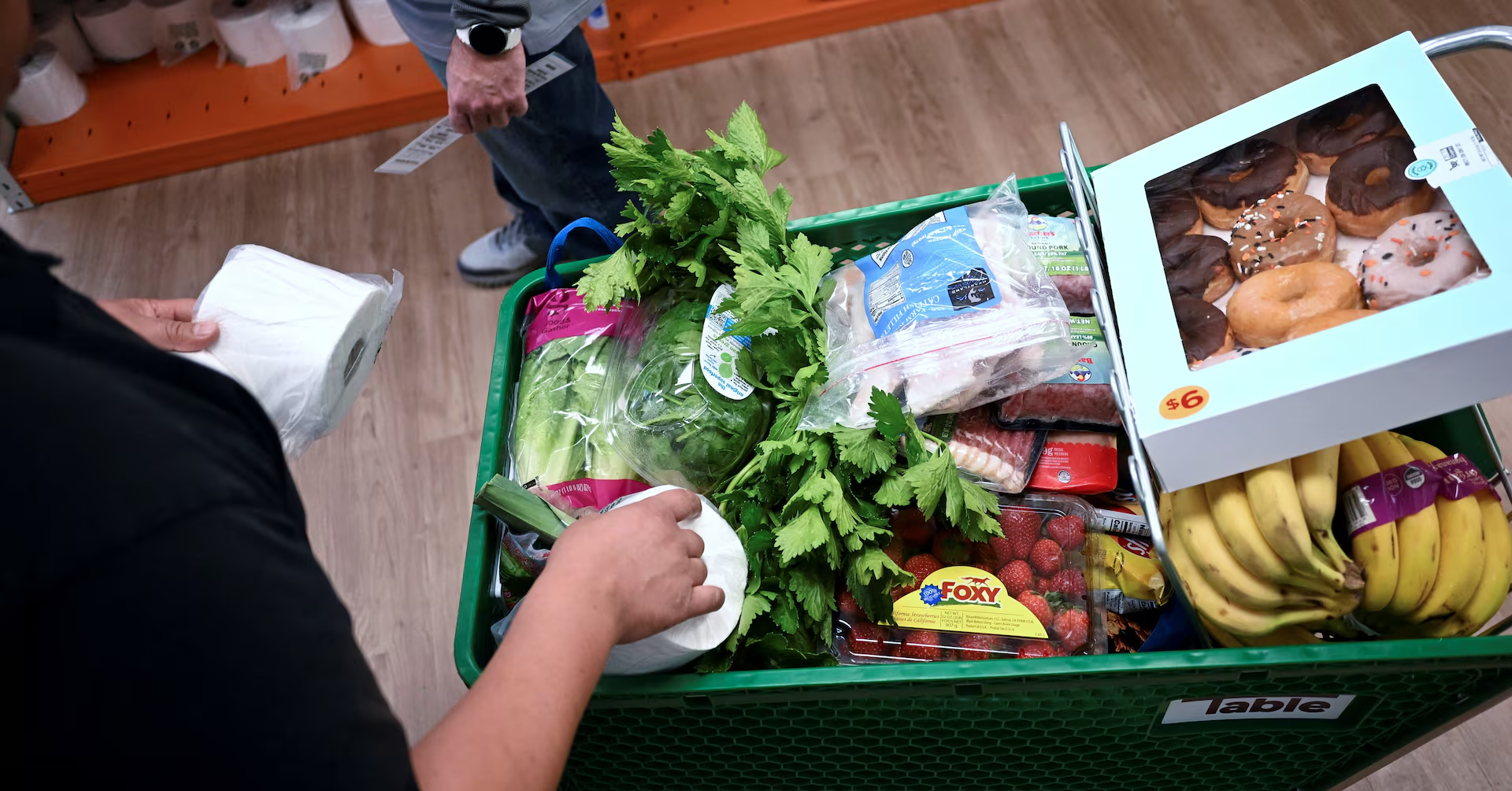
Washington Post reports Agriculture Secretary Brooke Rollins claimed a healthy meal could cost about $3, citing a basic combo (like chicken, broccoli, a corn tortilla and another item) under a revamped nutrition framework. The remark drew ridicule on social media and comes amid ongoing discussions about food costs and nutrition policy under the administration.
The US Department of Agriculture announced that due to the ongoing government shutdown, food benefits under SNAP will not be issued in November, affecting over 41 million Americans, as efforts to fund the program through emergency reserves have been rejected.
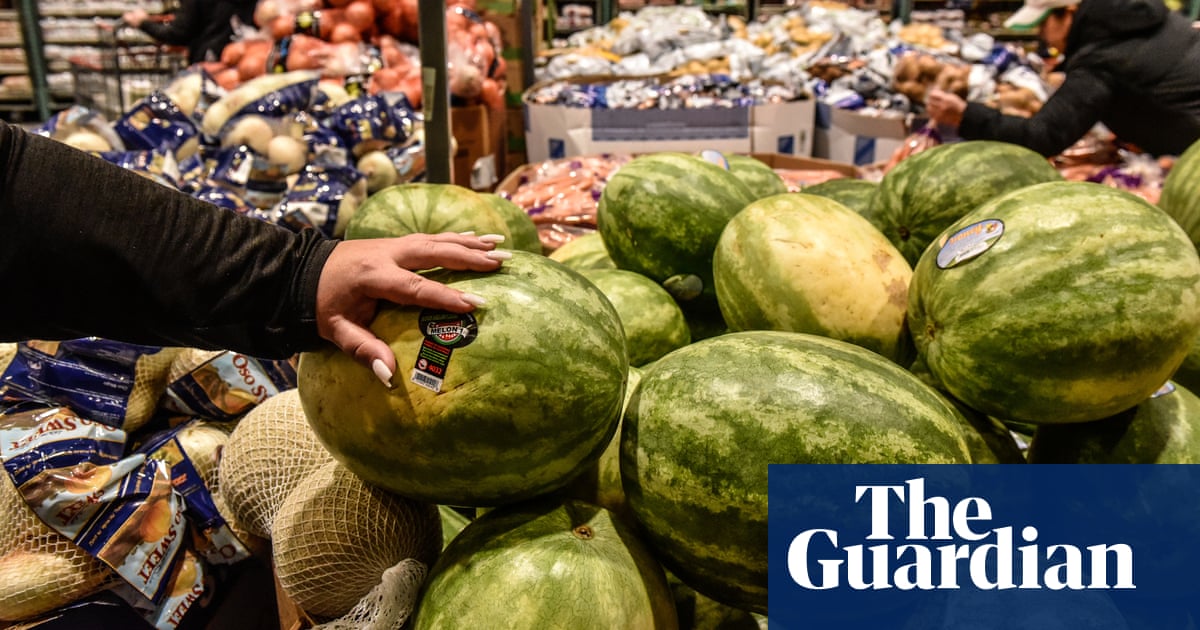
An analysis by Consumer Reports found that common fruits and vegetables in US supermarkets, including kale, watermelon, and bell peppers, contain potentially unsafe levels of pesticides. The report, based on seven years of USDA data, revealed that roughly 20% of the 59 foods examined posed significant pesticide risks, with conventionally grown kale, blueberries, potatoes, and bell peppers among the highest. Even some organic foods showed pesticide residue, raising concerns about contamination. Imported produce, particularly from Mexico, also posed higher risks. The study highlights the potential health risks associated with pesticide exposure, especially for vulnerable populations like children and pregnant women.
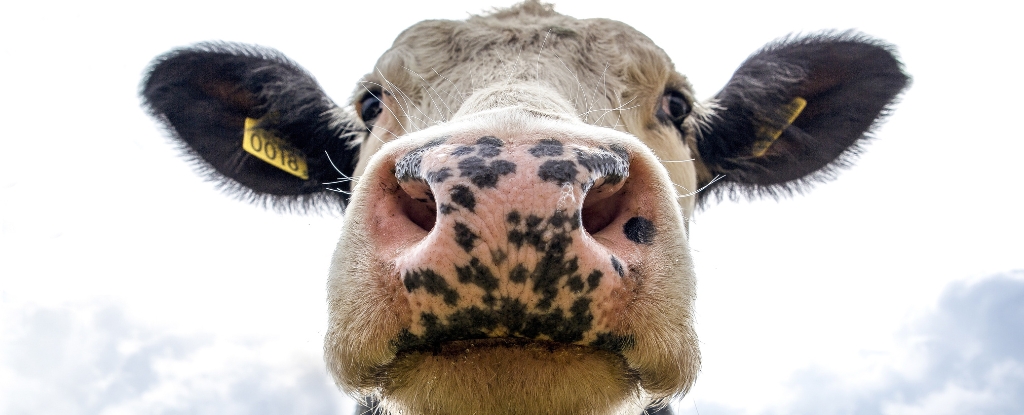
An atypical case of "mad cow disease" has been detected in a beef cow at a slaughter plant in South Carolina, according to US health officials. However, the US Department of Agriculture has said that the animal "never entered slaughter channels and at no time presented a risk to the food supply or to human health in the United States". The US has a "negligible risk status" for bovine spongiform encephalopathy (BSE), and officials do not expect any trade impacts as a result of this finding.