Nvidia is set to resume sales of its H20 AI chip to China after the US government assured licenses will be granted, leading to a rise in Nvidia's stock and positive outlook for related tech companies.
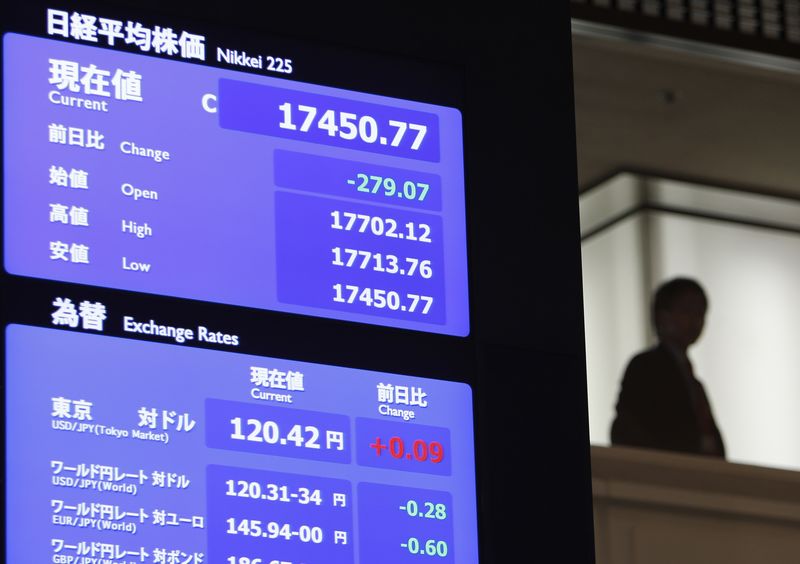
Asian stocks rose on Tuesday, led by gains in Japan and South Korea due to strong performances in major technology stocks, while Chinese shares fell following new U.S. export restrictions targeting Chinese tech firms. The restrictions, aimed at limiting China's access to advanced chips, are expected to benefit semiconductor companies outside China. Japan's and South Korea's markets saw significant gains in tech sectors, while Chinese indices declined as investors monitored U.S.-China trade relations.
AMD's attempt to sell a lower-performance AI chip tailored for the Chinese market was blocked by the US government, citing concerns about its power. This is part of the US crackdown on the export of advanced technologies to China. The tighter controls have also affected Nvidia. Both companies had to find workarounds after the 2022 ban prevented them from selling their most powerful AI chips to China. Leading Chinese tech firms have stockpiled enough powerful chips to advance their capabilities for another year or two, while Huawei is developing its own AI semiconductors and chipmaking capability to fill the gap created by the US ban.
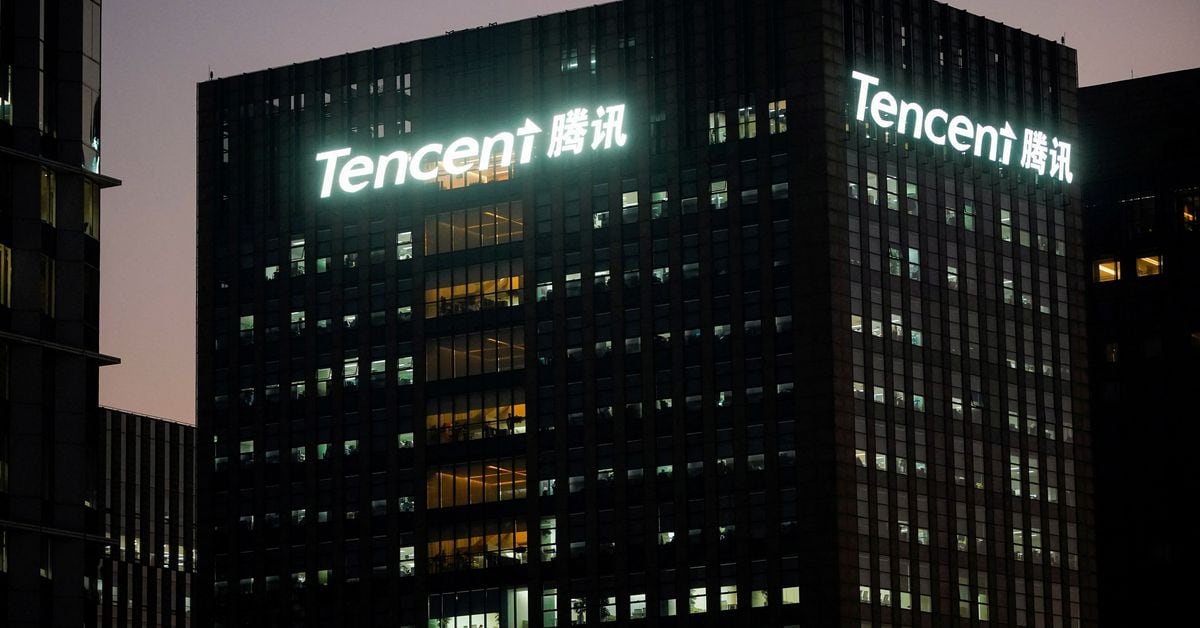
Chinese chip designers, including Tencent, are aggressively promoting their AI chips as alternatives to Nvidia's, hoping that U.S. export restrictions will prompt clients to switch. Nvidia currently dominates China's $7 billion market for AI chips, but the intensified U.S. technology controls have emboldened smaller players such as Hygon Information Technology and Iluvatar CoreX to challenge Nvidia's dominance. Huawei is also making progress with its Ascend 910B chip, while Tencent and other AI players are accelerating chip launches and marketing visits. Despite constraints on production capacity due to U.S. curbs, Chinese chip designers see an opportunity to diversify AI chip options and build their own AI ecosystems.
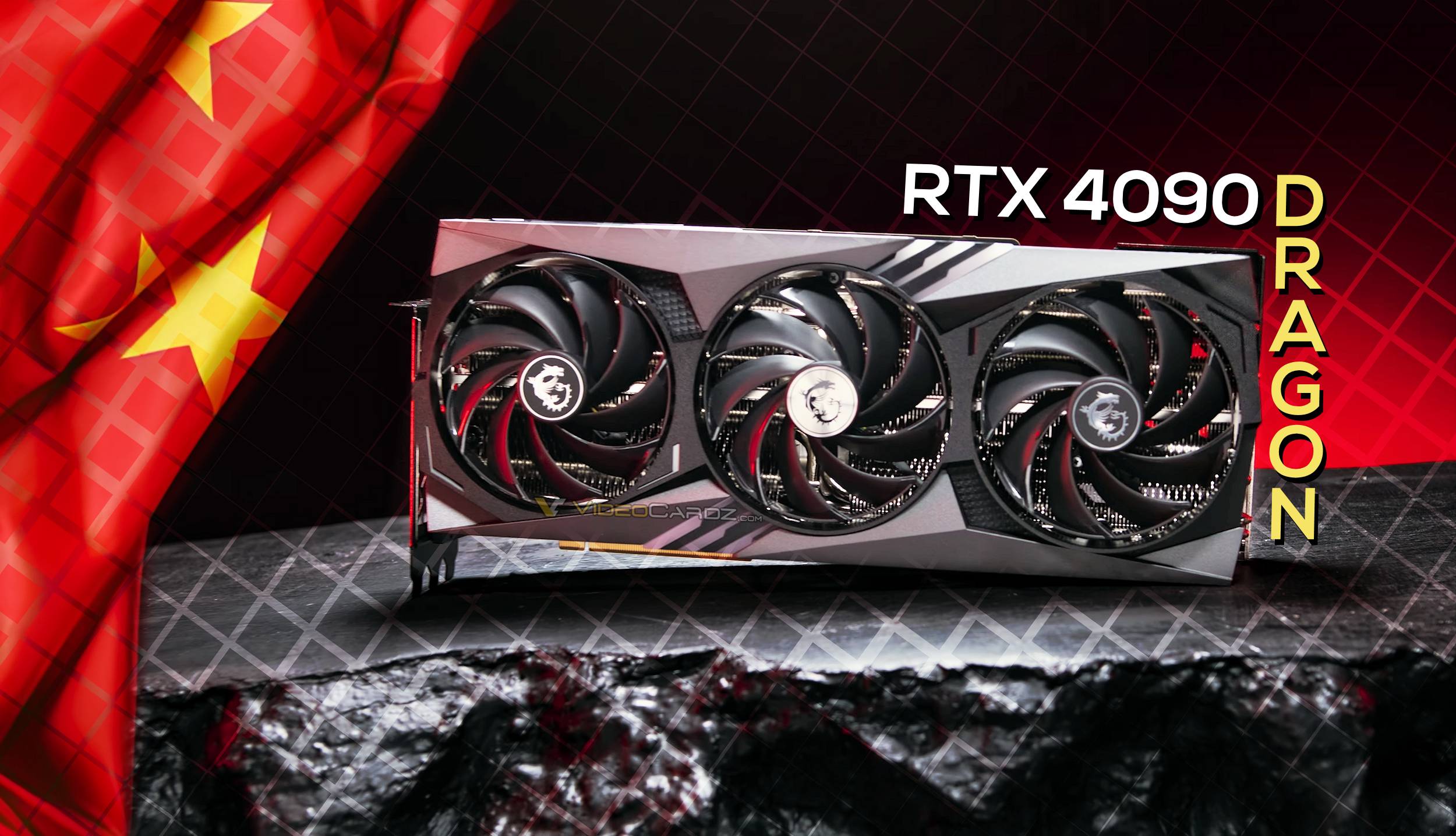
NVIDIA is reportedly preparing a special version of the GeForce RTX 4090 graphics card, designated as RTX 4090 D (Dragon), exclusively for China to comply with US export restrictions. The card aims to meet the Total Processing Performance (TPP) limit imposed by the restrictions, which the original RTX 4090 model exceeds. The card's performance may be compromised, potentially affecting CUDA core specs or clock speeds, but without severely impacting gaming performance. It is unclear if the card will be exported to other affected countries, but board partners in China will receive necessary AD102 GPUs for production. The card is expected to launch in 2024 at the same MSRP as the RTX 4090.
Nvidia stock reached a buy point after reports emerged that the chipmaker is preparing to unveil a new series of AI chips specifically designed for customers in China, in compliance with the latest US government export restrictions. The new chips, named H20, L20, and L2, have been modified to meet the restrictions. This marks the second time Nvidia has reconfigured its products for Chinese customers to adhere to US regulations. Analysts responded positively to the news, with Wedbush Securities rating Nvidia stock as outperform and setting a price target of $600. Nvidia stock is listed on four IBD stock lists and is part of the "Magnificent Seven stocks."