
Bank of America bets $250B on U.S. projects in America First push
Bank of America pledges $250 billion in U.S. investments to fund domestic projects, signaling a pro-American, America First policy tilt.

All articles tagged with #us investments
Bank of America pledges $250 billion in U.S. investments to fund domestic projects, signaling a pro-American, America First policy tilt.
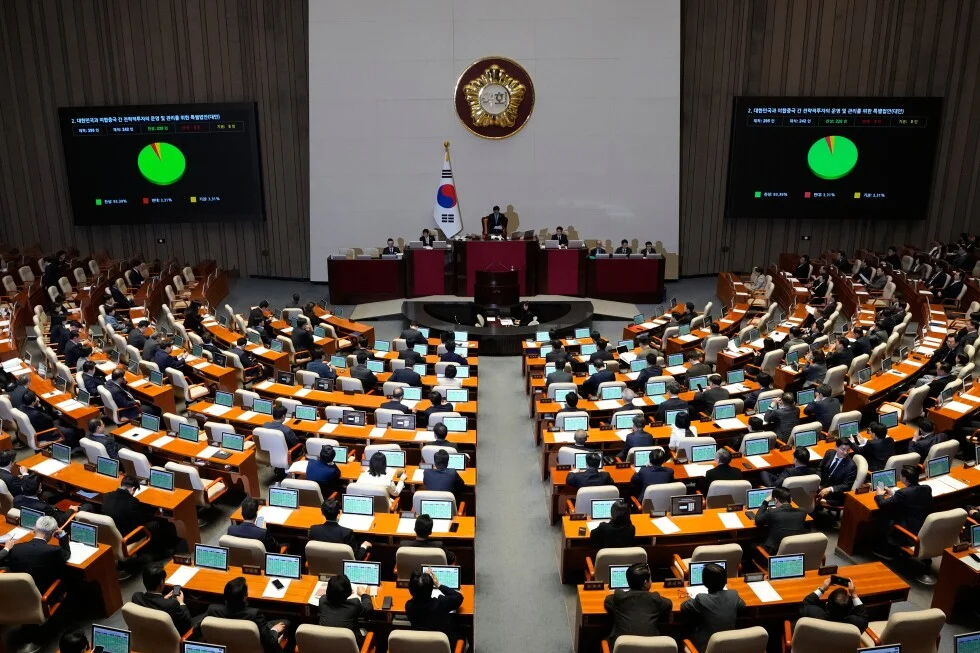
South Korea's National Assembly passed a law establishing a governance framework to implement Seoul's pledge to attract about $350 billion in U.S. investments, creating oversight and mechanisms to steer the plan.

Tokyo Gas plans to invest in US downstream assets like liquefaction plants and export terminals to boost earnings and strengthen its energy supply chain, allocating around $2.2 billion for overseas investments over the next three years, with a focus on developing shale gas assets and expanding its US operations amid favorable market conditions driven by increased demand for gas-fired electricity.
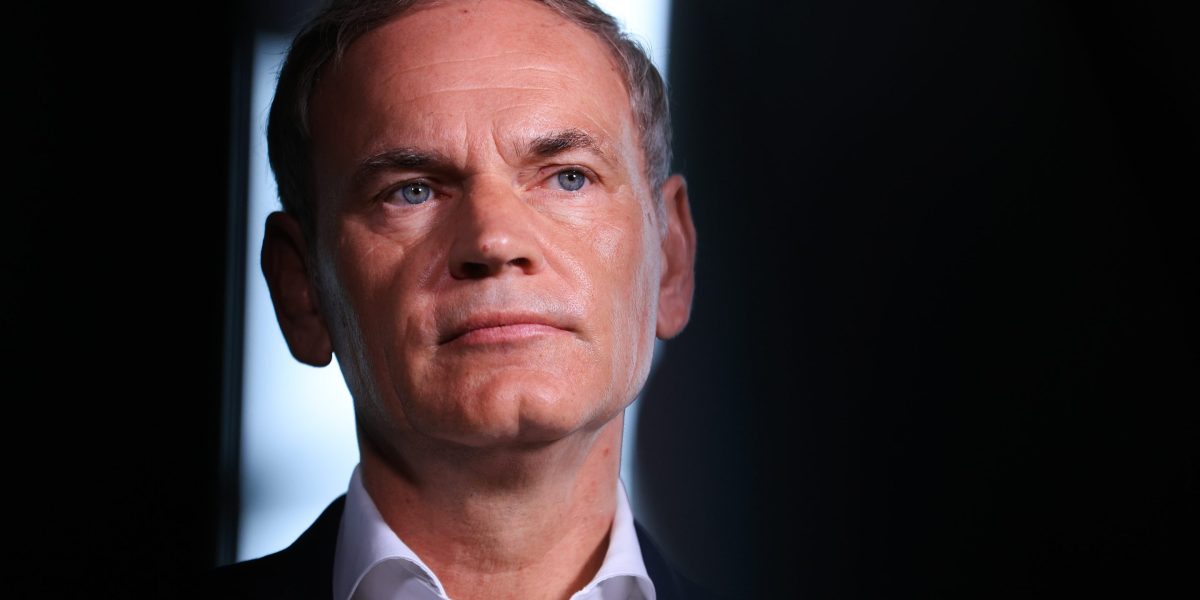
Volkswagen's CEO Oliver Blume is seeking to negotiate tariff exemptions with the Trump administration by offering over $10 billion in U.S. investments, aiming for a deal that offsets tariffs dollar-for-dollar, amidst ongoing trade tensions and tariff hikes that have significantly impacted Volkswagen's profitability and guidance.
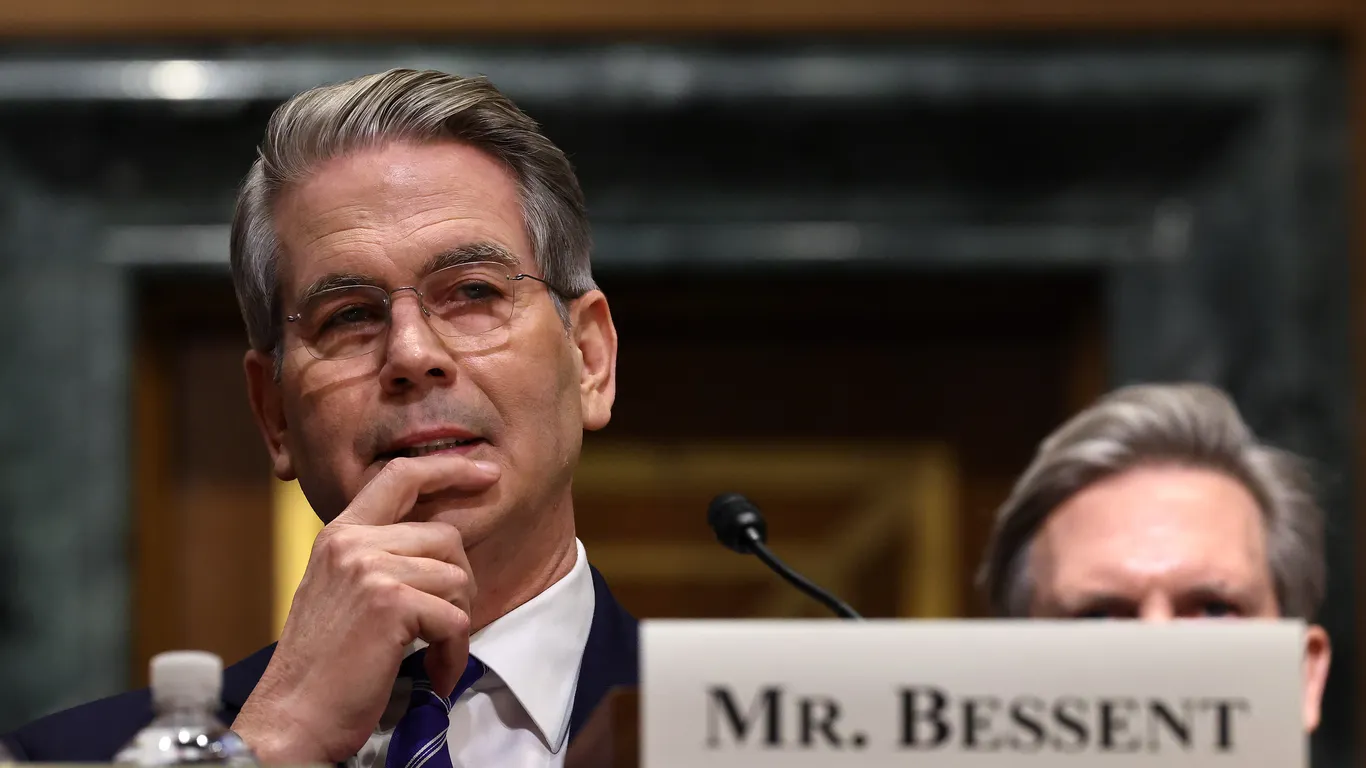
Treasury Secretary Scott Bessent has requested the removal of the controversial 'revenge tax' provision, known as Section 899, from the 'big, beautiful bill' after reaching a deal with G7 countries on global corporate taxes, aiming to prevent it from hindering foreign investment in the U.S.
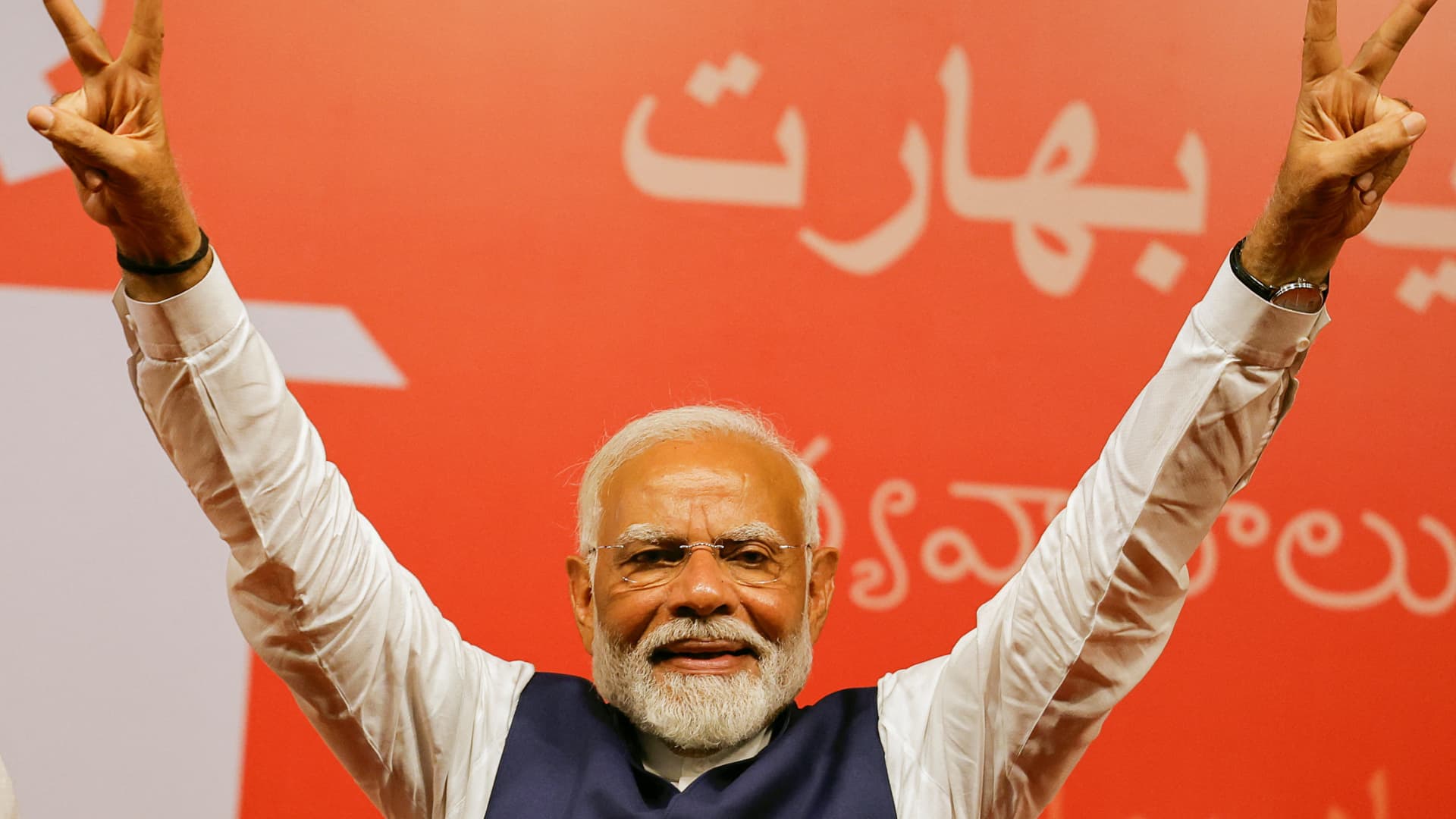
Indian Prime Minister Narendra Modi's failure to secure a supermajority in the recent elections has caused significant concern among business executives and investors, both domestically and internationally. The unexpected results have led to a sharp decline in the Indian stock market and raised questions about the future of Modi's economic reforms. U.S. companies, heavily invested in India as an alternative to China, may need to adjust their expectations. Despite the political setback, experts believe India's long-term economic potential remains strong, though the pace of reforms may slow under a coalition government.