Senegal lawmakers elect ousted PM Sonko as National Assembly speaker
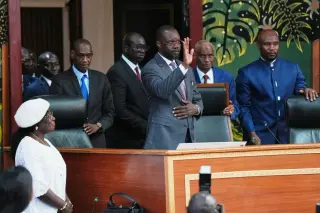
Senegal's lawmakers defied the president by electing ousted prime minister Ousmane Sonko as President of the National Assembly in Dakar.
All articles tagged with #national assembly

Senegal's lawmakers defied the president by electing ousted prime minister Ousmane Sonko as President of the National Assembly in Dakar.

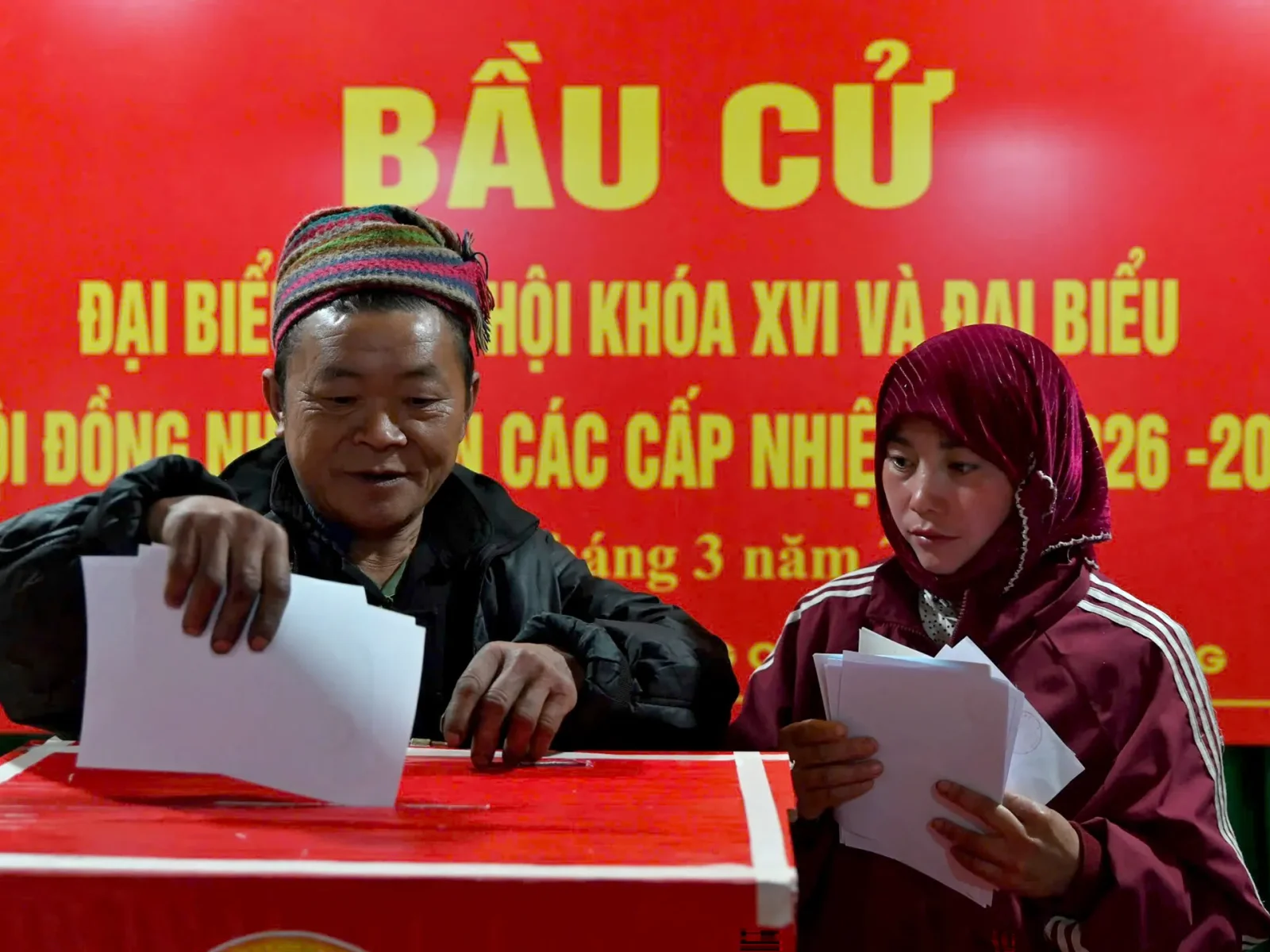
Vietnam is voting for the National Assembly, with 864 candidates of whom about 93% are Communist Party members and 7.5% independents. The ruling party dominates the 500-seat parliament (and holds about 97% of seats overall). Over 73 million voters are electing National Assembly members and local representatives, with results due March 23 and an early-April opening session to approve top leaders such as the president and prime minister. While many citizens hope for modernization, some express skepticism that the election will alter daily life in this one-party state.

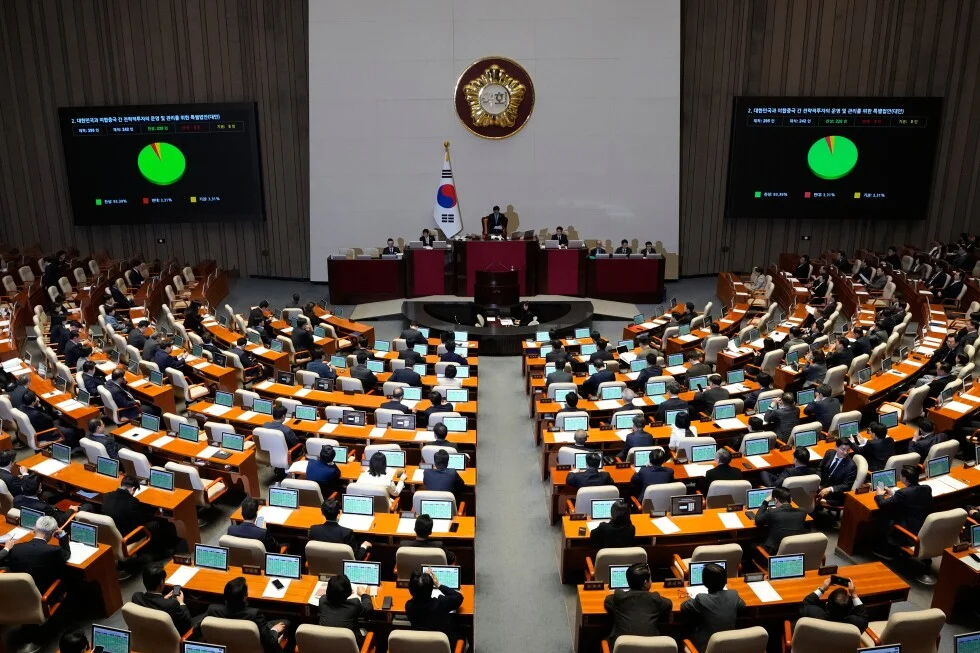
South Korea's National Assembly passed a law establishing a governance framework to implement Seoul's pledge to attract about $350 billion in U.S. investments, creating oversight and mechanisms to steer the plan.

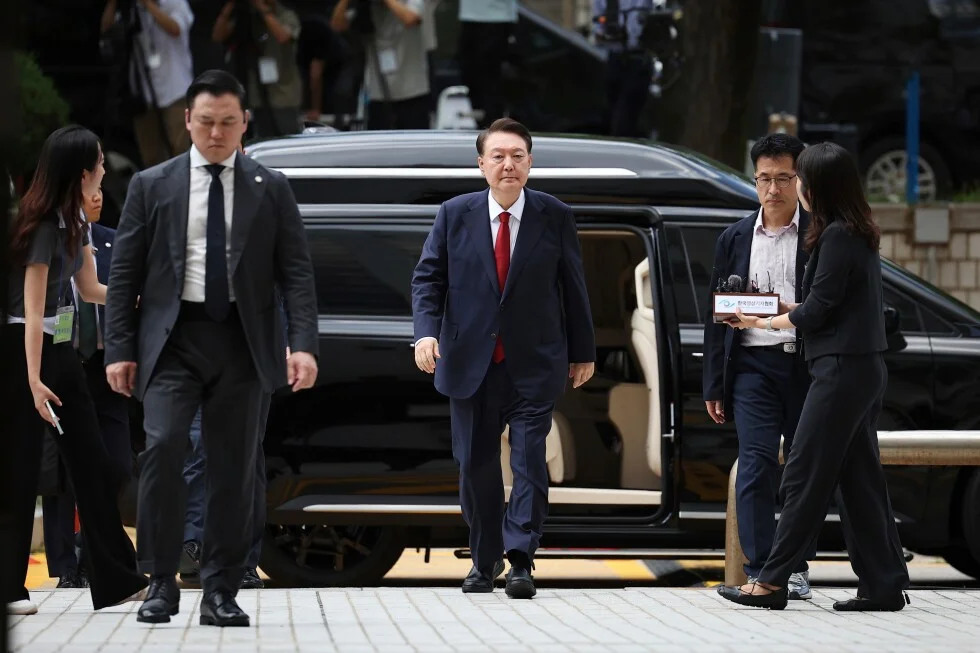
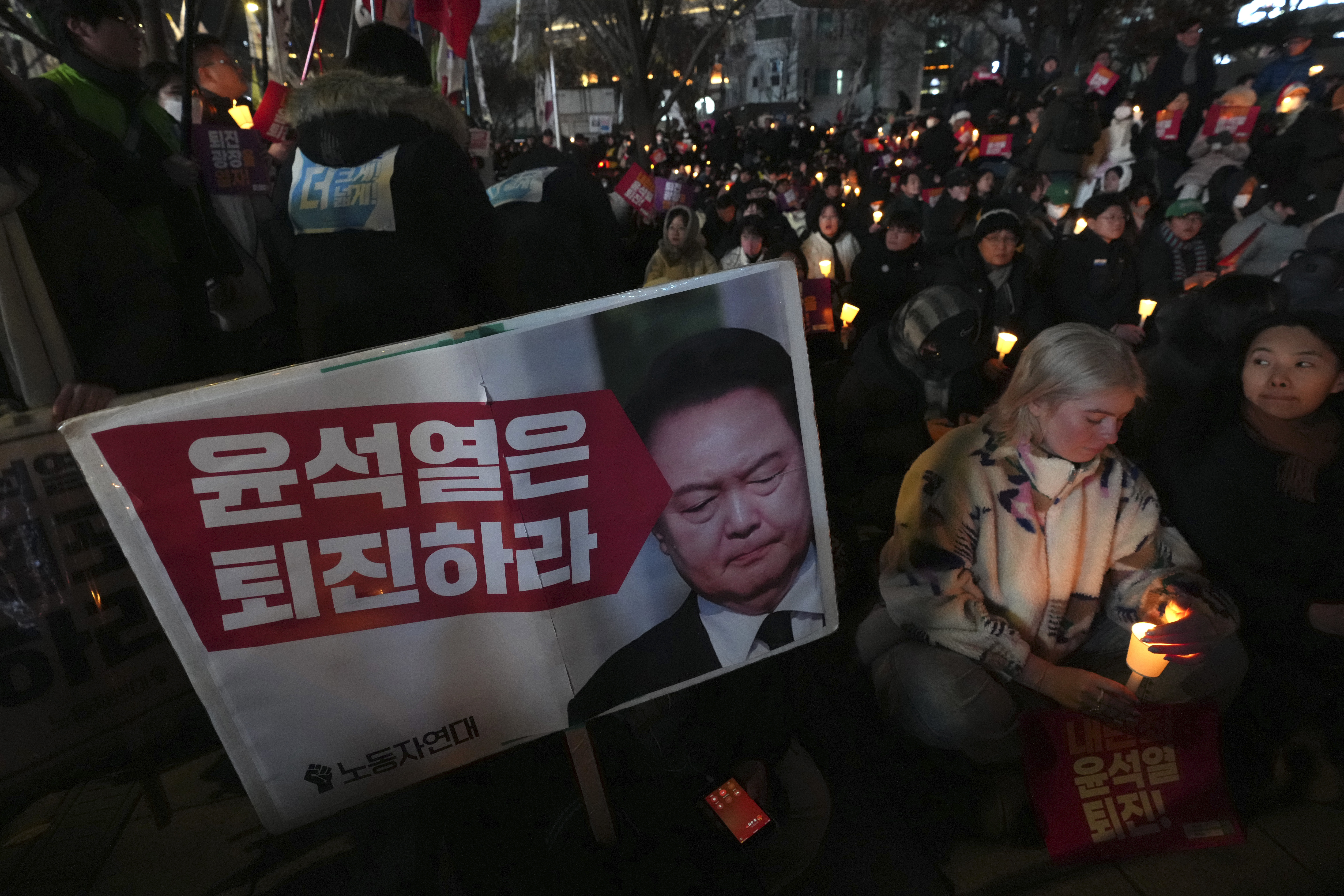
Former South Korean President Yoon Suk Yeol was sentenced to life in prison for rebellion after declaring martial law and dispatching troops to surround the National Assembly in December 2024; the six-hour decree failed to stop lawmakers, Yoon was impeached and removed, and several officials were also convicted in related cases as Korea grapples with its biggest political crisis in decades.

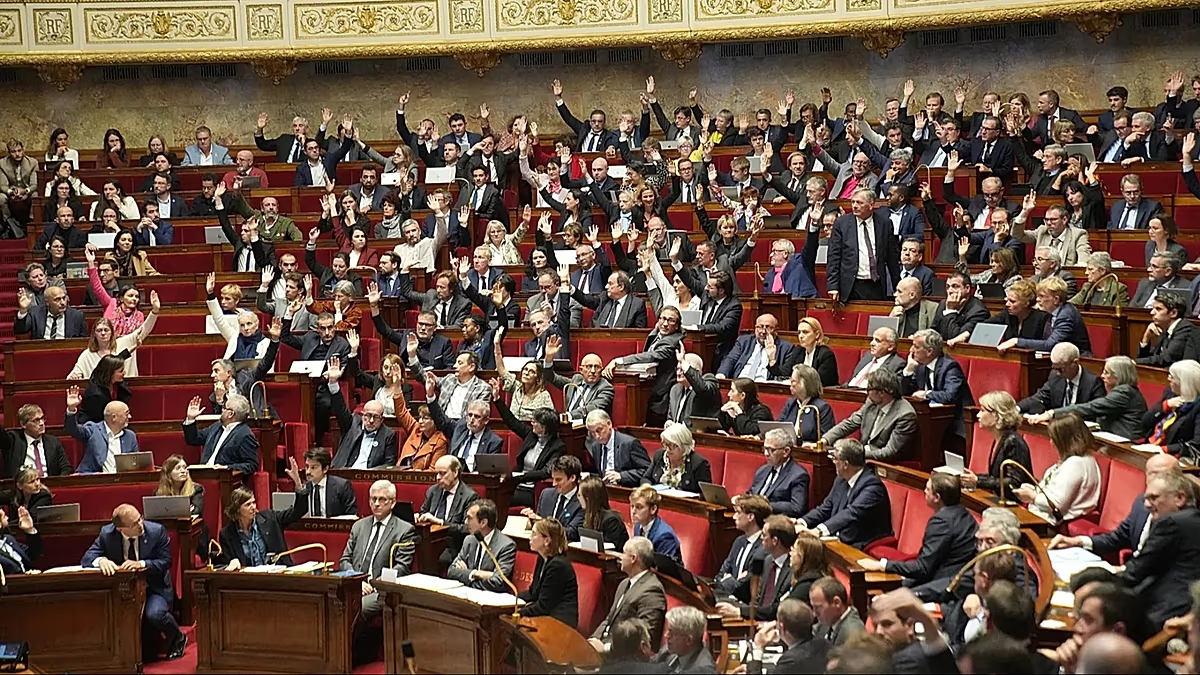
France's National Assembly approved a measure to suspend controversial pension reforms, including a plan to raise the retirement age, as part of broader budget negotiations amid political turmoil and economic challenges, such as a high public deficit and government instability.

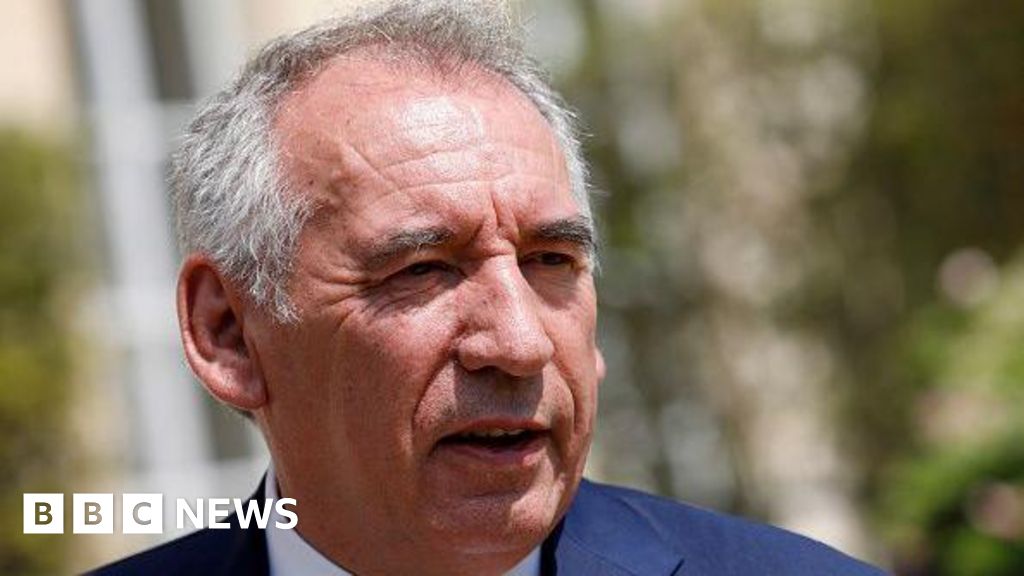
François Bayrou, a respected centrist politician, has been appointed by President Macron to navigate France's governmental crisis, characterized by a deadlocked National Assembly. Despite his experience and cross-party respect, Bayrou faces significant challenges, including forming a new government and drafting a 2025 budget amidst potential opposition from both the left and far-right. His ability to build coalitions and avoid the pitfalls that led to his predecessor's downfall will be crucial in determining his success.

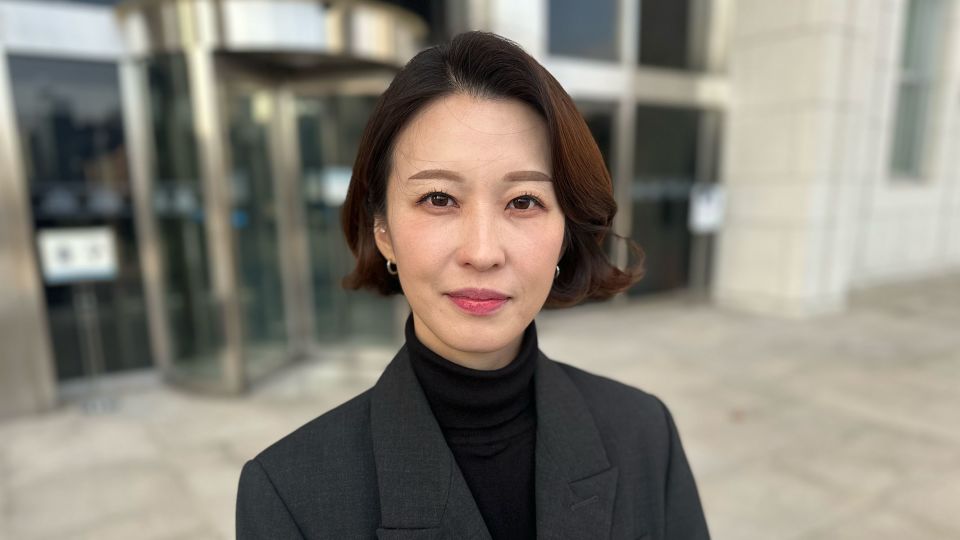
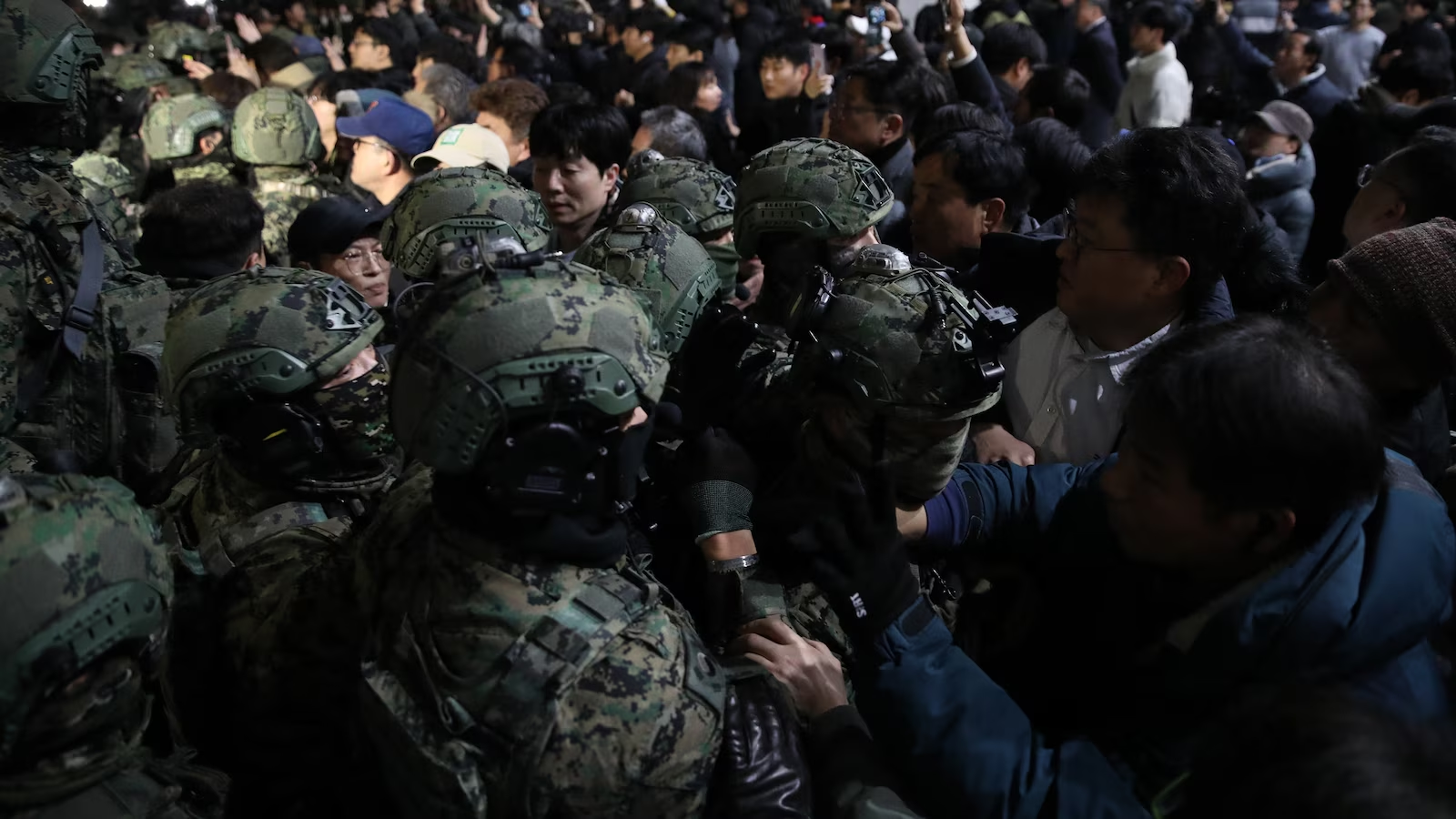
South Korean politician An Gwi-ryeong confronted armed soldiers outside the National Assembly, claiming she was the "last line" of defense against martial law declared by President Yoon Suk Yeol. The dramatic scene, captured on video, showed An grappling with a soldier's gun as lawmakers attempted to vote against the martial law order. The decree was lifted after a successful vote, but concerns about the state of democracy in South Korea remain, with potential impeachment proceedings against Yoon underway.

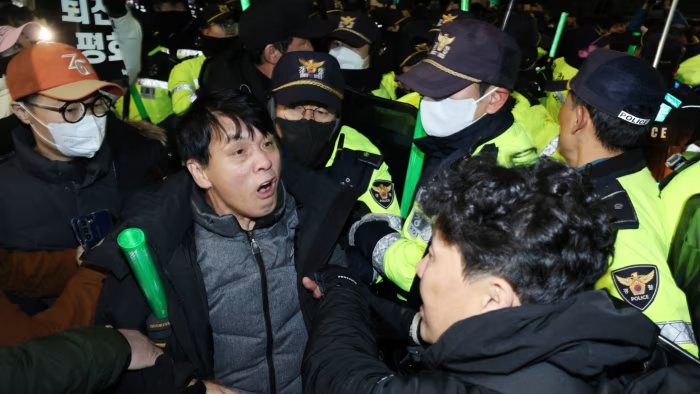
South Korean President Yoon Suk Yeol declared martial law, citing threats from North Korea and accusing opposition forces of destabilizing the country. This led to widespread protests and a tense standoff at the National Assembly, where lawmakers, aided by public support, convened to vote against the martial law. The vote passed unanimously, forcing Yoon to retract his declaration and withdraw military forces.

South Korean President Yoon Suk Yeol has decided to retract his declaration of martial law, which he had announced to address "anti-state forces" and restore normalcy. This decision comes after unanimous rejection from the national assembly and signals a de-escalation of the political crisis. Troops deployed for martial law enforcement have been withdrawn, and the formal lifting of military rule is pending cabinet approval.

South Korean President Yoon Suk Yeol declared and then withdrew martial law after the National Assembly voted to lift it, following his accusations against the liberal opposition of paralyzing the government and sympathizing with North Korea. The declaration, which marked the first since 1987, was met with domestic and international concern, including from the U.S. government. Yoon's decision was part of a broader political conflict with the opposition over budget and governance issues.

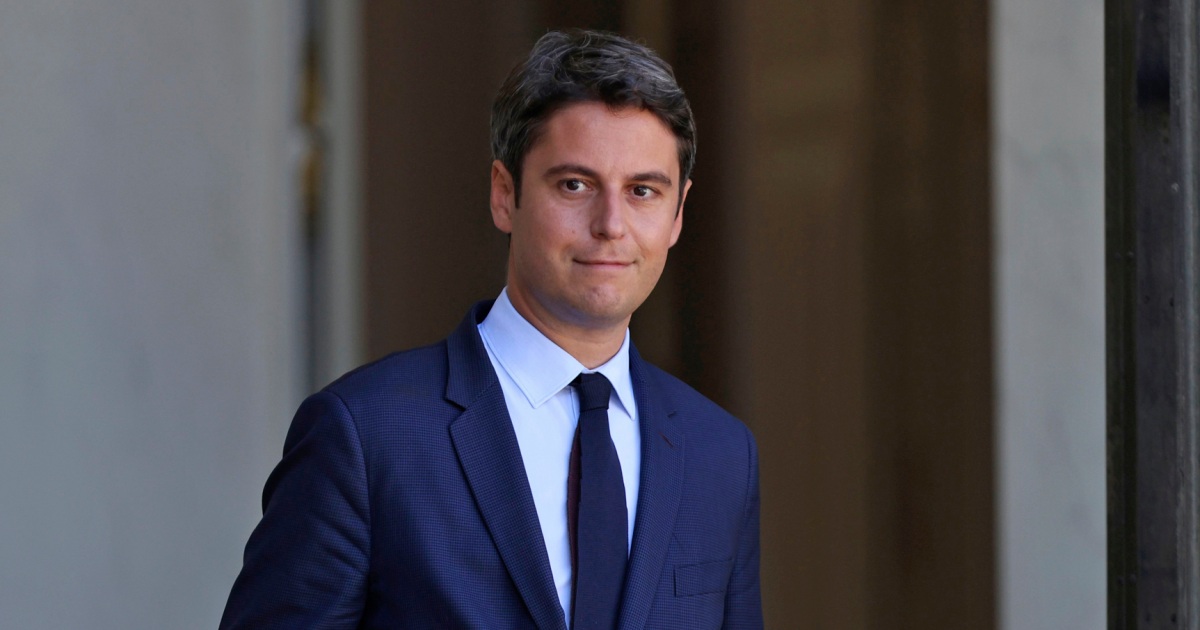
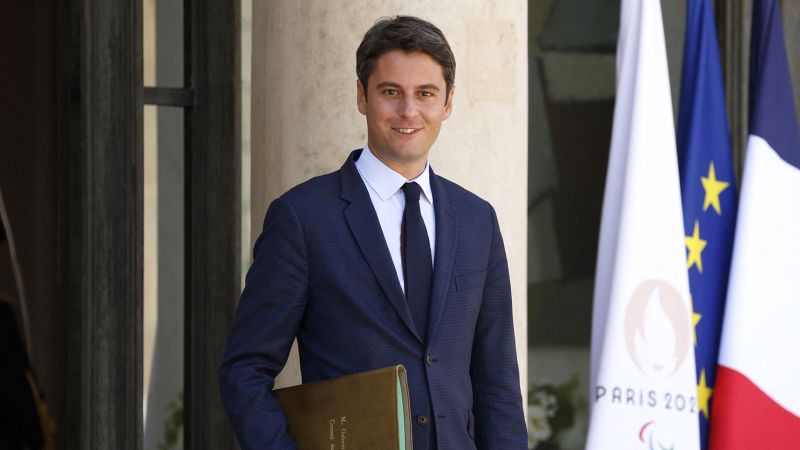
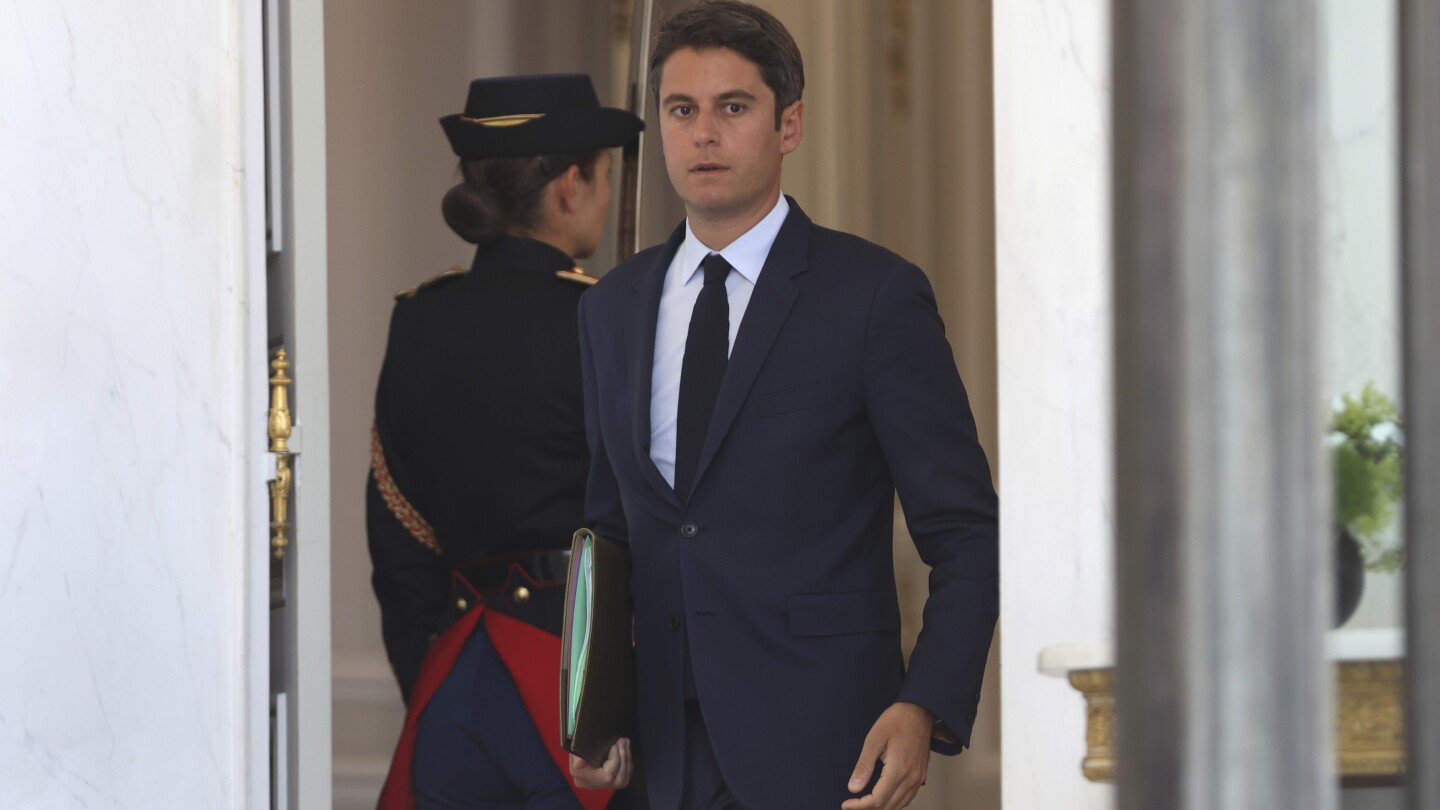
French President Emmanuel Macron accepted Prime Minister Gabriel Attal's resignation but retained him as head of a caretaker government amid a political deadlock following parliamentary elections. The caretaker government will manage day-to-day affairs until a new government is appointed. The National Assembly is divided among three major political groups, complicating the formation of a new government.

French President Emmanuel Macron has accepted the resignation of Prime Minister Gabriel Attal and his government but asked Attal to remain as a caretaker until a new cabinet is appointed. This follows the defeat of Macron's centrist alliance in the recent parliamentary elections, leading to a hung parliament and political uncertainty. The National Assembly is set to elect its president, and the largest bloc, the left-wing New Popular Front, has yet to put forward a prime ministerial candidate. Macron may consider a technocratic government if no clear successor emerges.

French President Emmanuel Macron accepted Prime Minister Gabriel Attal's resignation but retained him as head of a caretaker government amid political instability following recent parliamentary elections. The caretaker government will manage day-to-day affairs until a new government is appointed. The National Assembly is divided among three major political groups, complicating the formation of a new government. The leftist coalition is internally conflicted over selecting a new prime minister, while the far-right criticizes Macron's decision to keep Attal.

France is in political turmoil after President Emmanuel Macron dissolved the National Assembly and called for snap legislative elections, resulting in a hung parliament. The far-left New Popular Front (NFP) emerged as the largest bloc, while Marine Le Pen's National Rally (RN) and Macron's Ensemble coalition fell short of a majority. The situation has led to uncertainty and strife, with no clear path to forming a stable government, and Macron facing criticism for his decision.

South Africa's ruling African National Congress (ANC) won 159 out of 400 seats in the National Assembly, losing its outright majority for the first time since the end of apartheid. The Democratic Alliance came second with 87 seats, while the new party uMkhonto we Sizwe, backed by former president Jacob Zuma, secured 58 seats. The ANC is open to forming a coalition government.