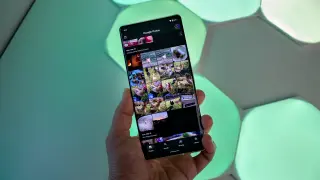
Google Photos on Android now lets you speed up or slow down videos (0.5x to 2x) inside the app; the feature is rolling out gradually and isn’t yet available on iOS, addressing a long-standing gap in the gallery app.
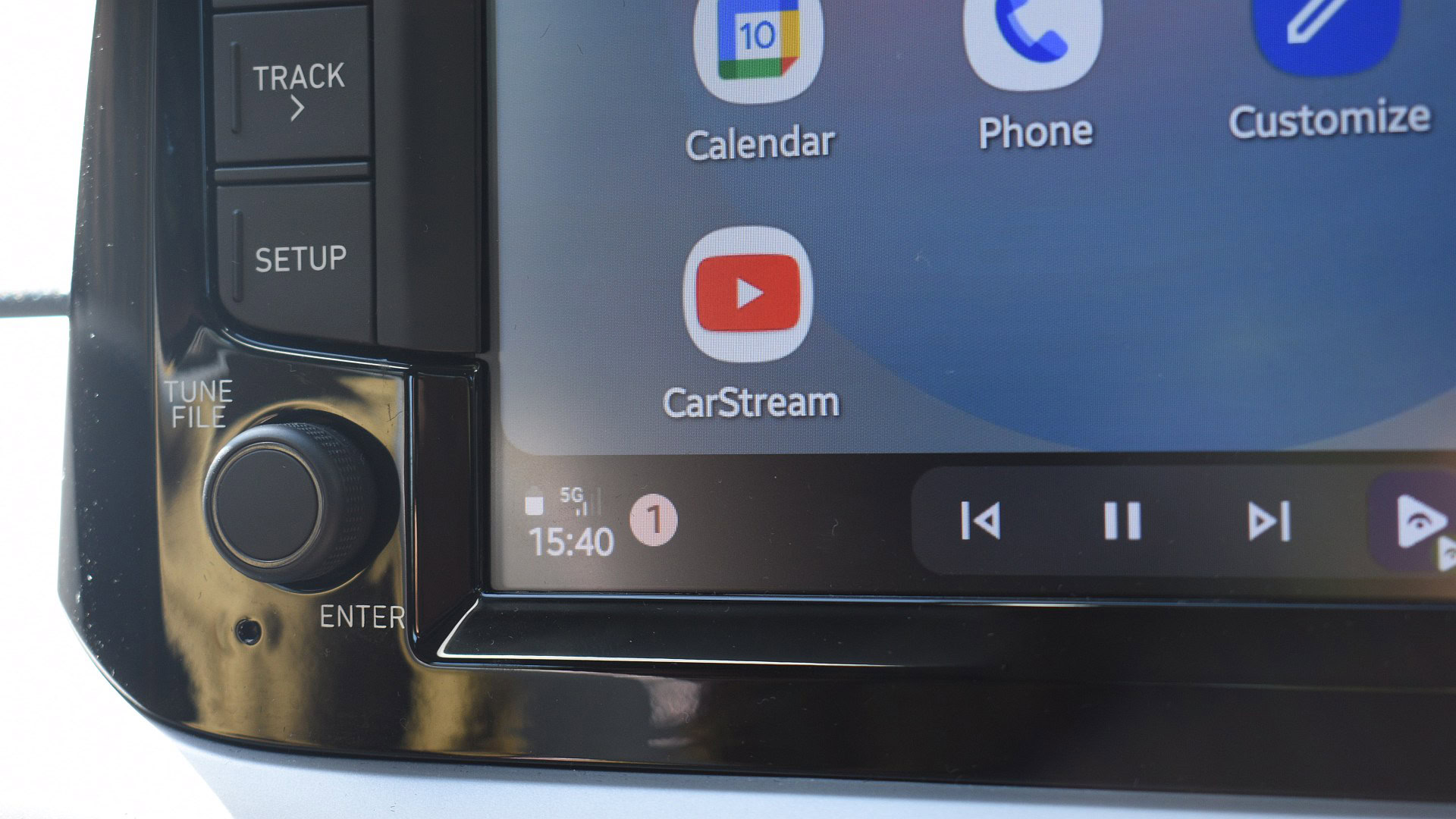
Android Auto does not officially support video playback, but users have attempted third-party solutions like CarStream and Fermata Auto, which face compatibility issues with newer Android versions and require workarounds. Overall, watching videos on Android Auto is complicated and not recommended, with better options being to wait for official support or use other methods for audio streaming.
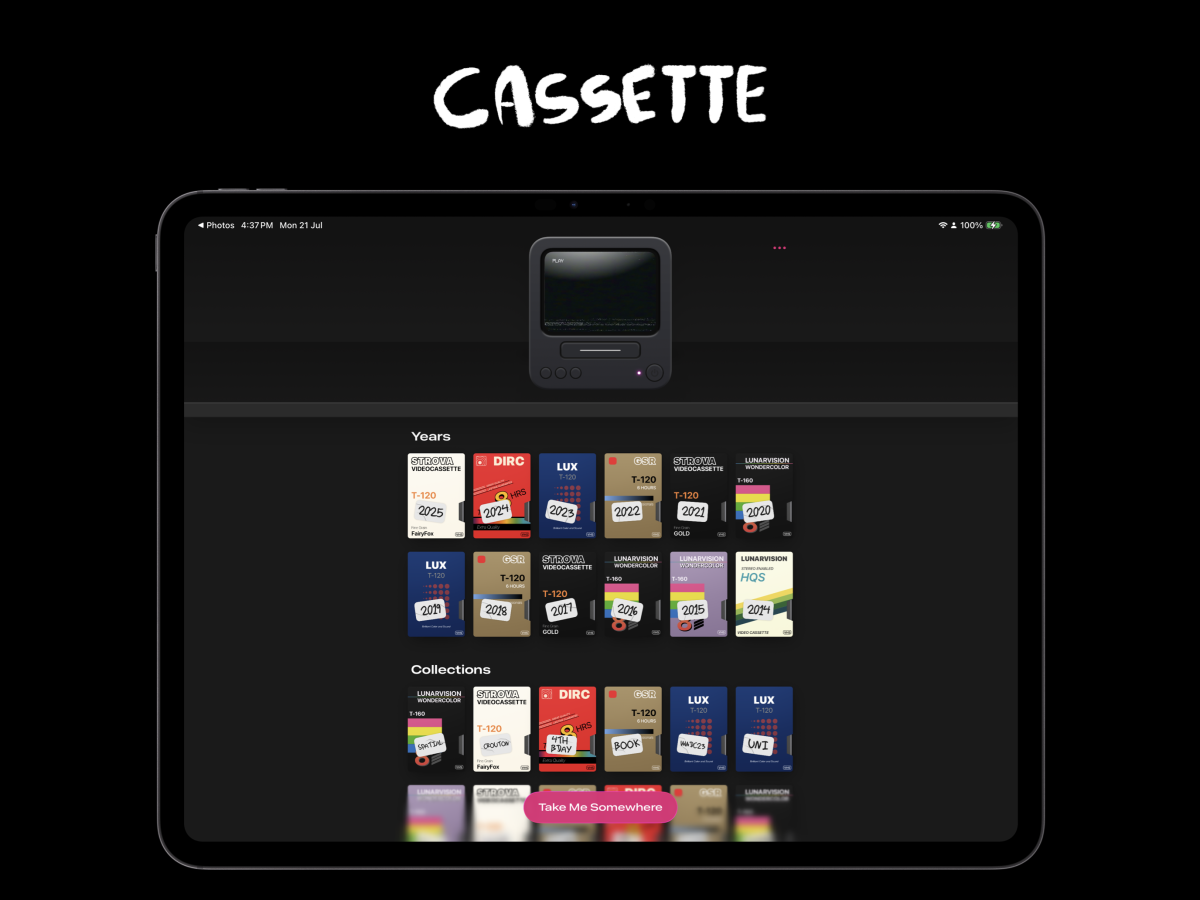
Cassette is an iOS app that transforms your personal videos into retro VHS-style home movies, offering a nostalgic viewing experience with a simple interface and optional premium features, inspired by the desire to recreate the feel of watching old family tapes on modern devices.
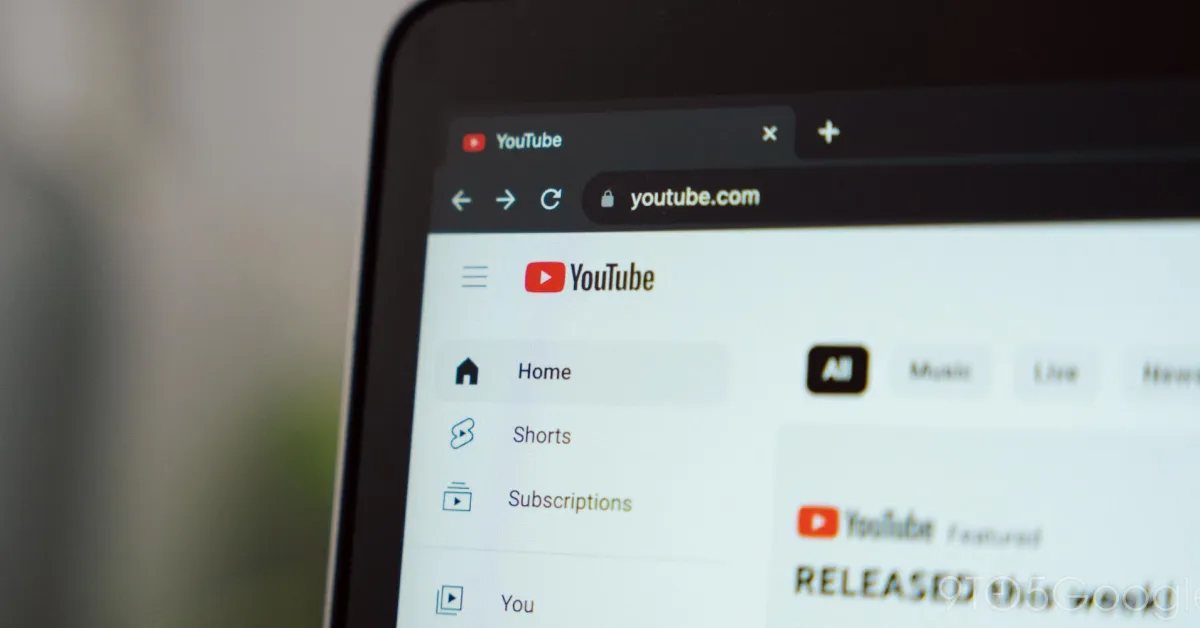
YouTube videos are skipping to the end for users with ad blockers, a phenomenon that YouTube attributes to a push to improve performance rather than an intentional crackdown on ad blockers. This issue primarily affects users of AdBlock, though some without ad blockers have also reported it. YouTube reiterates that using ad blockers violates its terms of service and encourages users to allow ads or try YouTube Premium.
YouTube videos are skipping to the end for users with ad blockers, a phenomenon that YouTube attributes to a push to improve performance rather than an intentional crackdown on ad blockers. This issue primarily affects users of AdBlock, though some reports exist of it happening without ad blockers. YouTube reiterates that using ad blockers violates its terms of service and encourages users to allow ads or try YouTube Premium.
YouTube is testing a new feature for YouTube Premium subscribers that allows them to easily watch videos at 2x speed by long-pressing on the video player, eliminating the need for multiple steps to adjust playback speed. The feature is similar to TikTok's long-press option and is available for testing until August 13th.
YouTube is conducting an experiment to limit the usage of ad blockers by asking users to disable them or purchase a premium subscription after watching three videos. Users have reported receiving warning messages and having their video playback blocked if they continue to use ad-blocking extensions. YouTube stated that this experiment is aimed at encouraging viewers to allow ads or try YouTube Premium, and in extreme cases, it may disable playback for users who don't comply. This is not the first time YouTube has experimented with pushing users towards premium subscriptions, as it previously tested paid plans for 4K videos and unskippable ads.
YouTube is conducting a global experiment that prompts viewers using ad blockers to either allow ads on YouTube or subscribe to YouTube Premium. The company argues that ad spots are crucial for compensating creators and maintaining a free platform. Viewers will receive multiple warnings before their video playback is disrupted, and they can provide feedback if they believe they have been falsely flagged. YouTube has been testing heavier ad loads in recent years and aims to steer more users towards its subscription service, YouTube Premium, which offers an ad-free experience.