Tag

Warm Freshwater

All articles tagged with #warm freshwater

CDC map highlights Texas and Delaware as top U.S. Naegleria fowleri infections
health21 days ago

CDC map highlights Texas and Delaware as top U.S. Naegleria fowleri infections

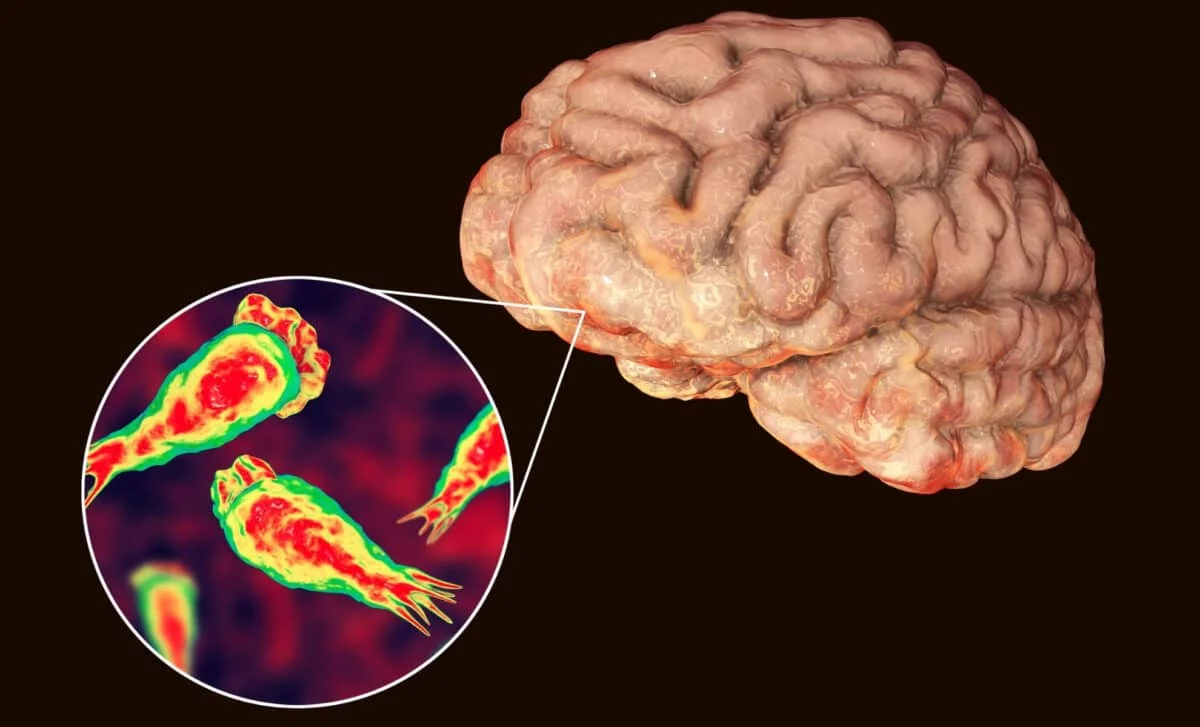
CDC data show 180 US cases of Naegleria fowleri from 1937–2025, with Texas and Delaware reporting the most exposures; infections are rare but deadly, usually linked to warm freshwater, including recent cases in a Louisiana child and a North Carolina teen. Preventive tips include nose clips or pinching the nose, avoiding digging in shallow water, and keeping the head above water in hot springs.

North Carolina teen dies from rare brain-eating amoeba linked to warm freshwater
science1 month ago

North Carolina teen dies from rare brain-eating amoeba linked to warm freshwater

A North Carolina teenager has died after contracting Naegleria fowleri, a rare brain-eating amoeba found in warm freshwater. Primary amebic meningoencephalitis (PAM) progresses rapidly and is usually fatal within about five days of symptoms; health officials are investigating possible exposure sources. The US typically sees fewer than 10 PAM cases annually, and a separate case in Louisiana involved an eight-year-old girl who died from the same infection.

NC Teen Dies From Rare Brain-Eating Amoeba Linked to Warm Freshwater
health1 month ago

NC Teen Dies From Rare Brain-Eating Amoeba Linked to Warm Freshwater

A North Carolina teenager died after contracting Naegleria fowleri, a rare brain-eating amoeba found in warm freshwater; health officials are investigating potential exposure sources, and the CDC notes the infection is extremely rare and usually fatal. Symptoms progress quickly, and officials advise precautions such as nose clips and using boiled or distilled water for nasal rinses to reduce risk.

Rare brain-eating amoeba kills NC teen amid summer water risk
health1 month ago

Rare brain-eating amoeba kills NC teen amid summer water risk

A North Carolina teen died from primary amebic meningoencephalitis caused by Naegleria fowleri, a rare brain-eating amoeba found in warm freshwater. Infection typically occurs when water containing the amoeba is forced up the nose during swimming, leading to a rapidly progressing brain infection with a near-100% mortality rate. Prevention centers on avoiding high-risk waters or using nose clips, while treatment involves antimicrobial/anti-amoebic drug combinations with limited success; the case follows a recent Louisiana death from the same infection.

NC Teen Faces Rare Brain Amoeba Infection from Warm Freshwater
health1 month ago

NC Teen Faces Rare Brain Amoeba Infection from Warm Freshwater

A central North Carolina teen is critically ill with primary amebic meningoencephalitis caused by Naegleria fowleri, a rare brain infection linked to warm freshwater. The illness progresses rapidly and is often fatal; the source is under investigation, and officials advise precautions such as nose clips and avoiding high-risk water activities to reduce risk.

North Carolina Teen in Critical Condition from Rare Brain-Eating Amoeba
health1 month ago

North Carolina Teen in Critical Condition from Rare Brain-Eating Amoeba

A central North Carolina teenager is critically ill with primary amebic meningoencephalitis caused by Naegleria fowleri, typically contracted when contaminated water enters the nose in warm freshwater. The infection is extremely rare and usually fatal, with symptoms like headache, fever, nausea and stiff neck that can progress to seizures and coma. Health officials advise precautions such as nose clips or holding the nose, keeping the head above water, avoiding diving in warm waters during hot periods, and not stirring up lake sediment; the amoeba is not typically found in saltwater or properly chlorinated pools.

Heat Boosts Brain-Eating Amoeba Threat in Global Waters
science8 months ago

Heat Boosts Brain-Eating Amoeba Threat in Global Waters

Rising temperatures expand Naegleria fowleri’s habitat in warm freshwater, raising the global risk of deadly infections that occur when contaminated water enters the nose. Infections are rare but highly fatal (about 95–99%). Prevention centers on avoiding nasal exposure (no submerging the head, nose clips), using sterile or boiled water for nasal rinsing, and maintaining proper chlorination and flushing of water systems, as climate change broadens the amoeba’s range in recreational waters.