
"Winter's Paradox: Understanding the Warming-Cold Duality"
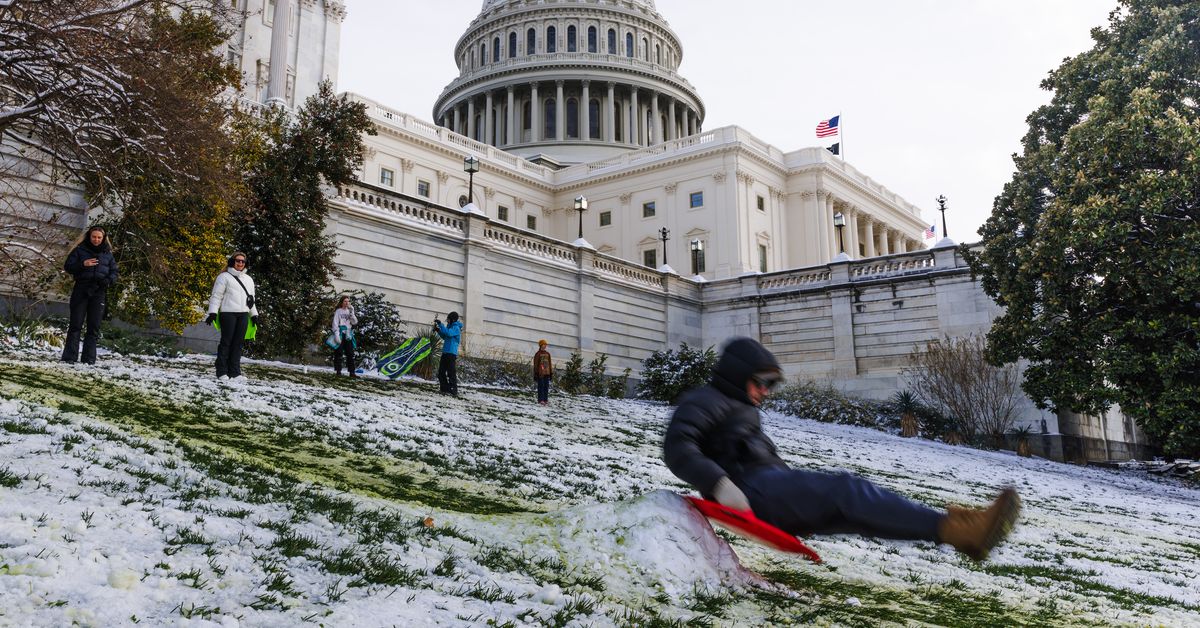
Despite the current freezing temperatures in the United States, winters are actually getting warmer due to the impact of climate change. The bottom of the temperature scale is rising faster than the top, leading to fewer freezing days and nights in many locations. This trend is attributed to the disproportionate response of cold seasons to heat-trapping gases, resulting in more rain than snow in some areas and disrupting the timing of plant growth. Warmer winters have far-reaching effects on agriculture, food production, and ecosystems, as seen in the threat to Georgia's iconic peach harvests. The loss of cold weather also impacts water resources, contributing to weather extremes and amplifying warming through the spring and summer.