In October, Japanese players favored Ghost of Yōtei on PS5, topping the charts in Japan, while Battlefield 6 led in the West. Other popular titles varied by region, highlighting different gaming preferences across markets.
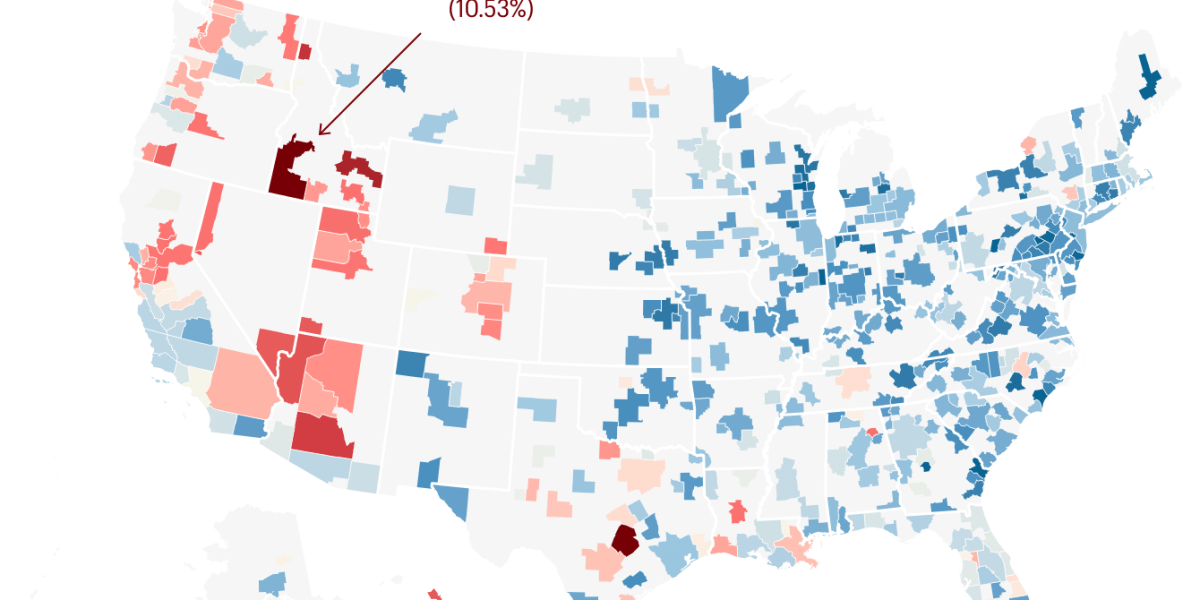
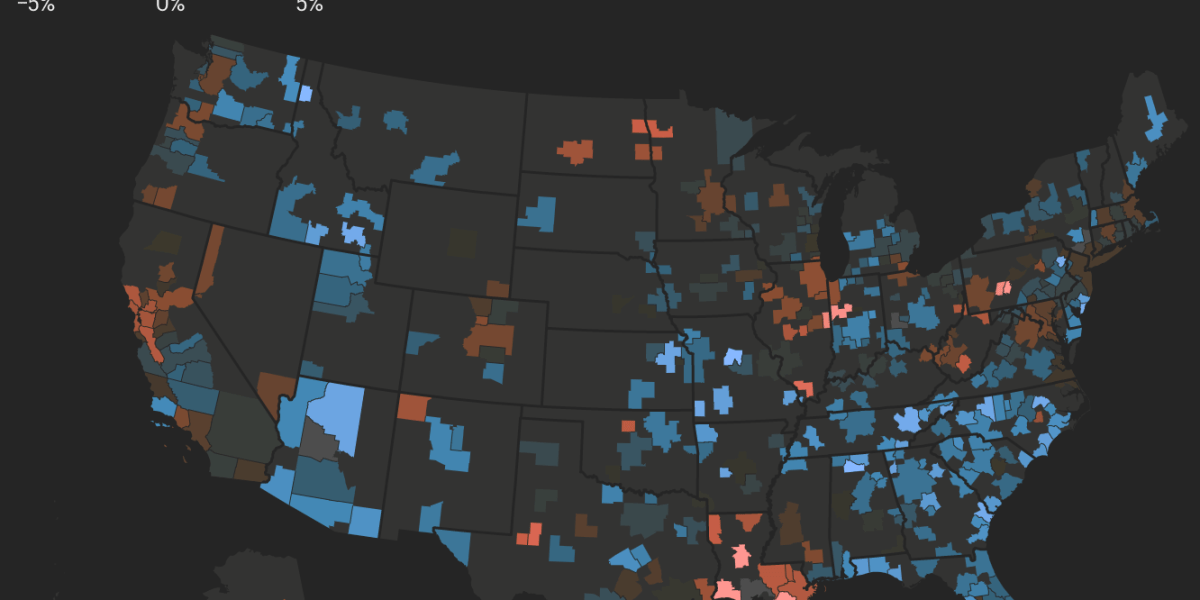
The housing market in the United States has shown a significant divide over the past year, with some regions experiencing a decline in home prices while others continue to boom. The 10 markets with the highest price increases are mainly located in the eastern half of the country, while the 10 markets with the most significant declines are predominantly in the western region, Texas, and Hawaii. The divide can be attributed to the sensitivity of Western markets to interest rates, as well as the frothy home prices resulting from a housing shortage and tech boom. While some experts believe that home prices have bottomed, others predict further declines as the market enters the seasonally weaker window. The latest forecast by Freddie Mac predicts a 2.9% decrease in house prices this year and a 1.3% decrease in 2024.
Western sanctions have blocked exports of Russian gold to London and other major gold trading hubs, leading to a surge in exports to the United Arab Emirates, which received 75.7 metric tons of Russian gold worth $4.3 billion in the year after Russia invaded Ukraine. China and Turkey imported around 20 tons of Russian gold each during the same period. Experts warn that the Russian gold could end up being sold to Western markets with its origin disguised, posing a risk to buyers wishing to respect sanctions against regimes.
Zillow's latest forecast predicts that 294 out of the 400 largest housing markets in the US will see positive home price growth between March 2023 and March 2024, while 102 markets will experience a decline. The housing correction has lost steam, and Zillow expects US home values to rise 1.7% during this period. The biggest home price upticks are expected in the Southeast, while the majority of down markets are located in the Western half of the country, which has overheated home prices that are vulnerable to mortgage rate spikes.