
Tag

Who Guidelines

All articles tagged with #who guidelines

WHO Issues First Global Guidelines for Adult Type 1 Diabetes to Bridge Access Gaps
health8 days ago

WHO Issues First Global Guidelines for Adult Type 1 Diabetes to Bridge Access Gaps

The World Health Organization has released its first-ever guidelines for diagnosing and managing type 1 diabetes in adults, aiming to ensure affordable insulin and glucose monitoring for all by 2030. The recommendations emphasize multiple daily insulin injections, flexible monitoring methods including finger-prick and continuous sensors, and strategies for maintaining care in resource-limited or emergency settings. Released ahead of World Diabetes Day 2026, the guidelines address the fact that 9.5 million people globally live with the condition, despite insulin being available for over a century.
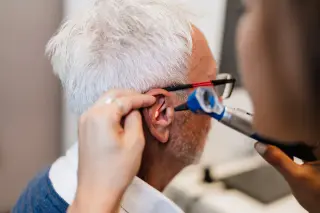

Gradual hearing decline linked to dementia risk and social isolation
health2 months ago

Gradual hearing decline linked to dementia risk and social isolation

Untreated hearing loss is a major modifiable risk factor for dementia, with the World Health Organization estimating that addressing it could prevent up to 7% of global cases. While symptoms like difficulty following conversations in noisy rooms or tinnitus often develop gradually, leading to delays in seeking help, early intervention through hearing aids can restore social connection and cognitive engagement. Experts emphasize that modern devices are discreet and effective, urging regular screenings to mitigate long-term cognitive decline.

WHO Shifts Dementia Strategy to Air Pollution and Systemic Care
health3 months ago

WHO Shifts Dementia Strategy to Air Pollution and Systemic Care

The World Health Organization (WHO) has updated its Global Action Plan on Dementia, emphasizing that individual lifestyle changes are insufficient to prevent cognitive decline. The new guidelines identify air pollution as a major risk factor, affecting 99% of the global population, and urge governments to implement systemic health reforms. While 57 million people currently suffer from dementia, the WHO states that up to 45% of risk is modifiable through multidomain interventions, including diet, social engagement, and environmental policy.

Frequent Ejaculation Linked to Healthier Sperm and IVF Benefits
science5 months ago

Frequent Ejaculation Linked to Healthier Sperm and IVF Benefits

A University of Oxford-led analysis of about 55,000 men and 30 non-human species finds sperm quality declines the longer sperm are stored, so more frequent ejaculation is linked to healthier sperm with less DNA damage, challenging the WHO-recommended seven-day abstinence and aligning with evidence that ejaculating within 48 hours before IVF improves outcomes; the study also notes species differences in how males and females maintain sperm quality, with female storage organs often better at preserving viability, suggesting implications for clinical fertility practice and animal breeding.

Governments urged to curb air pollution to cut cancer rates
health8 months ago

Governments urged to curb air pollution to cut cancer rates

The European Code Against Cancer now calls on governments to meet WHO outdoor air-quality guidelines, reduce indoor pollution, and phase out solid fuels, urging better urban planning, cleaner heating, and reduced traffic; if implemented, these measures could cut lung cancer deaths by more than 10% in Europe and lower risks for bladder, kidney and brain cancers linked to pollution.

"Uncovering the Hidden Link: Pollution's Connection to Brain Damage and Cancer"
health-and-environment2 years ago

"Uncovering the Hidden Link: Pollution's Connection to Brain Damage and Cancer"

PM2.5 pollution, a type of fine particulate matter, is estimated to cause nearly nine million premature deaths globally each year, with more than 90% of the world’s population living in places where air pollution exceeds WHO guidelines. This pollution is linked to serious health issues including cancer, altered brain development in children, stroke, heart disease, and respiratory infections. Surprisingly, wood burners contribute significantly to air pollution in Western cities. However, low-cost actions and the WHO's lowered standard for acceptable levels of fine particulate matter pollution are steps in the right direction to combat this global public health emergency.

"Exploring the Latest COVID Vaccines and Boosters: Who Should Receive Them?"
health3 years ago

"Exploring the Latest COVID Vaccines and Boosters: Who Should Receive Them?"

Health officials worldwide are planning to roll out booster jabs in the coming months to address waning immunity against SARS-CoV-2. However, the approach to booster campaigns is changing, with some countries restricting access to high-risk individuals and vulnerable populations. The protection provided by previous infection or vaccination, combined with low hospitalization and infection rates, has prompted officials to rethink who should receive boosters. Some countries argue for broad vaccination campaigns to protect vulnerable people, while others advocate for boosters to be administered to specific age groups. The World Health Organization (WHO) recommends routine boosters for high-risk groups but does not endorse routine boosters for healthy adults under 60 or healthy children. The uptake of boosters has decreased, leading officials to consider how to maximize the impact of COVID-19 boosters while managing limited resources.