GL.iNet has introduced what it calls the world’s first true tri-band Wi-Fi 7 travel router, promising faster speeds and better device handling across three bands for travelers, with OpenWrt-based firmware and built-in VPN support for secure, on-the-go connectivity.
ASUS ROG today unveiled the Crosshair 2006, a 20th‑anniversary, retro‑inspired high‑end motherboard built on the X870E Dark Hero platform. It features a 2‑inch OLED display on the primary M.2 slot for real‑time system info and custom images, a robust power design (20+2+2 phases) with ProCool II connectors, five M.2 slots (two PCIe 5.0), dual PCIe 5.0 x16 slots, WiFi 7, 10G/5G Ethernet, onboard USB4, a USB‑C front header with Quick Charge 4+, and the AIO Q‑Connector for streamlined liquid cooling. Aesthetics echo early ROG eras with premium cooling and copper‑style heatsinks, making it a flagship for enthusiasts who want vintage flair plus modern performance.
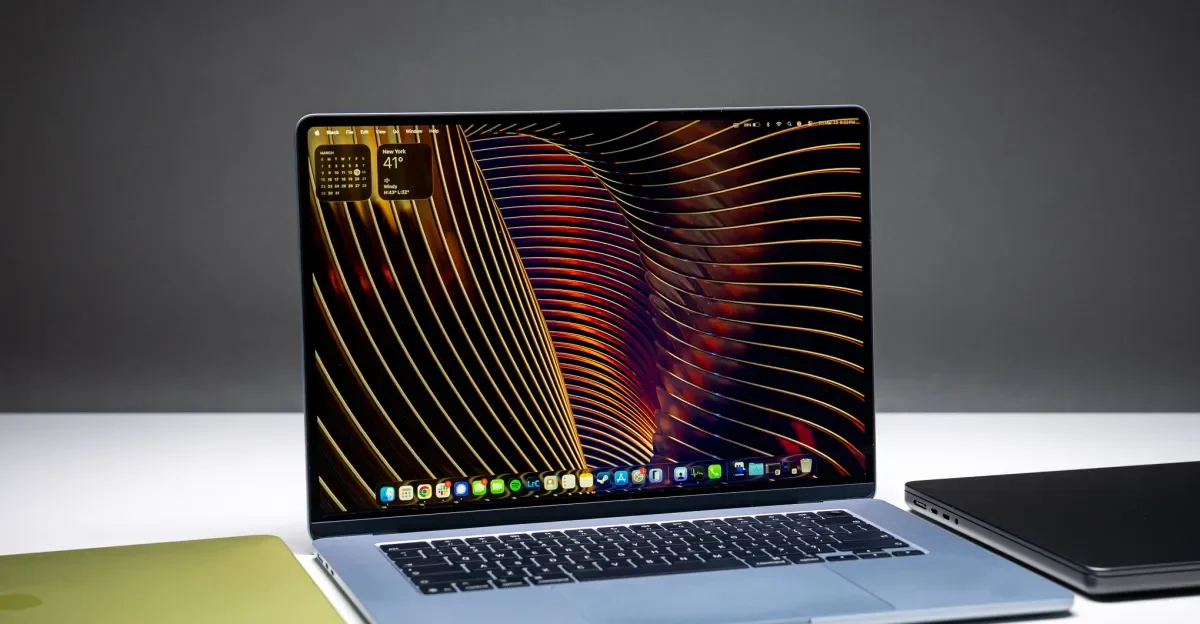
Apple’s 2026 MacBook Air M5 adds an M5 chip with a 10‑core CPU/GPU, faster storage and Wi‑Fi 7 to a familiar, slim 15‑inch chassis, delivering solid everyday performance and long battery life. The Air remains a best‑in‑class mid‑range option, but the new MacBook Neo offers a cheaper alternative, and the Pro line still targets heavier workloads; upgrade mainly if you’re on an older Mac or need futureproofing for demanding tasks.
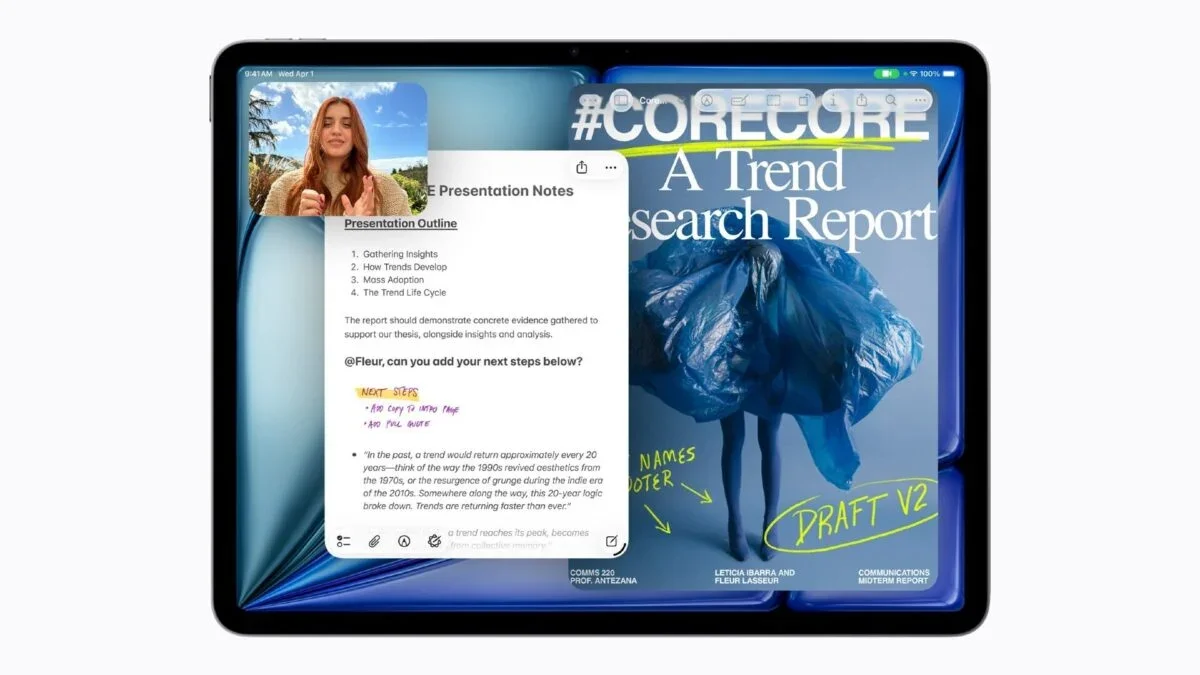
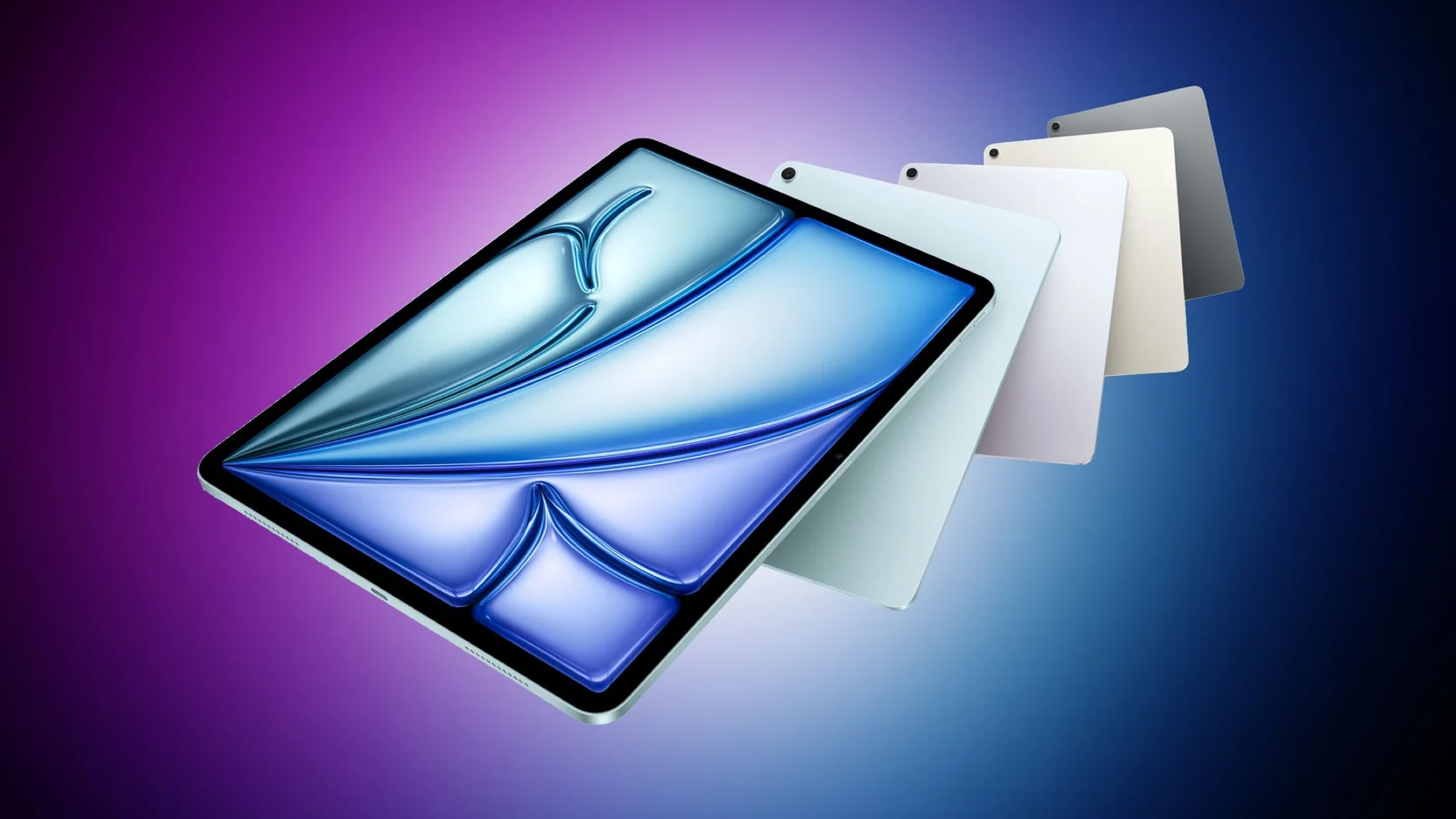
Apple’s iPad Air now uses the M4 chip with 12GB RAM and faster Wi‑Fi/cellular (N1/C1X) plus Wi‑Fi 7, while keeping the same starting prices ($599 for the 11-inch and $799 for the 13-inch); preorders begin March 4 and shipments start March 11.
Apple is expected to refresh the iPad Air with an M4 chip while keeping the current design and 11-inch/13-inch options. The iPad Air will continue to use LED displays, USB-C, and a Touch ID top button, with ProMotion and OLED reserved for the iPad Pro. The M4 brings up to 10 CPU cores (vs 8), faster Neural Engine, higher memory bandwidth, and roughly 30% CPU and 21% GPU speed gains. RAM increases aren’t confirmed. The new model is also anticipated to adopt Apple’s N1 networking chip for Wi‑Fi 7 and Bluetooth 6, and a C1X modem for cellular, with pricing staying around $599/$799. Launch could come ahead of Apple’s March 4 “Experience” event, potentially as soon as next week.
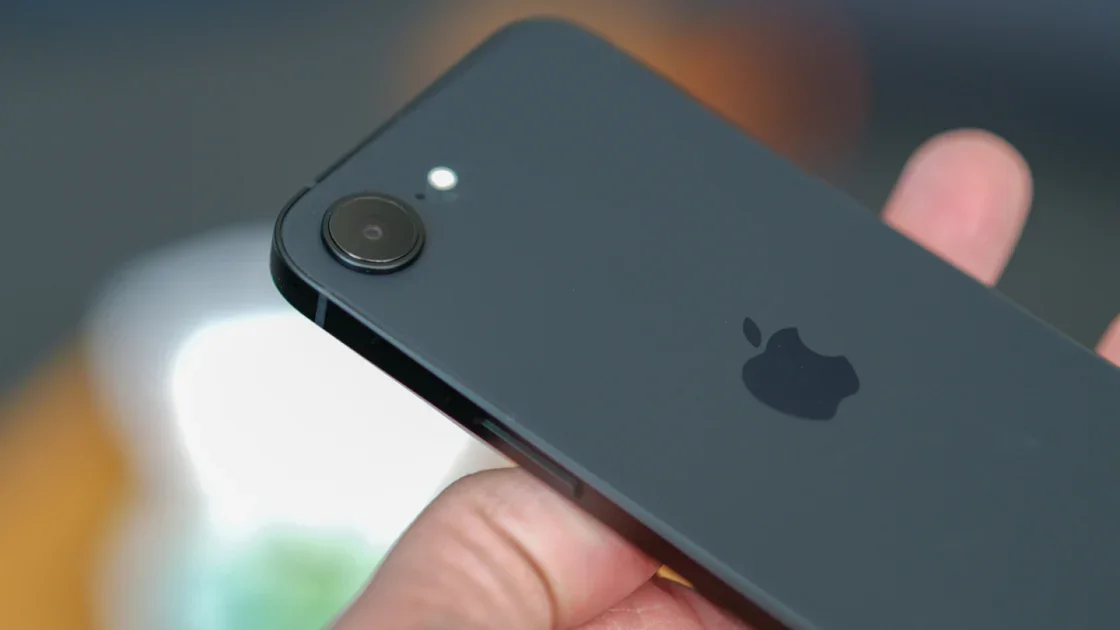
The iPhone 17e is tipped to keep the iPhone 16e’s design while introducing four major upgrades—an A19 chip, the C1X 5G/LTE modem, a Wi‑Fi 7/Bluetooth N1 combo, and possible MagSafe support—with a February 19 launch reportedly announced via a press release rather than a live event.
Qualcomm has unveiled its new FastConnect 7900 integrated mobile Wi-Fi solution at Mobile World Congress, featuring AI-optimized Wi-Fi-7 performance, integrated Bluetooth and Ultra Wide Band radio technologies. The FastConnect 7900 uses on-device trained AI models to optimize latency, bandwidth, and bandwidth allocation for various data stream types, while also introducing High Bandwidth Simultaneous technology for multi-link device connectivity. Additionally, the chip integrates Bluetooth 5.4 and 802.15 Ultra Wide-Band radios, offering powerful device proximity and awareness technologies. With 50% lower power consumption, the FastConnect 7900 is set for commercial launch in the second half of the year, aiming to accelerate the adoption of Wi-Fi-7.
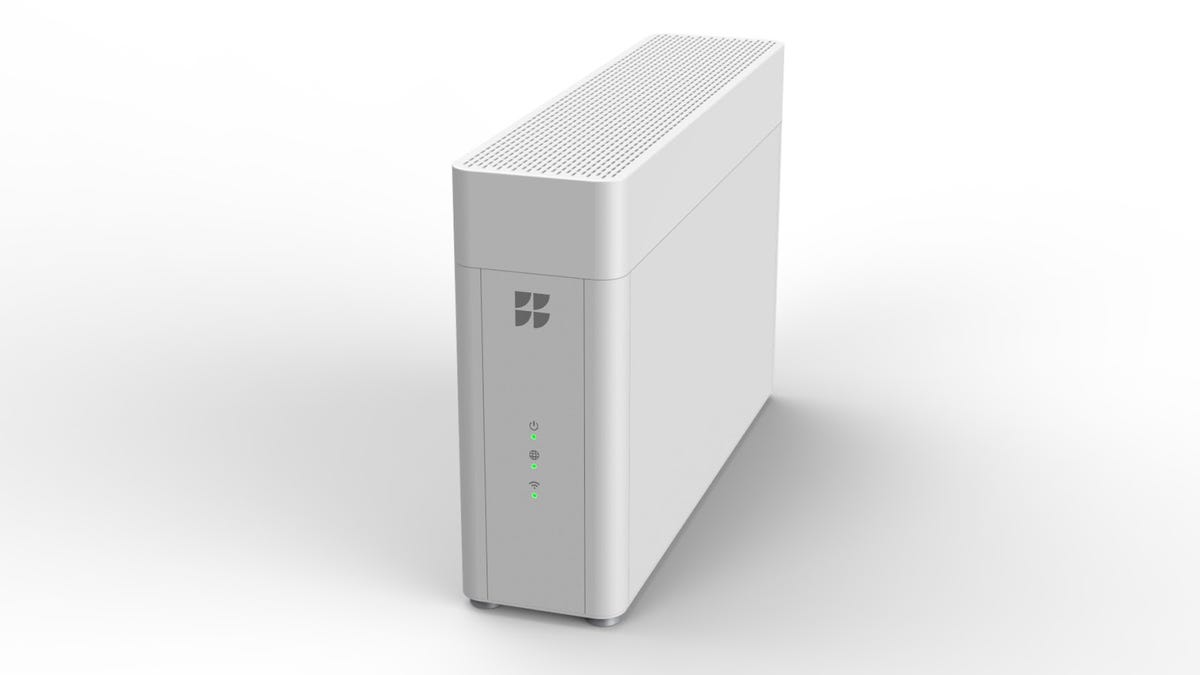
Google has announced the rollout of its 20-Gig Google Fiber subscription, offering blistering speeds on a WiFi 7-enabled router. However, the service comes with a hefty price tag of $250 per month plus fees. Currently available in select areas such as Kansas City, North Carolina's Triangle Region, Arizona, and Iowa, Google plans to expand its service in the future. The company is targeting developers and users who require ultra-fast internet connections for apps, games, and emerging technologies like AR/VR and AI. Google envisions a future with even faster speeds, aiming for 100G in the long run.