Tag

World Weather Attribution

All articles tagged with #world weather attribution

Nepal Leverages Climate Attribution Study to Seek $20M from UN Loss and Damage Fund
climate-and-environment2 months ago

Nepal Leverages Climate Attribution Study to Seek $20M from UN Loss and Damage Fund

Nepal is using a new scientific study linking climate change to the August 2026 Himalayan floods as the primary evidence for a $20 million claim to the UN Fund for Responding to Loss and Damage. The study confirms that human-induced warming destabilized the geological conditions that triggered the catastrophic rock-ice avalanche, which killed over 1,400 people. While Nepal seeks $5 billion for total reconstruction, the UN fund currently has only $400 million available for nearly 120 competing claims.


Fossil fuels drive record European marine heatwaves, study confirms
climate3 months ago

Fossil fuels drive record European marine heatwaves, study confirms

A new study by World Weather Attribution confirms that fossil fuel emissions are the primary driver of record-breaking ocean temperatures in Europe this summer. Climate change added approximately 2°C to Mediterranean waters and 1.3-1.4°C to Atlantic regions. This warming has expanded marine heatwaves to cover 90% of the Bay of Biscay and 80% of the Western Mediterranean, causing severe ecological shifts, including species migration and mass die-offs of heat-sensitive organisms like corals.

Climate science links Canada's record wildfires to fossil fuels as Trump threatens trade retaliation
climate3 months ago

Climate science links Canada's record wildfires to fossil fuels as Trump threatens trade retaliation

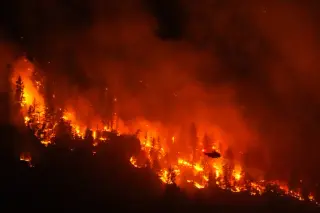
A new World Weather Attribution study confirms that human-driven climate change made the extreme fire conditions in Canada's 2026 wildfire season significantly more likely, contradicting President Trump's blame of Canadian mismanagement. While nearly 700 fires have burned 3.8 million hectares, experts emphasize that global emissions, not local management, are the primary driver. Trump has threatened tariffs against Canada over cross-border smoke, a move scientists condemn as scientifically unfounded.

Climate Crisis Pushes West Heatwave to Unthinkable Levels
environment8 months ago

Climate Crisis Pushes West Heatwave to Unthinkable Levels

A rapid analysis by World Weather Attribution finds the West heatwave this week is largely driven by the climate crisis, showing the event would be about four times more likely in a warming world and temperatures up to 30°F above March norms from California to Colorado, with health, infrastructure, and economic impacts and a warning that such extremes will become more common without policy changes.

Climate crisis makes US West March heatwave four times likelier, scientists say
environment8 months ago

Climate crisis makes US West March heatwave four times likelier, scientists say

A rapid analysis by World Weather Attribution and Imperial College London finds the current US West heatwave would have been virtually impossible without the climate crisis, with temperatures up to 30F (17C) above average and the event four times more likely over the past decade. The study projects more record March heat in the coming days, as 100 cities could see all-time March highs, while heat-related health risks rise and economies feel the strain from rapid snowmelt and closures of ski resorts.

Libya's Flooding Crisis Linked to Climate Change, Study Finds
climate-change3 years ago

Libya's Flooding Crisis Linked to Climate Change, Study Finds

A study by the World Weather Attribution group has found that human-caused climate change made the devastating flood in Libya 50 times more likely to occur. The floods, which killed thousands of people, were exacerbated by factors such as building in flood plains, poor dam maintenance, and other local issues. The study highlights how climate change-fueled extreme weather events are combining with human factors to create even bigger impacts. The heavy rain that caused the floods was intensified by climate change, which increased the amount of rainfall by up to 50%.