careers5.72 min read
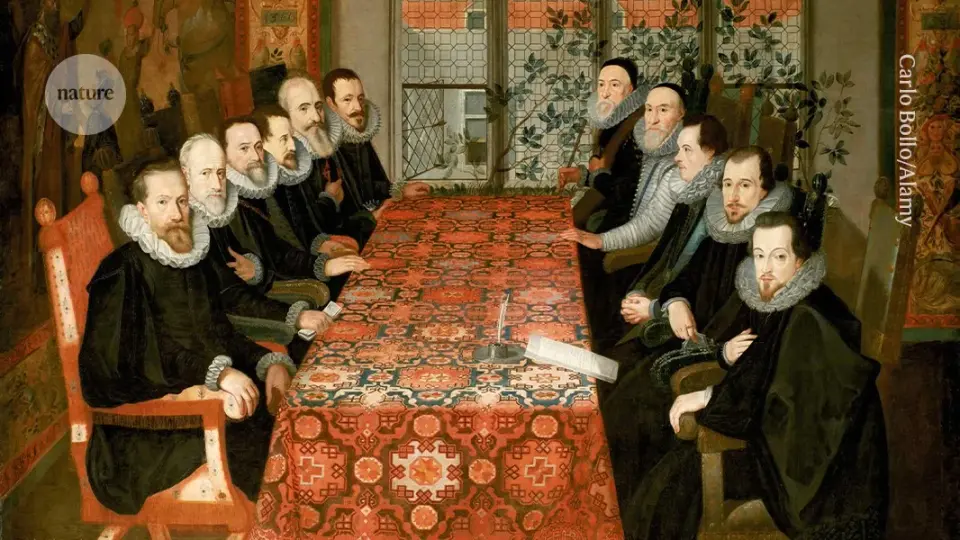
Scientists debate if arriving late to meetings to skip small talk is rude or efficient
9 days ago•Source: Nature

The latest careers stories, each synthesized from multiple sources with added background and context.

As recruiters shift to “quiet hiring” and job security loosens, LinkedIn is evolving from a simple résumé site to a essential career-networking hub for the entire workforce. Posting authentic, verifiable work and expertise can boost visibility and open doors beyond your current role, but you must present a professional, workplace-ready persona. The platform is also cracking down on AI-written “slop,” while rolling out AI job-matching and proofreading tools to improve quality, encouraging thoughtful, portfolio-like content over cringe-worthy posts.

Nature•1 month ago
Business Insider•2 months ago

Former FBI profiler Jana Monroe says decades of studying violent crime bled into her home life, prompting her to hide every kitchen knife as occupational hypervigilance; burnout led her to quit profiling, later returning to the FBI as the cyber division’s assistant director, and she says the experience helped her see the good in people again.

After Netflix laid him off at 50, Edgar Tang pivots to creating content about rebuilding life after 50, turning his cancer battle, moves to New York and Los Angeles, and caregiving responsibilities into a personal storytelling platform that argues ownership of one’s lived experience can be more valuable than another corporate job.
After a layoff, Brian Gordon leaves coding for a 'baby blue-collar' path, moving from frontend developer roles to land surveying and then to civil site design, designing parking lots and drive-thrus for a fast-food company using AutoCAD. He pursued in-person networking after exploring multiple trades, accepts a roughly 30% pay cut and a return to office work with some site visits, and faces childcare challenges, but feels relieved and has no plans to return to tech, convinced AI will continue to reshape programming roles.

Monster’s analysis of employee reviews from early 2026 through April identifies 15 roles with the strongest workplace experiences across eight job categories. Topping the list are healthcare practitioners (3.86), mathematics and data science professionals (3.85), science technicians (3.81), education and library professionals (3.78), and life science professionals (3.78), with several education, law, and finance roles also in the mix. The study emphasizes that strong workplace experiences are achievable across diverse fields and are shaped by factors beyond pay—such as workplace culture, leadership quality, growth opportunities, and work-life balance—noting the gap between the top roles and others is relatively narrow.
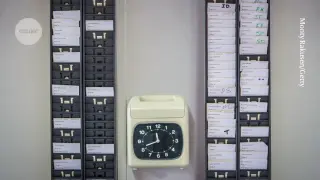
Nature’s readers say there is no universal nine-to-five PhD: a poll found about 20% of PhD students logged up to 40 hours a week, while the majority worked longer—some 80 hours or more—depending on topic, supervision, and field. While theoretical or mid-career paths can allow tighter schedules, experimental labs and pressure to publish often make a strict 9-to-5 impractical; overall the viability of a nine-to-five PhD hinges on topic, supervisory support, and institutional culture.

A RiseGuide survey of 2,000 Gen Z and millennial workers finds many avoid calls, rehearse conversations, and report lost earnings or opportunities, a trend dubbed 'callergy' driven by a preference for texting, digital workarounds, and prescheduled calls with clear agendas.

A 24-year-old Meta data scientist, Moyan Chen, was laid off in May after less than a year on the job and says AI-driven changes are prompting her to abandon the traditional corporate ladder. She plans a pivot toward AI-focused work, content creation, and possibly an AI startup or career coaching, using severance to explore options. Chen believes AI will replace many repetitive analytics tasks and that data scientists will need broader skills beyond coding and SQL, fueling a shift toward roles that align with her values and interests as she documents her journey online.
AI is accelerating the decline of traditional cover letters in hiring. Major firms have stopped requiring them, and recruiters increasingly rely on signals like recommendations, classroom performance, referrals, side projects, and verifiable skills demonstrated through live assessments or portfolios rather than polished AI-generated letters. The trend is toward a ‘show your work’ approach, with candidates highlighting concrete abilities and outcomes through resumes, LinkedIn profiles, GitHub projects, and real-world demonstrations rather than relying on standard cover letters—though writing remains valuable in some fields.

Fortune reports Gen Z grads face a notably tougher job market than their millennial predecessors: about 58% of 2024–2025 graduates were still seeking their first job, and only around 12% landed full-time work by graduation, compared with higher prior-generation rates; globally, about 4.3 million Gen Z are NEETs, with UK NEETs rising too. AI-enabled hiring and a squeeze on entry-level roles are shrinking opportunities, prompting grads to pursue unconventional paths and urging earlier entry into the workforce as the traditional college-to-career promise weakens.

After years of applying to 100+ entry-level jobs and juggling multiple gigs, the author pivots from journalism to public policy, deciding to pursue a master’s degree abroad in France with a scholarship to boost competitiveness and focus on women’s health, while continuing to network and volunteer with nonprofits.