
FBI Profiler's Domestic Security Measures Signal End of Career
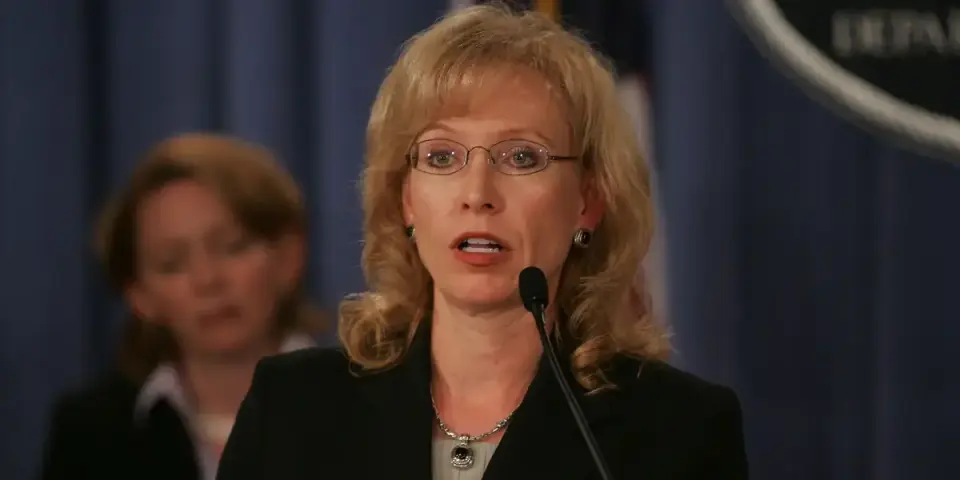
Former FBI profiler Jana Monroe left her role after realizing her work-induced hypervigilance had infiltrated her home life, culminating in her hiding all household knives to prevent potential intruders from using them. After 20 years in the bureau, including time as the first woman in the Behavioral Science Unit, Monroe decided to step away from profiling to restore her mental well-being and view humanity more positively. She subsequently transitioned to traditional assignments and eventually became the bureau's first assistant director of the cyber division.
Key points
- Monroe hid all kitchen knives in her basement dryer after realizing that offenders in her cases often used victims' own weapons.
- Her husband's confusion over the missing utensils prompted a conversation that highlighted her inability to separate work trauma from home life.
- Monroe described her state as 'occupational hypervigilance,' where constant scanning for danger became difficult to turn off.
- She worked approximately 850 homicide cases, which led her to view human nature as inherently bad.
- After leaving profiling, Monroe returned to traditional FBI assignments and later became the first assistant director of the cyber division.
Background
This story highlights the psychological toll of long-term exposure to violent crime, a theme distinct from recent FBI-related news such as the Los Angeles Unified School District superintendent's resignation amid an FBI probe. While that case involved legal and administrative consequences, Monroe's experience focuses on the internal mental health impacts of law enforcement work, specifically how repeated exposure to trauma can lead to burnout and altered perceptions of safety.
Why it matters
The incident underscores the significant mental health risks faced by law enforcement professionals, particularly those in specialized units like behavioral analysis. It illustrates how occupational hypervigilance can blur the lines between professional duty and personal safety, potentially leading to severe stress and altered worldviews. Monroe's decision to leave profiling and later lead the cyber division demonstrates a pathway for managing trauma and finding new purpose, offering insights into the long-term effects of high-stress careers on individual well-being and career trajectories.
What to watch
Monroe has since moved on from profiling and is now focused on her role in the cyber division, indicating a successful transition away from the specific trauma of violent crime analysis. Her experience may serve as a case study for law enforcement agencies in developing better support systems for officers dealing with occupational hypervigilance and PTSD.
Want the full story? Read the original reporting
Read on Business Insider