Tag

Ar Glasses

All articles tagged with #ar glasses

Snap’s Specs AR Glasses Aim High With a $2,500 Fall Launch
gadgets4 days ago

Snap’s Specs AR Glasses Aim High With a $2,500 Fall Launch

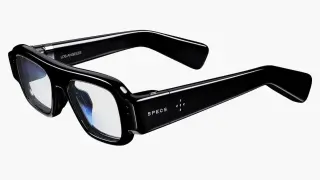
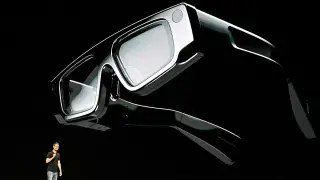
Snap is reportedly launching its first consumer AR glasses, the Specs, this fall as a standalone device priced around $2,500 for an initial 100,000 units; the glasses are expected to be bulkier than typical sunglasses and may lack the full developer ecosystem of Apple's Vision Pro, with a June unveiling possibly at AWE 2026 and comparisons to other premium XR glasses.

ROG Xreal R1 AR glasses bring PC-like gaming to your face with a 171-inch virtual screen
technology9 days ago

ROG Xreal R1 AR glasses bring PC-like gaming to your face with a 171-inch virtual screen

ASUS ROG teams with Xreal to launch the ROG Xreal R1 AR glasses, featuring a 0.55-inch micro‑OLED display and a projected 171-inch virtual screen up to 240 Hz, designed as an extension of the ROG Ally with PC-like controls via the ROG Dock and DisplayWidget Center, Bose audio, and real-time 2D‑to‑3D conversion; pre-orders start at Best Buy for $849, with the official store opening May 17.

ASUS ROG XREAL R1 AR Glasses Enter Global Pre-Orders with Immersive 171-Inch Display
technology9 days ago

ASUS ROG XREAL R1 AR Glasses Enter Global Pre-Orders with Immersive 171-Inch Display

ASUS ROG and XREAL have opened global pre-orders for the ROG XREAL R1, marketing it as the world’s first 240 Hz micro‑OLED gaming AR glasses. The device delivers a 171-inch virtual display (57° FOV) with ultra-low latency, supports Anchor and Follow modes, and includes Bose audio, plus tight integration with the ROG ecosystem via the ROG Control Dock and DisplayWidget Center for seamless cross‑platform gaming with PC, handhelds, and the ROG Ally.

ROG Xreal R1 AR Glasses Open for Pre-Order at $849 With Dock
technology11 days ago

ROG Xreal R1 AR Glasses Open for Pre-Order at $849 With Dock

ASUS's ROG Xreal R1 AR gaming glasses are available to pre-order for $849 at Best Buy, with a May 17 sale on ASUS's site. The headset upgrades the Xreal One Pro with a 240Hz refresh rate, a 57-degree field of view, and 1080p visuals that can project a ~171-inch virtual screen from four meters away. A bundled dock enables easier connectivity to consoles and PCs via USB-C, though it adds bulk and reduces portability.

Apple’s 2026 Blueprint: 18 New Devices Across Macs, iPhones, iPads, Wearables and Glasses
technology18 days ago

Apple’s 2026 Blueprint: 18 New Devices Across Macs, iPhones, iPads, Wearables and Glasses

A leaked plan suggests Apple will roll out 18 new products in 2026 across desktops, laptops, iPads, iPhones, wearables and smart home devices, including M5/M6-powered Macs (with an OLED MacBook Pro possibly delayed to 2027), a foldable iPhone Ultra, Apple Glasses for AR, refreshed Watches and AirPods, and smarter TV/Home Hub devices—covering a broad expansion of Apple's ecosystem.

Apple Trims Vision Pro Push After M5 Update Fails to Move the Needle
technology27 days ago

Apple Trims Vision Pro Push After M5 Update Fails to Move the Needle

Apple has effectively given up on the Vision Pro after the M5 refresh failed to spark demand; despite a faster M5 chip, 120Hz refresh, extra battery life, and a more comfortable band, the $3,499 headset remains heavy and expensive, with insider reports of unusually high returns. The Vision Pro team has been redistributed to other projects (including Siri), and while rumors of a cheaper Vision Air exist, Apple has no plans for a new model and is focusing on AR glasses without a built-in display.

Samsung teases two-model Galaxy Glasses to rival Ray‑Ban's AR crown
wearables28 days ago

Samsung teases two-model Galaxy Glasses to rival Ray‑Ban's AR crown

Samsung’s Galaxy Glasses leak reveals two models in development: Jinju (entry-level, no display) and Haean (premium with a micro‑LED AR display), with Jinju slated for late 2026 and Haean in 2027. The lineup, which emphasizes audio, AI, and an autofocus camera, appears aimed at everyday users and could challenge Meta’s Ray‑Ban glasses, signaling a broader consumer AR strategy that could incorporate Google’s Gemini AI features.

Samsung’s Galaxy Glasses leak hints at Ray‑Ban rival with two-tier plan
gadgets29 days ago

Samsung’s Galaxy Glasses leak hints at Ray‑Ban rival with two-tier plan

Leaked images suggest Samsung’s first Galaxy Glasses will be a display-free AR glasses set, code-named Jinju, with a Snapdragon AR1 processor, a 12‑MP camera, a 155 mAh battery and bone-conduction speakers, priced about $379–$499 and no built-in display. Samsung reportedly plans a premium micro‑LED model, code-named Haean, with a display coming in 2027 for $600–$900, aimed at competing with Meta’s Ray‑Ban Display glasses. The launch could occur at Google I/O or Samsung’s Unpacked events, and Samsung is tying its glasses into Android XR partnerships with Google, Warby Parker, Gentle Monster, and Gucci.

Apple’s AR glasses aim to outpace Meta with iPhone-tight, AI-driven wearables
computing1 month ago

Apple’s AR glasses aim to outpace Meta with iPhone-tight, AI-driven wearables

Tom's Guide reports Mark Gurman saying Apple will unveil its first AR glasses in the September/October window this year, with a early-2027 rollout. Apple plans a display-free first-gen pair focused on tight iPhone integration, premium acetate frames in multiple styles, and a substantially upgraded Siri (potential Gemini integration). Beyond glasses, Apple is eyeing AI wearables like AirPods with cameras and an AI pendant to broaden its wearable ecosystem, all as part of a strategy to blunt Meta’s momentum ahead of the holidays.

Snap trims 16% of staff, steering toward AI-driven efficiency
technology1 month ago

Snap trims 16% of staff, steering toward AI-driven efficiency

Snap laid off about 1,000 employees (roughly 16% of its workforce) and will shutter more than 300 open roles, with four months of severance and extended benefits; CEO Evan Spiegel says the cuts are to unlock AI‑enabled efficiency and accelerate a path to profitability, with the company projecting over $500 million in savings by the second half of 2026 as it uses AI to boost Snapchat+, ads, and infrastructure. The moves follow broader tech layoff trends.

Ray-Ban Display Gets a Major OS Refresh With Widgets, Minigames and Calendar
technology2 months ago

Ray-Ban Display Gets a Major OS Refresh With Widgets, Minigames and Calendar

Meta Ray-Ban Display’s first major OS update adds a widgets space, a dedicated Calendar app, an Instagram Reels feed upgrade, live captions for calls, and two EMG-controlled minigames (GOAT and 2048), plus a Spotify-powered Soundtrack feature and expanded calendar integration with Google/Outlook, broadening the glasses’ functionality and interactivity.

TCL's RayNeo Air 4 Pro AR Glasses Debut With HDR Displays, Starting at $299
technology2 months ago

TCL's RayNeo Air 4 Pro AR Glasses Debut With HDR Displays, Starting at $299

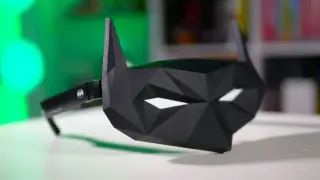
TCL today launched the RayNeo Air 4 Pro AR glasses, featuring HDR-capable micro‑OLED displays that can project a virtual screen up to 201 inches and run at up to 120 Hz. The base model is $299, with a limited promo bringing it to $249; two Batman-themed editions are priced at $269. The glasses are intended for watching movies and gaming and connect to devices via USB‑C, offering brighter displays than some rivals but lacking certain XR productivity features like adjustable screen distance/anchor control found in competitor models.

RayNeo Air 4 Pro AR Glasses Offer 201-Inch Private Cinema, With Some Trade‑offs
technology2 months ago

RayNeo Air 4 Pro AR Glasses Offer 201-Inch Private Cinema, With Some Trade‑offs

TCL’s RayNeo Air 4 Pro AR/XR glasses deliver a 201-inch virtual screen with HDR10 and up to 1,200 nits brightness via dual micro‑OLED displays for $299, aiming to be the best entertainment-focused smart glasses of 2026. They’re comfortable and offer solid built‑in audio, but require a USB‑C tether, lack some productivity features (like adjustable screen size/anchoring and 3D conversion), and can exhibit flicker and fit quirks, making them a strong early-adopter pick for movies and games rather than a universal productivity solution.