consumer-protection12.91 min read
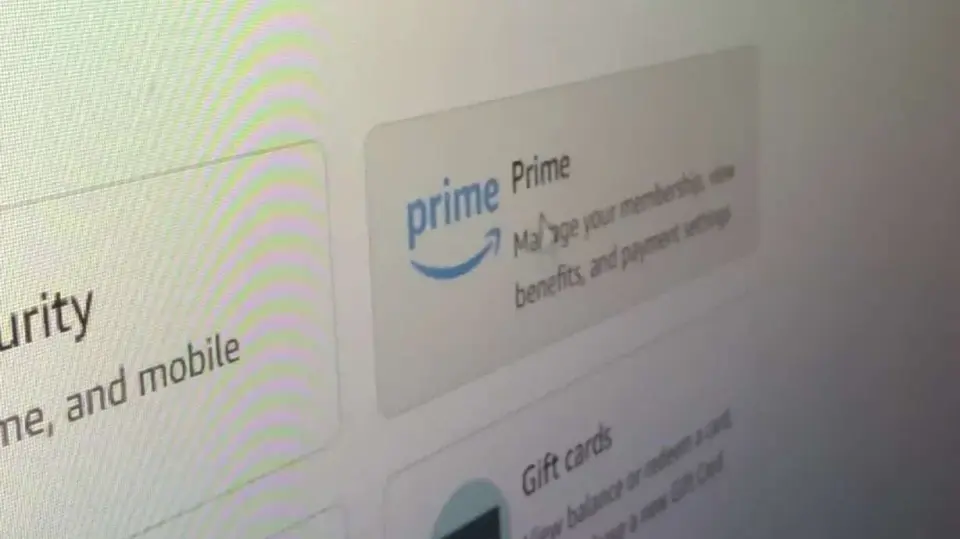
Amazon to auto-pay millions in expanded Prime refund settlement starting Oct. 1
10 days ago•Source: KSL.com

The latest consumer protection stories, each synthesized from multiple sources with added background and context.
The FTC, joined by Utah and California, filed a federal lawsuit against telehealth provider Hims & Hers alleging deceptive billing (charging nearly immediately after intake and making cancellation difficult) and sharing sensitive health information with third‑party ad platforms, despite assurances of privacy; the case, filed in the Northern District of California, seeks to halt the practices and impose remedies under federal and state laws.

yahoo.com•1 year ago

The FTC is issuing over $126 million in refunds to Fortnite players due to deceptive billing practices by Epic Games, with claims open until July 9, 2025, for eligible consumers to apply for refunds via online.
The FTC is issuing over $126 million in refunds to Fortnite players charged for unwanted items and has reopened the claims process for additional compensation related to Epic Games' deceptive billing practices, with a total of nearly $200 million refunded so far.
The Consumer Financial Protection Bureau (CFPB) is distributing $1.8 billion to 4.3 million consumers who were charged illegal fees by credit repair companies, including Lexington Law and CreditRepair.com. This marks the largest distribution from the CFPB's victims relief fund, which is financed by civil penalties from companies violating consumer protection laws. The distribution follows a legal judgment against these companies for violating the Telemarketing Sales Rule. Payments will be sent to affected consumers without requiring any action from them.

Experts warn that Amazon Prime Day is a prime opportunity for scammers, with phishing attempts and fake websites on the rise. Consumers are advised to be vigilant against unsolicited emails, too-good-to-be-true deals, and counterfeit products. The Better Business Bureau and Amazon provide tips to avoid scams, emphasizing the importance of verifying messages and purchases through official channels.
The Consumer Financial Protection Bureau (CFPB) has finalized a rule to create a registry aimed at detecting and deterring corporate offenders who violate consumer laws. This registry will help identify repeat offenders and recidivism trends, aiding law enforcement and other stakeholders in holding companies accountable. The rule requires nonbank financial companies to register with the CFPB when they have violated consumer laws and provide attestations of compliance from senior executives. This initiative is part of the CFPB's broader effort to enhance oversight and prevent corporate recidivism.

Michigan Attorney General Dana Nessel warns Venmo users about a scam where fraudsters use stolen credit cards to send money "accidentally" and then ask for it back. When Venmo identifies the transaction as fraudulent, it can withdraw the money from the user's account, leaving the scammer with the funds. Nessel advises caution with transactions involving unknown individuals and highlights other common money transfer scams. Victims are encouraged to report incidents to the Federal Trade Commission.

The European Parliament has approved a directive aimed at banning misleading environment claims on products and improving labeling, with terms like "environmentally friendly" and "biodegradable" requiring concrete evidence. Only sustainability labels based on official certification schemes will be allowed, and claims of "climate-neutral" impact due to CO2 emissions offsetting schemes will be banned. The directive also aims to make producers and consumers focus more on the durability of goods, with guarantee information becoming more visible and a new, harmonized label created for goods with extended guarantee periods. Member states have two years to introduce the new rules.
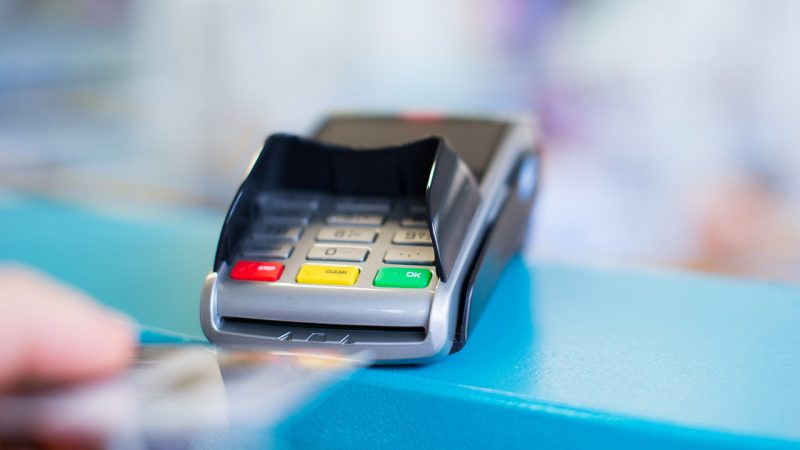
Authorities in New England are warning consumers about credit card skimmers found at retail outlets, including supermarkets in Massachusetts and New Hampshire. Skimming devices, designed to look like legitimate card readers, capture card information when customers swipe their cards. The FBI advises inspecting card readers for loose parts or damage, covering the keypad while entering PINs, and being cautious at tourist spots and gas pumps. If a skimming device is suspected, customers should contact their bank and local law enforcement. No customer data was reported compromised following the recent discoveries in Massachusetts.
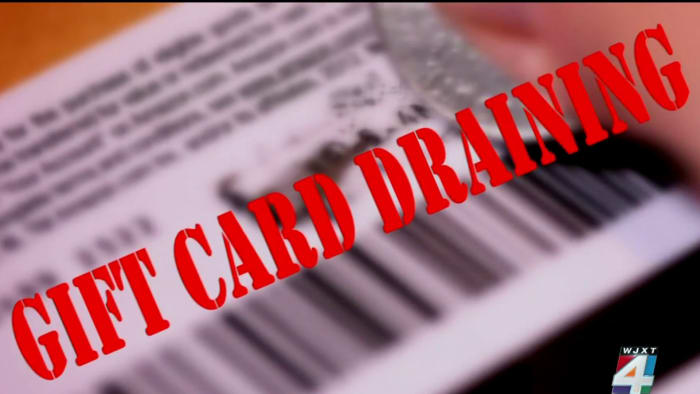
The FBI is warning that gift card scams are on the rise, with scammers using a "gift card draining" trick to steal money before it can be used. Reports of gift card scams have increased by 50% this year, totaling over $210 million in losses. To avoid falling victim, consumers are advised to check for tampering on gift cards, avoid buying cards with damaged packaging, and register their gift cards if possible. If a gift card has been tampered with, there is little that can be done to recover the lost funds. Buying gift cards from behind the counter or gifting cash are alternative ways to protect oneself.
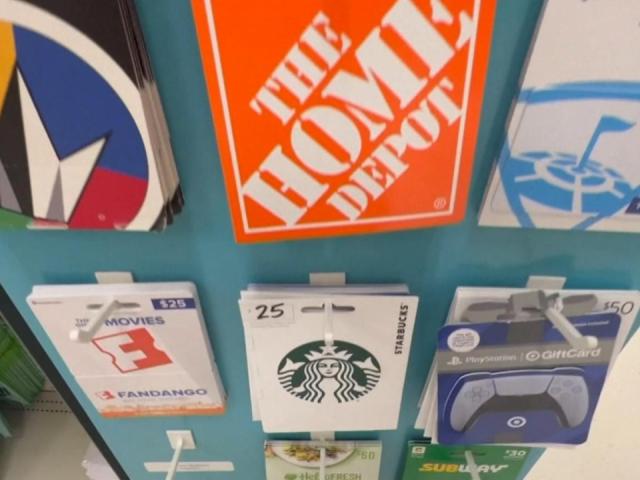
Shoppers are being warned about a scam called "gift card draining" that is prevalent during the holiday season. Scammers are tampering with gift cards by placing different barcodes on top of the original ones, diverting the money to themselves. To protect against this, shoppers should check for intact packaging, scuff marks on barcodes or security codes, and stickers on the back of the gift card. Experts recommend purchasing gift cards near the register or from behind the counter and regularly checking balances. The Better Business Bureau's website can be visited to track scams, report them, and warn others.