Tag

Global Shipping

All articles tagged with #global shipping

Houthis seize Bab al-Mandab, but holding the 'Gate of Tears' proves logistically difficult
middle-east2 months ago

Houthis seize Bab al-Mandab, but holding the 'Gate of Tears' proves logistically difficult

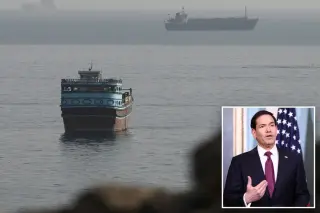
Iranian-backed Houthis have captured key coastal areas and islands in Yemen’s Bab al-Mandab Strait, significantly boosting Tehran’s leverage in its economic conflict with the United States. While this move threatens a critical global shipping route, analysts warn that maintaining control over this vast, exposed coastline is logistically challenging and faces immediate counterattacks from Saudi-backed forces.

US Military Reclaims Control of Strait of Hormuz, but Economic Leverage Fades
world2 months ago

US Military Reclaims Control of Strait of Hormuz, but Economic Leverage Fades

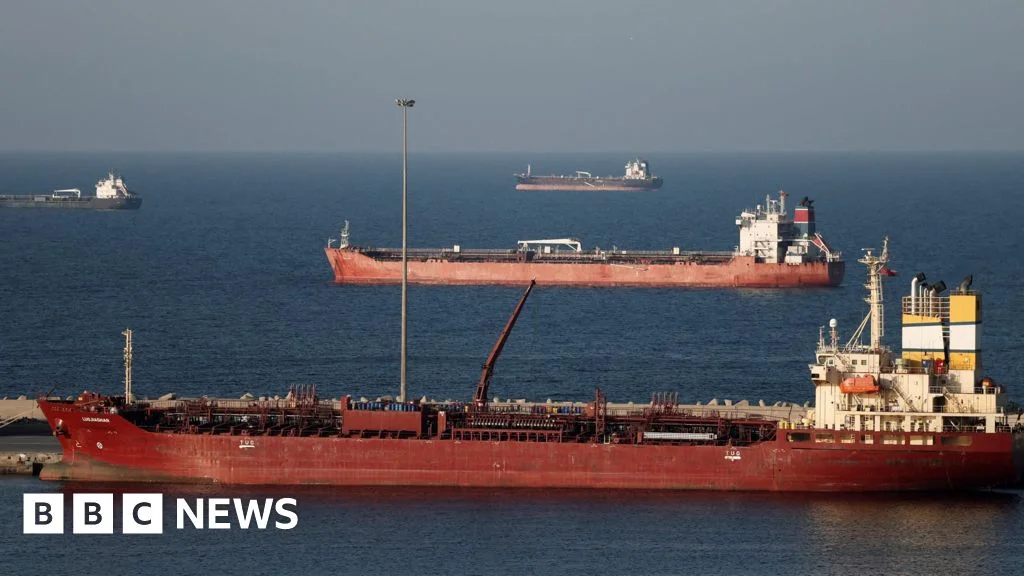
US forces have successfully neutralized Iranian naval mines and restored limited shipping through the Strait of Hormuz, marking a tactical shift in the ongoing conflict. While oil flows have partially resumed, they remain significantly below pre-war levels, and global energy markets face continued volatility. Diplomatic efforts are intensifying as Iran shows renewed interest in negotiations, though Washington remains skeptical of Tehran's current demands.

El Niño Drought Forces Panama Canal to Slash Daily Ship Transits to 32

El Niño Drought Forces Panama Canal to Slash Daily Ship Transits to 32

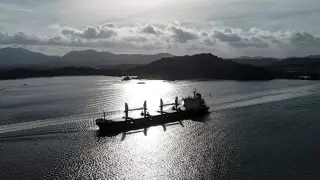
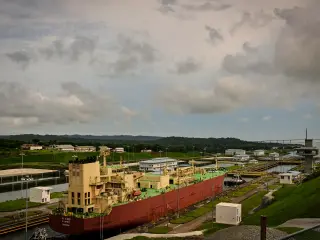
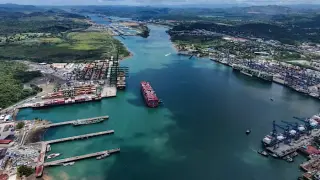
The Panama Canal Authority announced a reduction in daily vessel transits from 36 to 32 starting September 15, 2026, due to severe drought conditions caused by El Niño. This move aims to preserve water levels in the canal's artificial lakes, which are critical for both shipping and the drinking water supply of half of Panama's population. The restrictions follow a phased reduction beginning September 3, where daily limits drop to 34 vessels. Rainfall in the canal's watershed is 34% below historical averages, and the current El Niño event is expected to be one of the strongest on record. These cuts threaten to increase shipping costs and transit times, impacting global trade routes that handle 5% of maritime commerce and 40% of US container traffic. The canal operator has already implemented water-saving measures, including limiting draft depths for large ships, and warns that further restrictions may be necessary if rainfall remains low. The situation exacerbates existing supply chain pressures, particularly for cold-chain goods and energy shipments, as companies seek alternative routes or pay premium auction prices for priority transit slots.


Panama Canal slashes daily ship transits to 32 as El Niño drought deepens
business3 months ago

Panama Canal slashes daily ship transits to 32 as El Niño drought deepens

The Panama Canal Authority is reducing daily vessel transits to 32 from September 15, down from 36, due to severe drought caused by an intensifying El Niño. The cuts, which begin in phases starting September 3, aim to preserve water levels in the canal's artificial lakes and ensure long-term operational sustainability. This is the second time the canal has restricted traffic, following a historic drought in 2023. The move impacts global trade, as the canal handles 5% of maritime traffic and 40% of US container shipments, while also affecting Panama's $3 billion annual revenue. Shipping costs have already surged to record highs due to concurrent disruptions in the Strait of Hormuz.

Panama Canal slashes daily ship quotas to 32 as El Niño drought deepens
global-trade-and-infrastructure3 months ago

Panama Canal slashes daily ship quotas to 32 as El Niño drought deepens

The Panama Canal Authority announced a reduction in daily vessel transits starting September 3, cutting capacity from 36 to 34 ships, and then to 32 by September 15. This move addresses severe water shortages in the canal’s artificial lakes, driven by an intense El Niño weather pattern. The restrictions follow record-high transit fees and previous water-saving measures, aiming to preserve the waterway’s long-term sustainability while managing global trade flows.

El Niño Drought Forces Second-Ever Cut in Panama Canal Daily Ship Transits
global-trade3 months ago

El Niño Drought Forces Second-Ever Cut in Panama Canal Daily Ship Transits

The Panama Canal Authority announced a reduction in daily vessel transits starting September 3, cutting capacity from 36 to 34 ships, and further to 32 by September 15. This is the second time in history the canal has limited daily passages, driven by severe drought from an intensifying El Niño. Rainfall in the canal’s watershed is down 34% from historical averages, forcing water-saving measures. While the canal carries 3-5% of global maritime trade, the restrictions risk increasing transit times and costs, with auction prices already hitting record highs due to concurrent geopolitical disruptions.

Hormuz Talks Stall as Houthi Attacks and Iranian Toll Demands Escalate Shipping Crisis
world-news3 months ago

Hormuz Talks Stall as Houthi Attacks and Iranian Toll Demands Escalate Shipping Crisis

Fresh attacks on commercial vessels near Oman and the Red Sea have intensified the maritime crisis, threatening ongoing diplomatic efforts to reopen the Strait of Hormuz. While US officials claim progress in negotiations with Iran and Oman, Tehran insists it is not negotiating with Washington and demands fees for transit. Simultaneously, Houthi rebels have targeted Saudi tankers in the Red Sea, the primary alternative route, creating a 'problem stacked on top of a problem' for global energy supplies. Traffic through the strait has plummeted to a fraction of pre-war levels, with oil prices fluctuating sharply based on diplomatic signals.

UK Pushes to Reopen Strait of Hormuz to Ease Global Shipping Crisis
world8 months ago

UK Pushes to Reopen Strait of Hormuz to Ease Global Shipping Crisis

Prime Minister Starmer spoke with Donald Trump about reopening the Strait of Hormuz to end disruption to global shipping amid the UK-US-led response to the Iran-Israel conflict. Energy secretary Ed Miliband said reopening is a priority and that options, potentially including mine-hunting drones, are being explored with allies. Iran has signaled it will continue blocking the strait, with attacks on vessels contributing to higher oil prices and raised concerns over global supply chains.

"US Military Destroys Houthi Air Defense and Drones in Red Sea and Gulf of Aden"
international-relations2 years ago

"US Military Destroys Houthi Air Defense and Drones in Red Sea and Gulf of Aden"

The US military announced the destruction of air defense and drone systems belonging to Yemen's Houthi forces in the Red Sea area, following reports of attacks on British, US, and Israeli ships. The Houthi attacks have disrupted global shipping through the Suez Canal, prompting the US and Britain to launch strikes on Houthi targets in Yemen. The Houthi militants claim their actions are in response to Israel's military operations in Gaza and as a show of solidarity with Palestinians.

"The Red Sea Crisis: $1 Million in Extra Costs and Weeks of Delays Disrupt Global Trade"
global-trade2 years ago

"The Red Sea Crisis: $1 Million in Extra Costs and Weeks of Delays Disrupt Global Trade"

Attacks on container vessels in the Red Sea by Iran-backed Houthi militants have caused significant disruptions to global trade, leading to weeks of delays and an estimated $1 million in extra costs per ship for rerouting around the area. This has prompted concerns about potential consumer price rises and supply chain disruptions, with shipping companies experiencing increased fuel and insurance costs, as well as higher freight rates. While the current crisis has impacted global shipping costs, it is not as severe as the pandemic peak, and the inflation outlook will depend on factors such as the duration of the crisis and potential escalation of the Israel-Hamas conflict.

Red Sea Chaos: Experts Warn of Economic Impact on Shipping and Trade
economy2 years ago

Red Sea Chaos: Experts Warn of Economic Impact on Shipping and Trade

Trade experts and the world's largest shipping company warn Congress about the economic impact of the Red Sea chaos caused by Houthi rebel attacks, leading to increased freight prices, vessel diversions, supply chain delays, and inflation. The attacks have disrupted global trade, with companies like Maersk and MSC altering shipping routes and experiencing vessel attacks. This has led to increased costs for businesses and consumers, impacting various industries and prompting some retailers to resort to air freight. The crisis is not just a U.S. problem, as it affects global shipping and consumer economy, with warnings that the attacks will have a greater impact than in the energy markets due to the significant portion of global container traffic traversing the Red Sea.