human-history17.665 min read
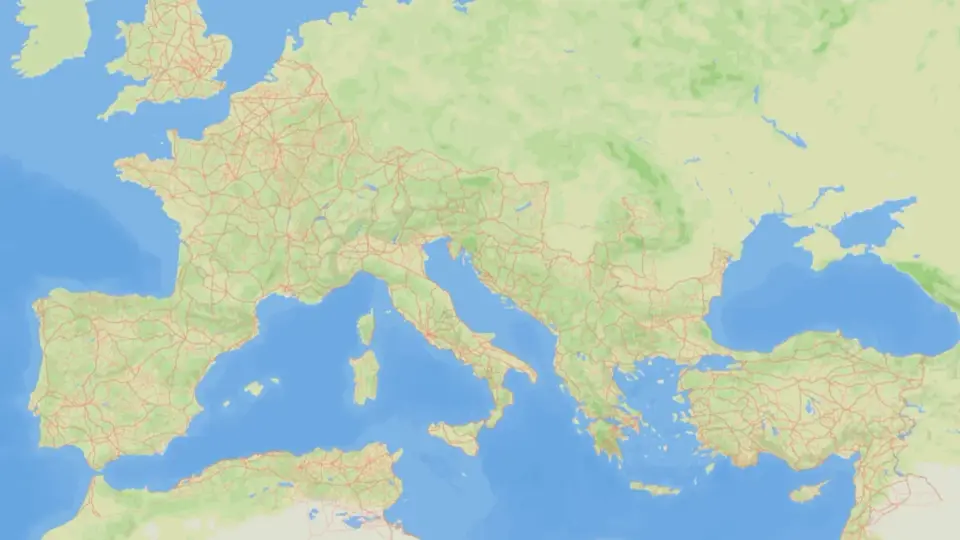
New Roman Road Map Reframes How We Understand the Empire's Highways
24 days ago•Source: Gizmodo

The latest human history stories, each synthesized from multiple sources with added background and context.
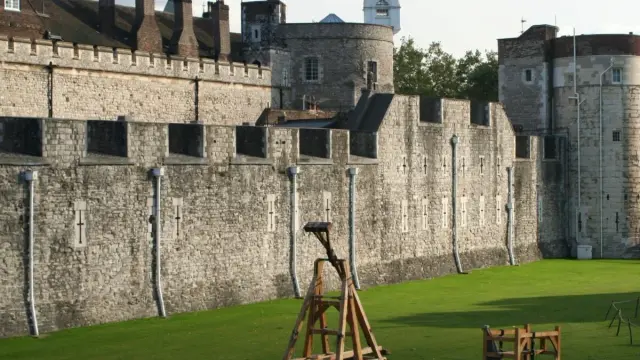
Archaeologists studying Skeleton 150 beneath Stirling Castle’s chapel have identified more than 160 blunt-force injuries, including a skull fractured in 61 places, suggesting a single high-velocity impact from a trebuchet during Edward I’s siege in 1304 CE — potentially the first documented case of a death caused by a trebuchet.
Gizmodo•1 month ago
Gizmodo•2 months ago
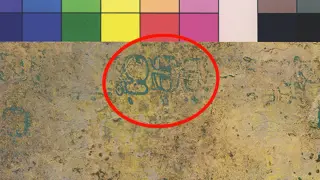
Archaeologists at Xultun in Guatemala identify the earliest named Maya scientist-astronomer, Saktahnwaax, dating to around 800 CE, based on an inscription praising him and a newly deciphered 2,920-day calendar formula showing Maya tracking solar and Venus cycles, evidence of sophisticated scientific inquiry in pre-Columbian Americas.
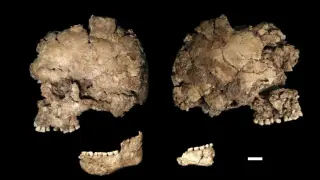
A new analysis of Qafzeh 25, a 92,000–145,000-year-old fossil from Israel, reveals a healed cut across the lower left jaw. Researchers say the injury most likely resulted from interpersonal violence, making it one of the oldest known cases of violence among early humans and shedding light on social care and funerary practices in ancient communities.

In Colchester, UK, a 2nd‑century CE fossil pit yielded an ichthyosaur spinal bone that a Romans-era collector tucked among pottery and spoons; paleontologists say this is the oldest known example of deliberate ichthyosaur fossil collecting, suggesting Romans may have curated fossils perhaps influenced by Greek myths about sea monsters, with a roughly 1,800‑year gap before similar discoveries.

A Smithsonian-led study argues that Homo floresiensis on Flores were probably scavengers rather than big-game hunters or fire users. By examining Stegodon florensis insularis bones for dragon and hominin tooth scores, and reviewing 10,061 Liang Bua artifacts alongside experiments with living Komodo dragons, researchers found the hobbit-like hominins left marks on smaller, less meat-rich pieces and that evidence for fire at the site likely comes from later Homo sapiens, not H. floresiensis, though debates about their behavior persist.
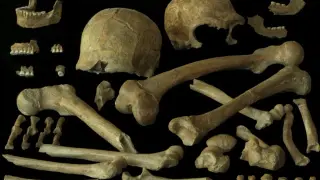
A 27-Neanderthal genome study from Belgium and France shows late Neanderthals were genetically diverse and part of connected regional populations, challenging the idea of a single declining group; they carry no clear rise in harmful mutations, and while Neanderthals contributed DNA to modern humans, there was little reciprocal gene flow, highlighting regional extinction patterns and a more nuanced history.
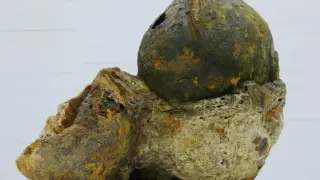
Radiocarbon dating of 43 helmets recovered off Benicarló, Spain in 1990 shows they date to the late 14th to early 15th centuries, not Roman times, indicating medieval production and a complex arms-trade network along the Valencian coast—the largest known medieval helmet hoard in the western Mediterranean.
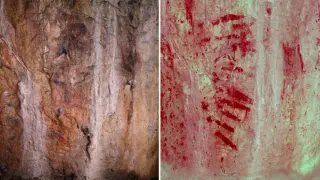
New dating and image-analysis of Bacon Hole cave in south Wales confirm that its red markings are ancient abstract art dating to about 17,000 years ago, making them the oldest rock art in the British Isles; previously dismissed as mineral staining and graffiti, uranium–thorium dating and enhanced imagery reveal human-like symbolic lines and dots, likely created by Upper Paleolithic hunter–gatherers, with surrounding mineral deposits supporting the minimum age.

Oxford researchers analyzed data from 2,025 individuals across 41 primate species and found that the near-universal human right-handedness likely stems from two defining human traits—upright walking and larger brains—with limb-length balance helping predict hand preference; other factors like tool use, diet, or habitat did not fully explain the pattern.

A Frontiers in Materials study of the Ilovik-Paržine 1 shipwreck shows Romans used zopissa—a pine tar and beeswax waterproof coating—applied in multiple phases, suggesting ships were regularly refurbished during voyages. Palynology tied the coating’s materials to diverse Adriatic environments, revealing a web of long-distance naval knowledge transfer around the Mediterranean.
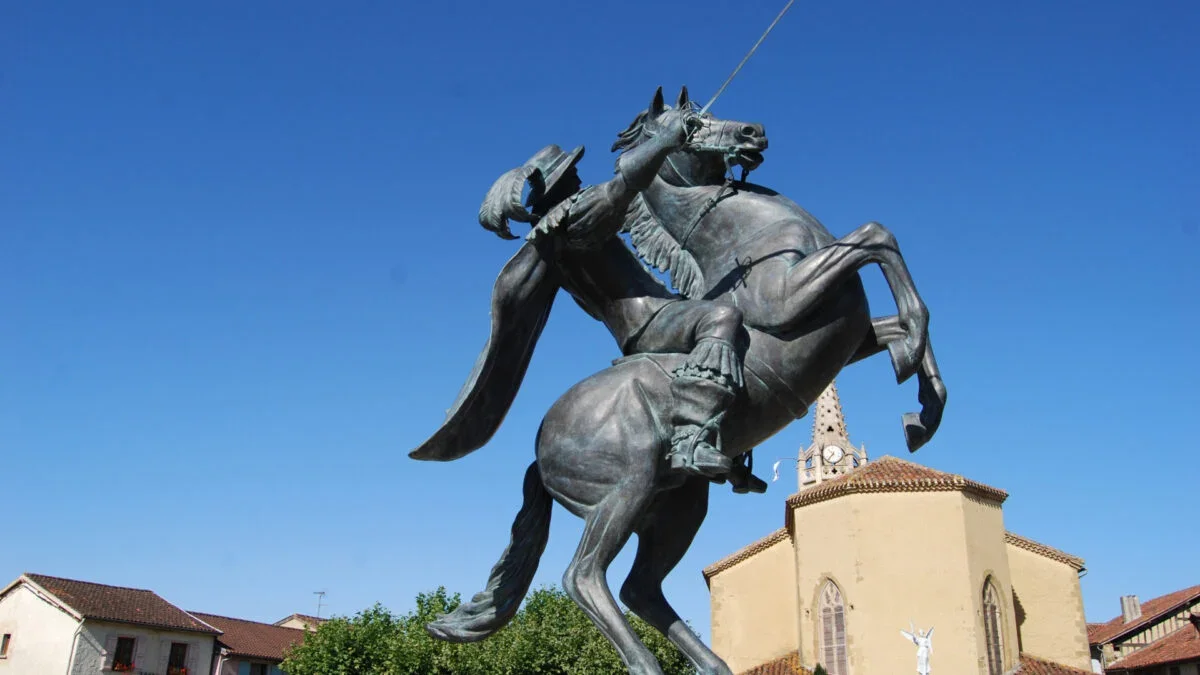
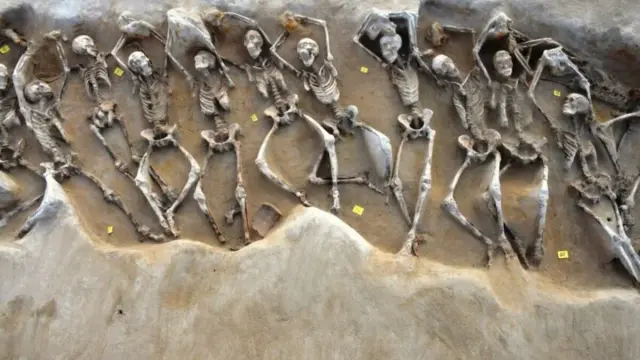
Repair workers uncover skeletal remains beneath an altar in Maastricht’s church during tile repairs; early indicators—a French coin and a chest wound—point to Charles de Batz de Castelmore, Count d’Artagnan, the real-life inspiration for The Three Musketeers, with DNA testing underway to confirm the identity.