Tag

Brain Size

All articles tagged with #brain size

Legs Before Hands: Evolution's Leg-Driven Route to Right-Handedness
science4 days ago

Legs Before Hands: Evolution's Leg-Driven Route to Right-Handedness

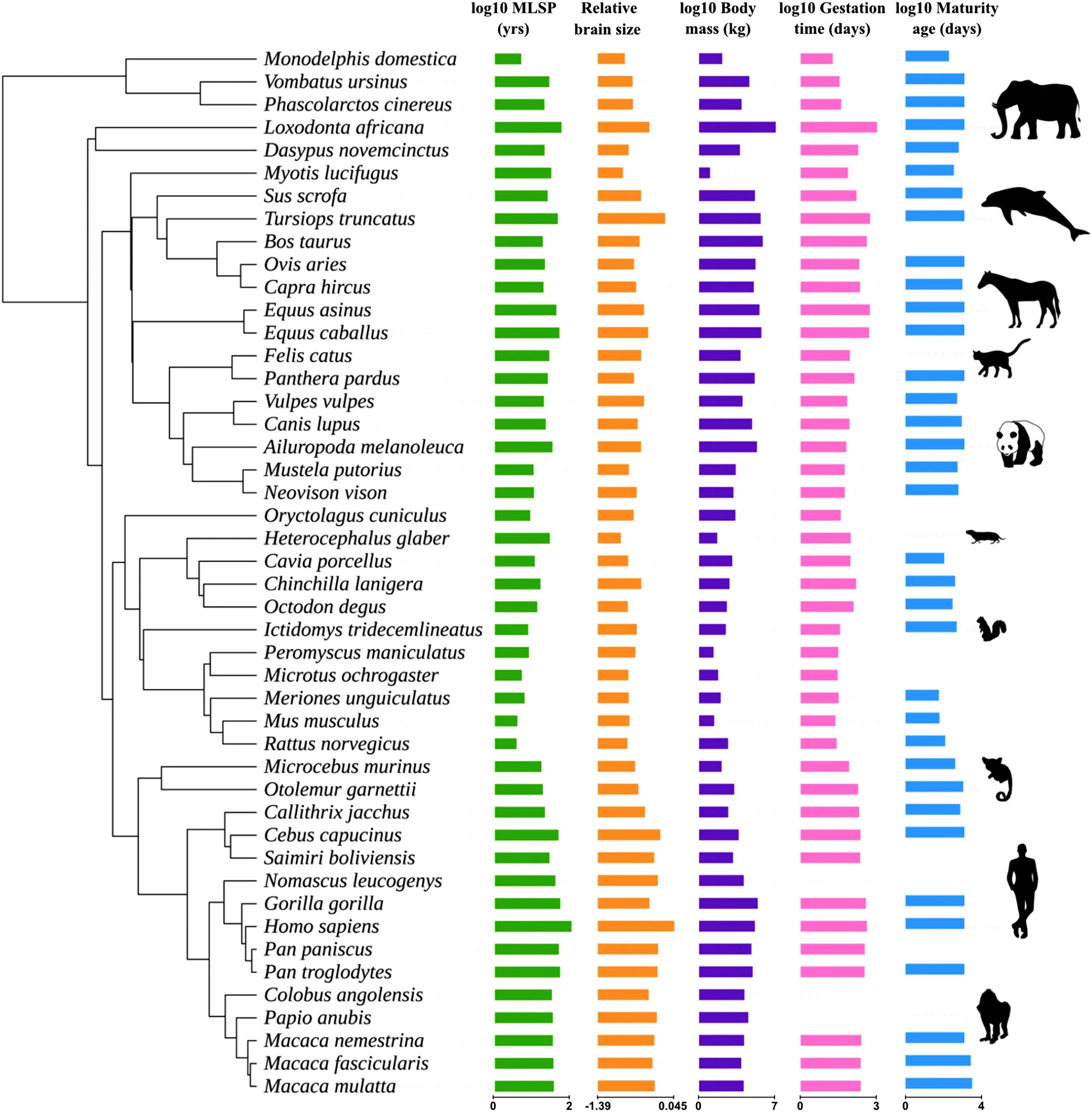
A new PLOS Biology study analyzing 2,025 primates across 41 species argues that humans’ near-90% right-handedness arises from the combined effects of rapid brain growth and a long leg-to-arm ratio from sustained bipedalism: with legs freed from locomotion, the hands could specialize in manipulation, and the larger brain provided the cognitive substrate, making humans the extreme outlier among primates.


Walking Upright and Brain Growth May Have Shaped Humans' Right-Hand Bias
human-history6 days ago

Walking Upright and Brain Growth May Have Shaped Humans' Right-Hand Bias

Oxford researchers analyzed data from 2,025 individuals across 41 primate species and found that the near-universal human right-handedness likely stems from two defining human traits—upright walking and larger brains—with limb-length balance helping predict hand preference; other factors like tool use, diet, or habitat did not fully explain the pattern.

Two Evolutionary Shifts Forged Humans' Strong Right-Handedness
science8 days ago

Two Evolutionary Shifts Forged Humans' Strong Right-Handedness

A Oxford-led study analyzing 2,025 primates suggests humans' extreme right-handedness arose from two key evolutionary milestones—upright walking and brain expansion—that shifted early hominins from mild to strong right-hand bias, with Homo species showing increasing dominance and Homo floresiensis exhibiting weaker bias; the findings support a two-stage process and raise questions about why left-handedness persists and how culture reinforces right-handedness.

Neanderthal brains lie within the modern human size range, study finds
science28 days ago

Neanderthal brains lie within the modern human size range, study finds

A new comparison of Neanderthal endocasts with MRI scans from 400 modern humans shows Neanderthal brain size and regional variation fall within the range of modern human variation. Brain size differences don’t reliably predict cognition, and the findings—alongside evidence of complex tool use, symbolic thought, and social organization—suggest Neanderthals were cognitively on par with early Homo sapiens, challenging the idea that they were outmatched by size or intelligence.

Flores Hobbits' Small Size Resulted from Slowed Childhood Growth, Study Finds
science8 months ago

Flores Hobbits' Small Size Resulted from Slowed Childhood Growth, Study Finds

New research suggests that the small size of Homo floresiensis, or Hobbits, resulted from slowed growth during childhood rather than in utero development, challenging previous assumptions that brain size increase was the primary driver of human evolution. The study highlights how tooth and brain size relationships can provide insights into fossil species, and emphasizes that small body size on islands is an adaptive response, not a reflection of lower intelligence.

Study Challenges Gradual Evolution of Human Intelligence
science1 year ago

Study Challenges Gradual Evolution of Human Intelligence

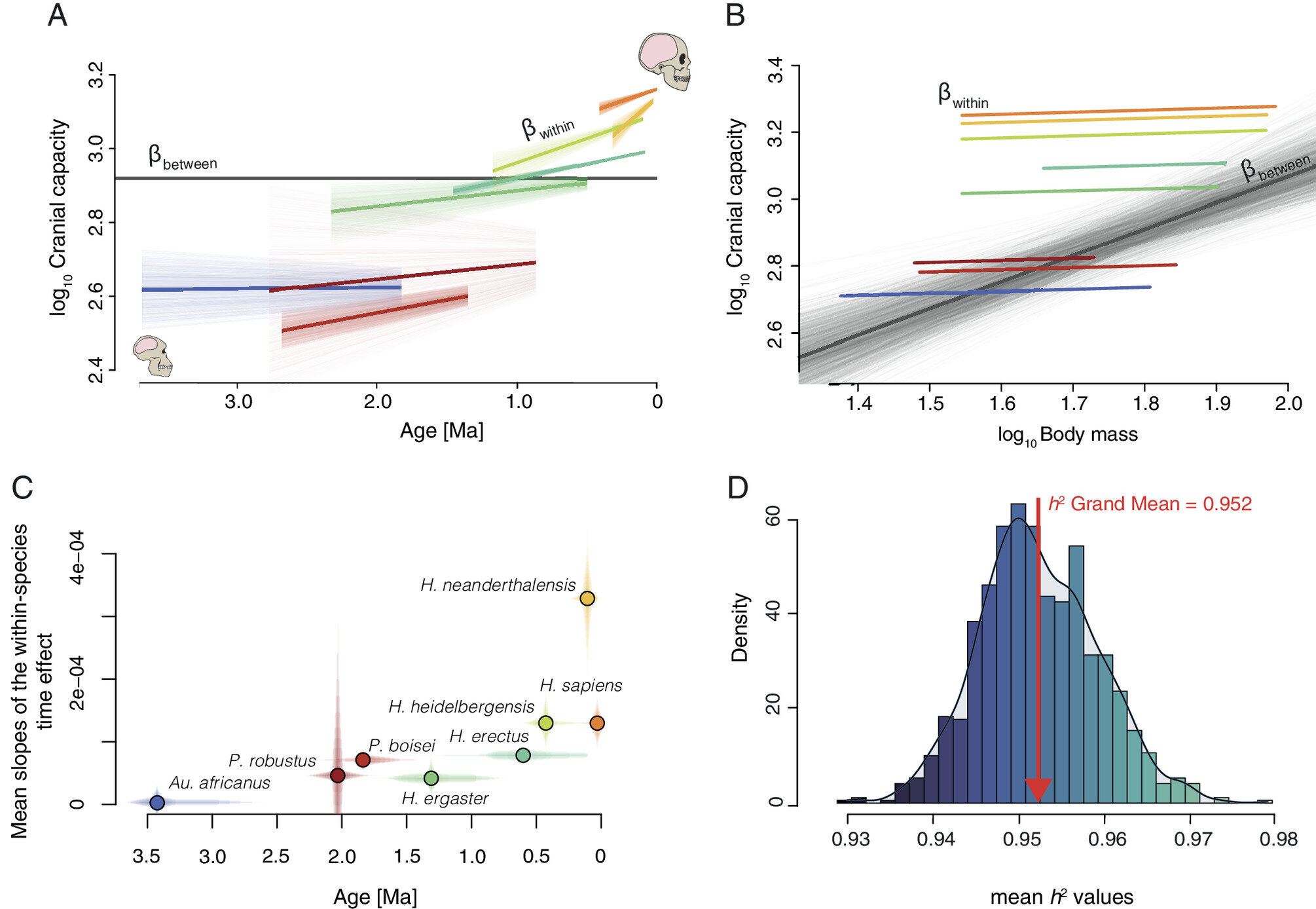
A new study published in PNAS reveals that the evolution of larger brains in modern humans, Neanderthals, and their relatives occurred gradually over millions of years, rather than through sudden leaps between species. Researchers from the University of Reading, Oxford, and Durham used a comprehensive fossil dataset and advanced methods to demonstrate steady brain size growth driven by gradual adaptation within species. This challenges previous theories of dramatic evolutionary changes and highlights the complexity of brain evolution.

The Evolutionary Surge: Unraveling the Growth of the Human Brain
science1 year ago

The Evolutionary Surge: Unraveling the Growth of the Human Brain

A new study reveals that human brain size increased gradually within species over millions of years, rather than through sudden leaps between species. This challenges previous beliefs about brain evolution, suggesting that gradual changes, rather than dramatic events, drove the development of larger brains in humans and their relatives. The research, involving a comprehensive dataset of ancient human fossils, highlights the complexity of evolutionary pressures on brain size, showing that larger brains evolved primarily from within-species changes.

"Growing Human Brain Size Linked to Reduced Dementia Risk"
health2 years ago

"Growing Human Brain Size Linked to Reduced Dementia Risk"

A study using data from the Framingham Heart Study reveals that human brains have been increasing in size over recent decades, with those born in the 1970s having larger brain volumes and surface areas compared to those born in the 1930s. This increase in brain size may potentially lower the risk of age-related dementias, suggesting the possibility of enhanced brain reserve. However, the study's cohort mainly consisted of non-Hispanic White, healthy, and well-educated individuals, so caution is advised in generalizing the findings to the broader U.S. population.

"Rising Brain Sizes in Younger Generations Linked to Lower Dementia Risk"
health-neuroscience2 years ago

"Rising Brain Sizes in Younger Generations Linked to Lower Dementia Risk"

A new study from the University of California analyzing data from the Framingham Heart Study suggests that human brains have been increasing in size between the 1930s and 1970s, potentially reducing dementia risk. The research found significant increases in various cerebral measures over time, with larger brain structures possibly reflecting improved brain development and health. While genetics play a major role in brain size, external influences such as health, social, cultural, and educational factors may also contribute. However, brain size is just one piece of the puzzle, and further research is needed to understand the impact on dementia risk, particularly in more diverse cohorts.

"Rapid Increase in Human Brain Size Over 75 Years"
health2 years ago

"Rapid Increase in Human Brain Size Over 75 Years"

A new study from the University of California Davis has found that the human brain has increased in size by 6.6 percent between the 1930s and the 1970s, with noticeable growth in volume, surface areas, and structures such as the hippocampus. This increase is attributed to improved health, social-cultural changes, and educational factors, and could potentially explain the decreasing incidence of brain diseases like Alzheimer’s. The research suggests that external influences, in addition to genetics, play a role in determining brain size and long-term brain health.