Tag

Caves

All articles tagged with #caves

Gigantic Jurassic Sauropod Tracks Stamped into a French Cave Ceiling
science11 days ago

Gigantic Jurassic Sauropod Tracks Stamped into a French Cave Ceiling

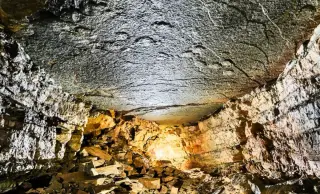
In Castelbouc Cave in southern France, researchers documented three-dimensional counterprint casts of sauropod footprints on the ceiling, dating to about 168 million years ago with tracks up to 1.25 meters long. The prints formed when dinosaurs walked across soft lagoon mud, later filled and preserved as rock, revealing that giant herbivores roamed coastal wetlands. Studying them required deep cave exploration and rare preservation conditions, and the team notes similar discoveries elsewhere may follow.

Possible Neanderthal Kneeprint Unearthed Deep Inside a French Cave
science13 days ago

Possible Neanderthal Kneeprint Unearthed Deep Inside a French Cave

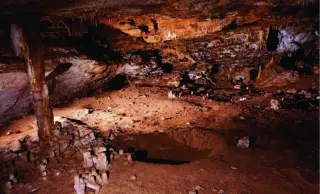
Scientists studying Bruniquel cave in southwestern France report a calcite-preserved kneeprint deep in the cavern that may belong to a Neanderthal dating to about 175,000 years ago, potentially connected to the cave’s underground circular structures built from broken stalagmites. While an animal origin is unlikely and researchers caution that more knee impressions and possibly preserved biological evidence are needed for confirmation, the find suggests early human groups ventured far underground and used the cave environment in sophisticated ways.

Saudi Lava Tubes Uncover 7,000 Years of Pastoral Life
science1 month ago

Saudi Lava Tubes Uncover 7,000 Years of Pastoral Life

Researchers at Umm Jirsan, a vast lava tube north of Medina, Saudi Arabia, found repeated human occupation from the Neolithic to Bronze Age, indicating the cave served as a stop along ancient pastoral routes. Rock art depicts cattle, sheep, goats, and dogs, while isotopic analysis shows livestock fed mainly on wild vegetation, suggesting an gradual shift toward oasis-based agriculture. This is the first in-depth study of lava tubes in Saudi Arabia and underscores caves’ value as time capsules when surface traces fade.

Ice Age Nomads Used Serbia’s Caves as Seasonal Shelters
science1 month ago

Ice Age Nomads Used Serbia’s Caves as Seasonal Shelters

New evidence from three caves in Serbia’s Morava River basin shows Ice Age humans used mountain caves as short‑term shelters rather than year‑round homes, suggesting mobile groups moved between inland sites and areas near the Adriatic during 25,000–19,000 years ago. Finds—primarily bladelets and bone tools—indicate diverse tool use and adaptation to harsh conditions, with each site serving a different role in a broader pattern of seasonal movement.

Cambodian cave survey uncovers flying snake and neon turquoise pit viper
science2 months ago

Cambodian cave survey uncovers flying snake and neon turquoise pit viper

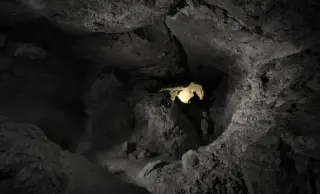
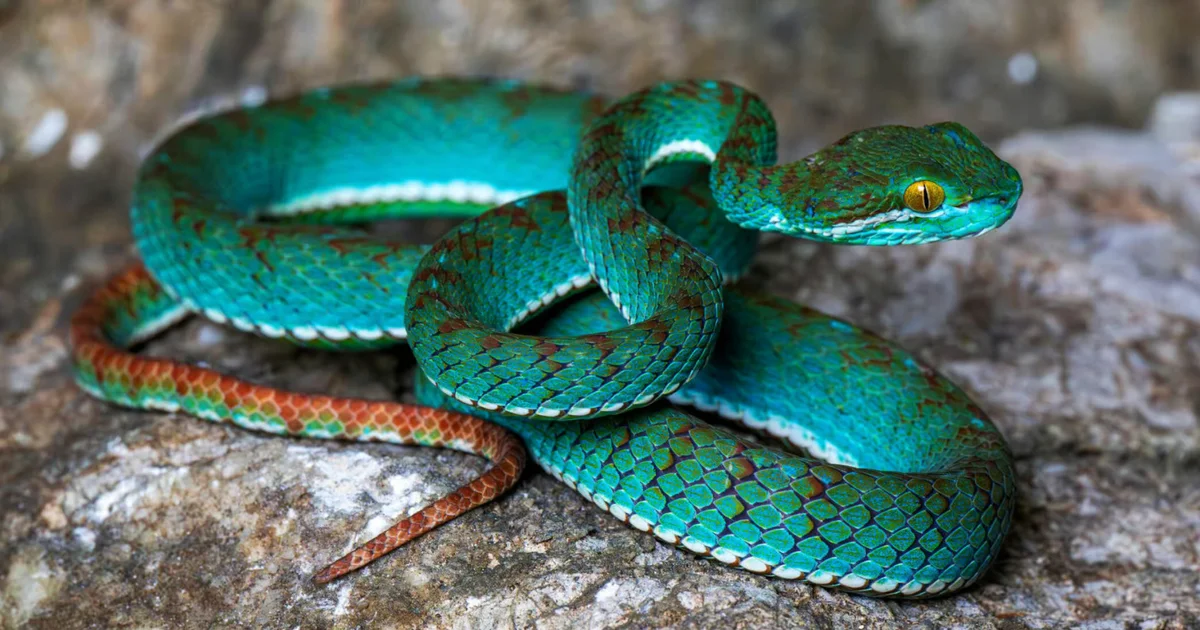
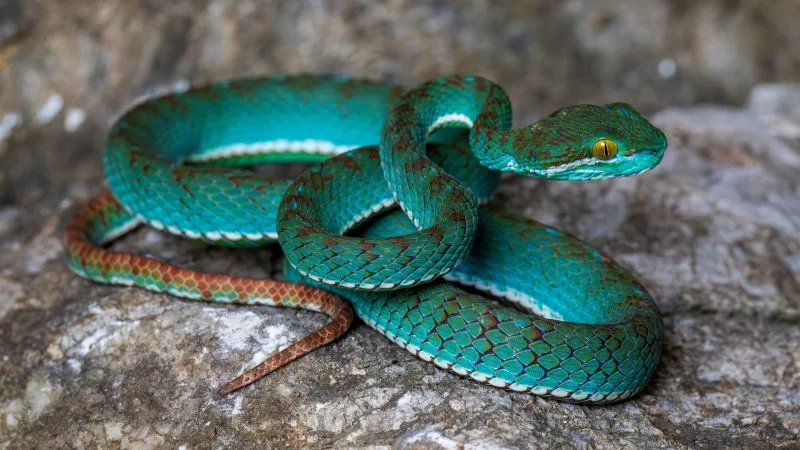
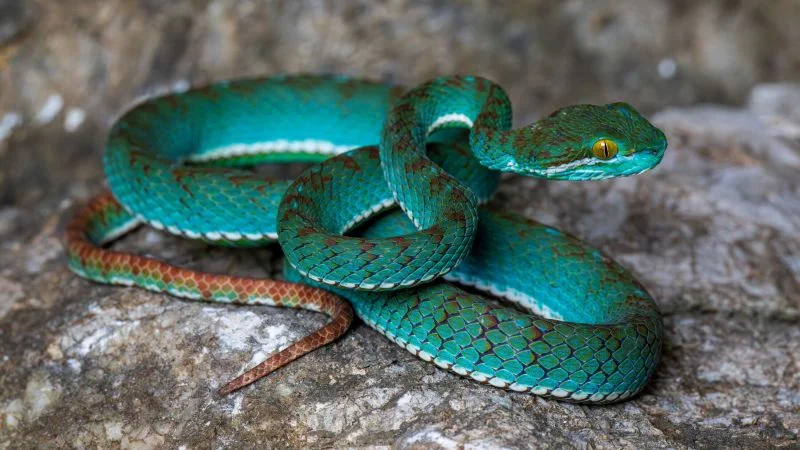
In a multi-year exploration of more than 60 limestone caves in Battambang, Cambodia, researchers uncovered rare and new species including a flying snake and a vivid, heat-sensing pit viper, along with camouflaged leaf-toed geckos and bright millipedes, highlighting how isolated karst ecosystems foster unique life and underscoring the need to protect these habitats, of which only about 1% is legally safeguarded.

Cambodian Karst Caves Reveal 11 New Species, Highlighting Fragile Biodiversity
science2 months ago

Cambodian Karst Caves Reveal 11 New Species, Highlighting Fragile Biodiversity

Scientists surveying Cambodia’s limestone karst revealed 11 species new to science across 64 caves, including a turquoise pit viper, an ornate flying snake, several geckos, micro-snails and millipedes. The discovery shows how isolated cave systems fuel rapid evolution, but warns that quarrying, tourism and habitat destruction threaten these species and underscores the need for protection.

Cambodia's hidden caves yield 11 new species, from turquoise pit viper to flying geckos
science2 months ago

Cambodia's hidden caves yield 11 new species, from turquoise pit viper to flying geckos

A survey of Cambodia’s karst limestone caves uncovered 11 species new to science, including a turquoise pit viper with a heat-detecting head organ, the ornate flying snake, several geckos (one named Gekko shiva), and other invertebrates, found across 64 caves on 10 karst hills between 2023 and 2025. Researchers warn that these isolated cave ecosystems are under threat from limestone quarrying, habitat loss, and overtourism, and call for protective status and continued conservation work.

Cave cyanobacteria harness near-infrared light, expanding the search for life in the cosmos
science3 months ago

Cave cyanobacteria harness near-infrared light, expanding the search for life in the cosmos

Scientists exploring Carlsbad Caverns in New Mexico found cyanobacteria on cave walls that can photosynthesize using near-infrared light thanks to chlorophyll d and f, enabling energy capture in darkness and in cave zones possibly untouched for about 49 million years. This widens the known range of photosynthesis, implying red-dwarf–type stars could host life and helping to refine the search for habitable exoplanets with JWST by focusing on longer wavelengths and lower light levels where oxygen could signal life.

Mysterious Martian Hole May Be Vital for Future Astronaut Survival
space-exploration4 months ago

Mysterious Martian Hole May Be Vital for Future Astronaut Survival

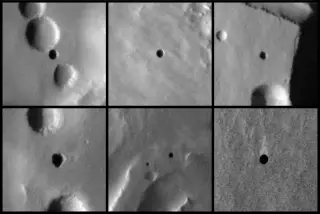
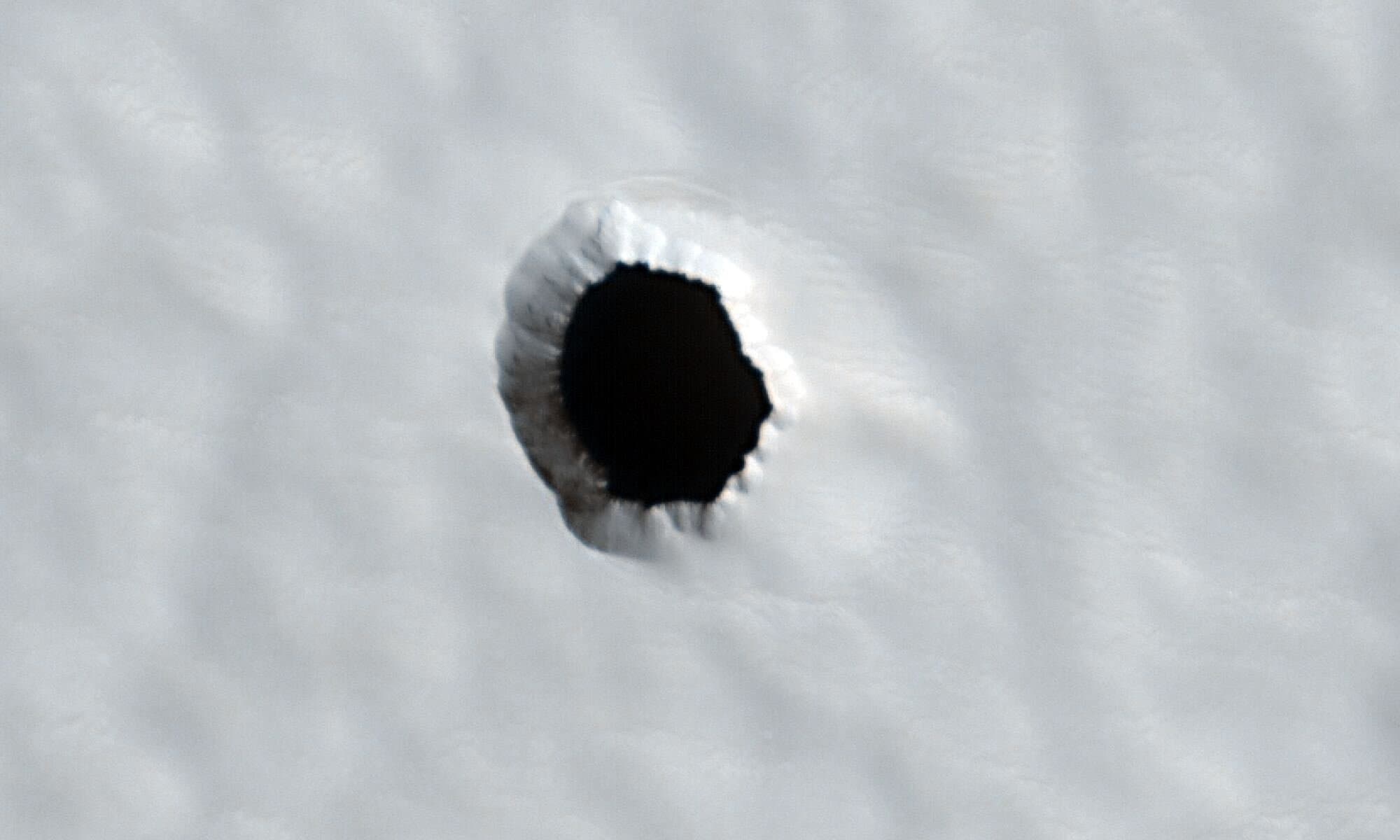
Scientists have discovered a mysterious hole on Mars that could be a skylight leading to lava tubes, which may serve as protective habitats for future human explorers by shielding them from radiation and harsh environmental conditions. The hole's exact nature is still under investigation, but it represents a promising avenue for exploring underground refuges on Mars, similar to lunar lava tubes, and could be crucial for sustainable colonization.