The International Olympic Committee has confirmed that seven countries are in formal dialogue to host the 2036 Summer Games. India and Qatar are among the bidders, with South Africa, Germany, Hungary, Turkey, and South Korea also participating. A final decision is expected in 2029.
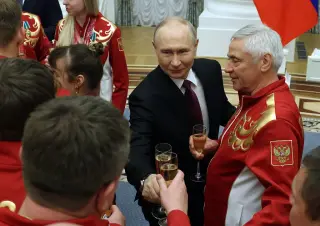
The International Olympic Committee decided to lift its suspension on Russian participation, allowing athletes to return to international competition, a move that Kyiv, EU officials, and European lawmakers say rewards aggression and undermines sanctions. They have called for reversing the decision, while FIFA and other bodies consider similar steps. Russia hailed the move as a return to the Olympic family, and the piece notes a broader pattern of sports organizations quietly restoring ties with Moscow, including the Paralympics’ earlier reinstatement amid ongoing war.
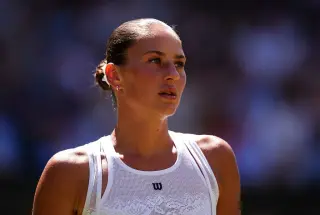
Ukrainian tennis player Marta Kostiuk, the second Ukrainian woman to reach Wimbledon’s semifinals, condemned the IOC’s provisional lift of the Russian Olympic Committee ban as "terrible" and said the decision is unfair, while she focuses on her match amid ongoing war in Ukraine and Russian attacks near Kyiv.
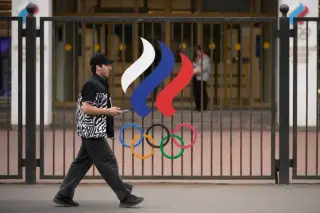
Lawmakers condemned the IOC's decision to provisionally lift the suspension of the Russian Olympic Committee, arguing it sends the wrong message amid Russia's invasion of Ukraine, even as the IOC says the move does not reflect a change in its stance on the war and has not decided on whether Russia's flag or anthem will be allowed at future Games, including the 2028 Los Angeles Olympics.
The IOC signaled a pathway for Russia to compete with a full team at the 2028 Los Angeles Games, signaling a potential return after sanctions by outlining prerequisites tied to anti-doping compliance and Olympic Charter rules.
The IOC Executive Board provisionally lifted the ROC suspension because ROC no longer includes regional bodies in territories under Ukraine’s NOC; the previous conditions for Russian participation are no longer applicable for LA28 and the 2028 Winter Youth Games, but returning athletes must still meet anti-doping requirements, with a national RUSADA/ROC program overseen by the ITA and coordinated by IFs. The IOC will not host events in Russia or invite Russian government officials, and a decision on displaying the Russian flag, anthem, or identifications at the Games will be made by IFs and organizers. The IOC remains in solidarity with Ukraine and will continue support through solidarity programs, while monitoring RUSADA governance and reserving the right to reassess measures by 2028 if compliance questions persist.
The International Olympic Committee unveiled the Fit for the Future Olympian grant, offering $10,000 for each Olympic Games an athlete competes in (funded from a $140 million-per-Games pool), with about 14,000 eligible athletes. Grants are distributed through National Olympic Committees, do not decrease existing IOC support, and require athletes to hold Olympic accreditation and meet anti-doping/ethics standards; Youth Olympic Games participants are ineligible. Applications for 2026 Olympians open later this year, with first payments in 2027. The move is part of broader IOC reforms, alongside charter updates and discipline-level evaluation for Brisbane 2032.
The IOC says Belarusian athletes can compete without government-imposed restrictions, allowing participation as individuals (AINs) at events including Paris 2024 and Milano Cortina 2026, to uphold athletes’ right to compete free from political interference. The Belarus NOC is in good standing, and the policy does not apply to Russia, whose ROC remains suspended amid ongoing anti-doping scrutiny; LA28 and 2028 Winter Youth Olympics qualification windows begin this summer.
The IOC's 2026 policy requires testing for the SRY gene to classify athletes by sex, a move meant to bar transgender athletes from women’s competitions but likely to exclude many intersex women who were assigned female at birth because biological sex is complex and the policy provides no case by case exceptions.
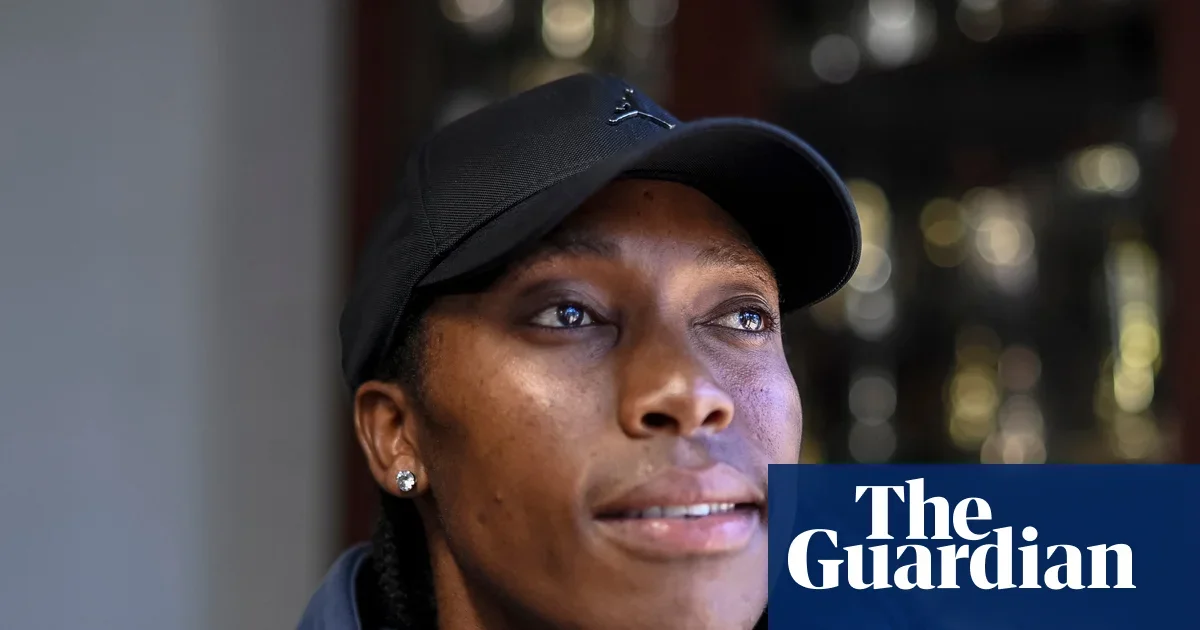
Caster Semenya criticized the IOC's decision to reinstate sex verification tests for the 2028 Olympics, calling it disrespectful to women and highlighting potential harms to athletes from Africa and the global South. The IOC will use a one-time SRY gene test to determine female eligibility (via saliva, cheek swab, or blood), effectively excluding many transgender and intersex athletes and reviving chromosomal testing used from 1968 to 1996.
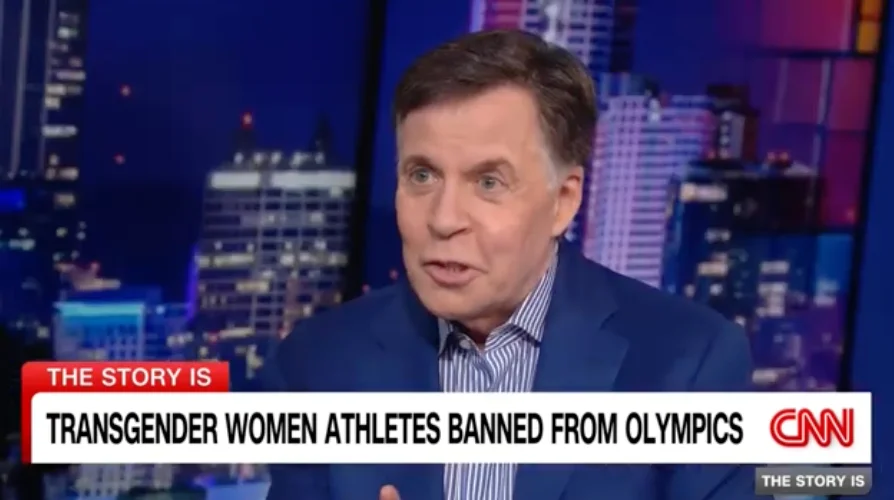
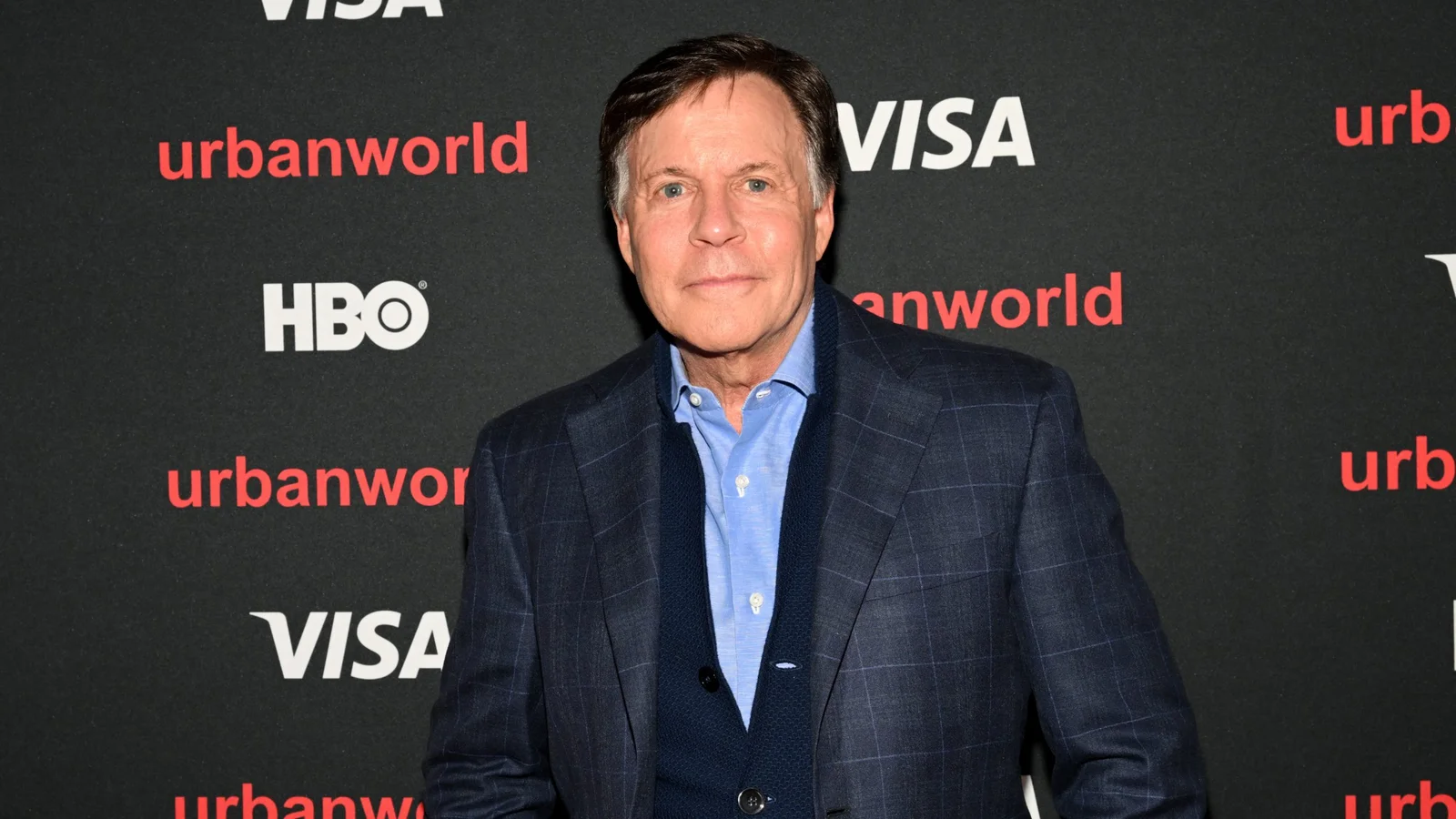
Bob Costas defended the IOC’s policy restricting Olympic women’s events to biological females, calling the move “common sense” while stressing that transgender people deserve dignity and opposing discrimination; he argued the policy reflects longstanding reasons for separate men’s and women’s sports and cited historical examples in contrast to trans athletes competing with women.
Bob Costas publicly endorses the IOC’s decision to maintain separate female categories in Olympic events, arguing that common sense and fairness require that athletes biologically female compete against each other. The piece cites his CNN appearance and framing of the issue as about balance between inclusion and competitive integrity, highlighting ongoing debate over how to ensure a level playing field in women’s sports.
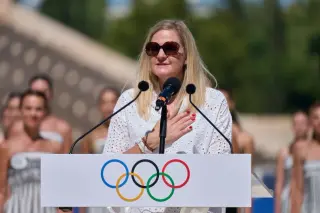
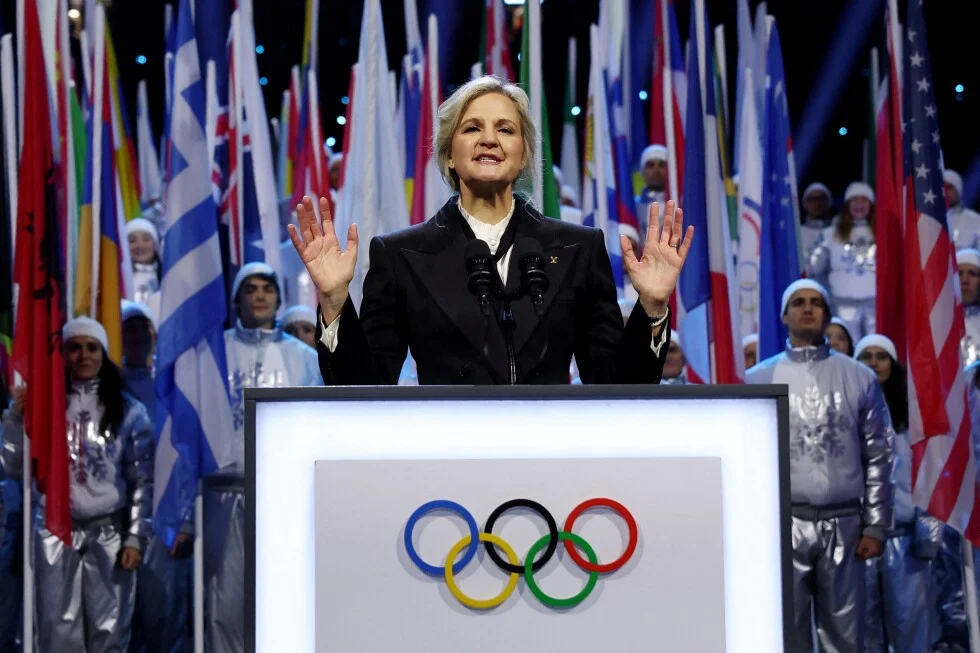
The IOC announced a policy barring transgender women from competing in Olympic women's events, a move led by IOC President Kirsty Coventry amid ongoing debates over gender eligibility in sport, with reference to related legal battles such as Caster Semenya's case.
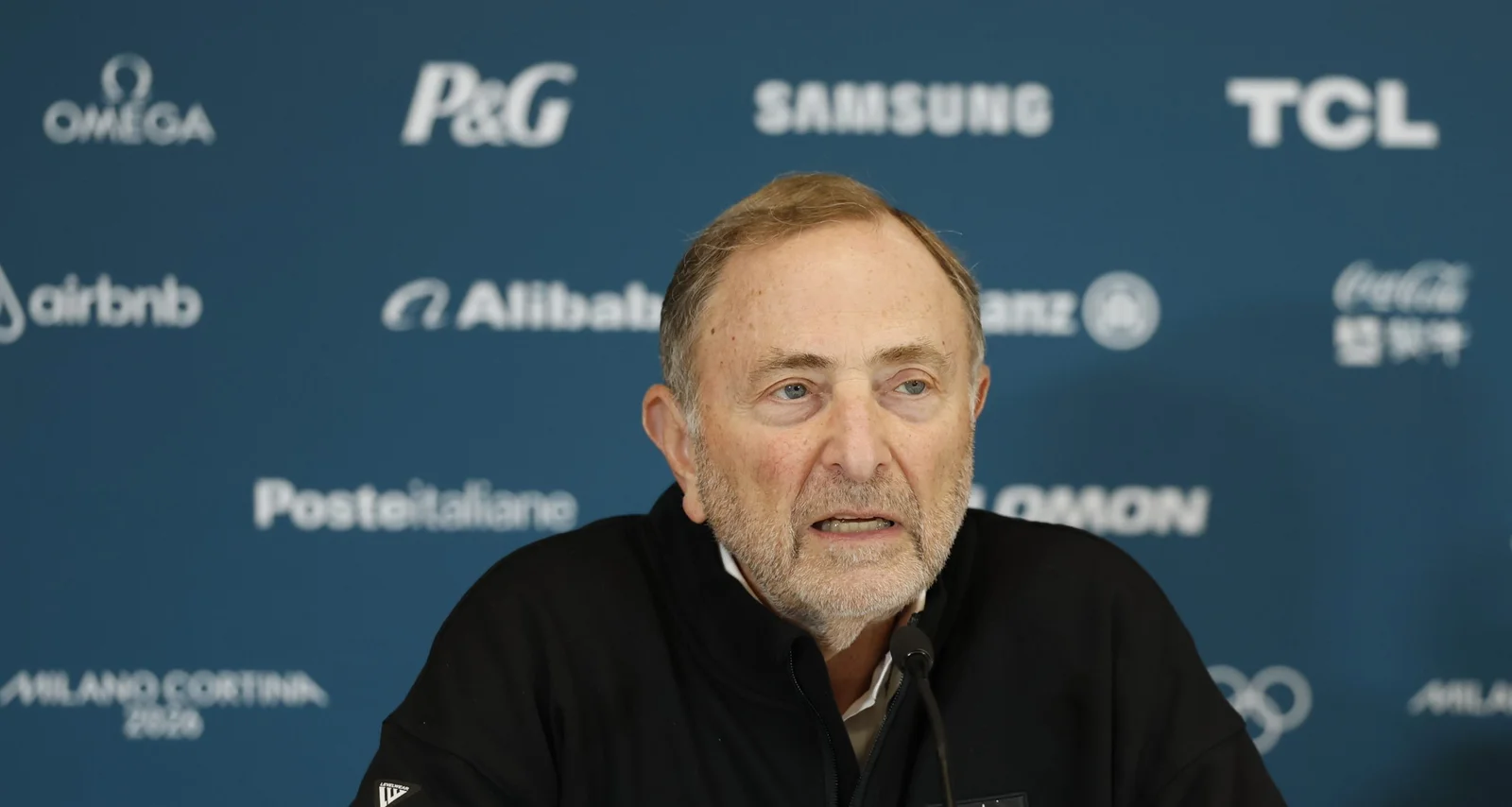
NHL commissioner Gary Bettman said the U.S.-Canada Olympic hockey gold medal game drew strong ratings (18.6 million, peaking at 26 million) but its 8:10 a.m. ET start due to IOC scheduling likely kept millions from watching live; he’s pressuring the IOC to consider a better timeslot for future Games (including Salt Lake City 2034 in primetime) and criticized the IOC for restricting use of Olympic footage in marketing, noting ongoing talks with IOC president Kirsty Coventry.
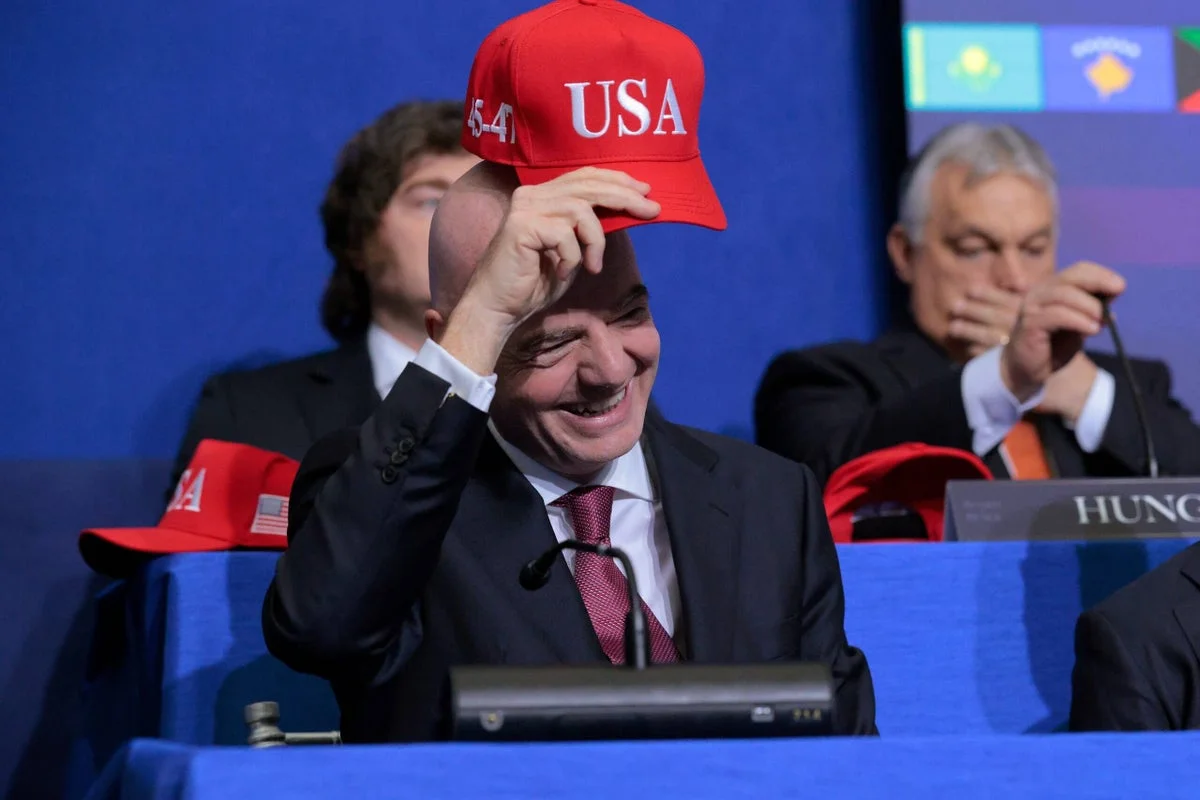
The IOC said it will investigate FIFA president Gianni Infantino for potential breaches of its neutrality charter after he attended the inaugural meeting of Donald Trump’s The Board of Peace, wore a USA hat, and announced a FIFA partnership, a controversy tied to his longstanding ties with Trump.