
technologyhealth5.78 min read
AI Finds Early ADHD Risk Signals From Birth-to-Childhood Health Records
5 months ago•Source: Neuroscience News

The latest technologyhealth stories, each synthesized from multiple sources with added background and context.
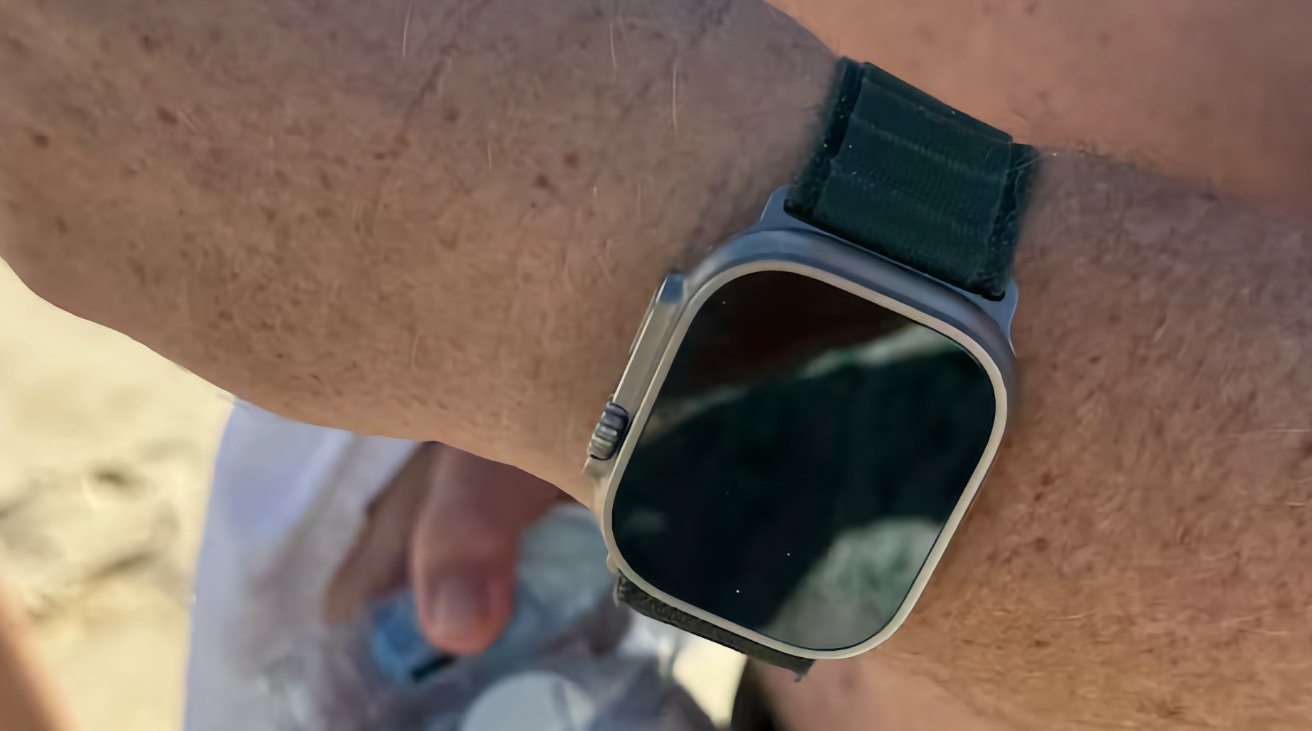
An experienced swimmer in New South Wales, Australia, was rescued after using his Apple Watch to call for help when he was caught in strong ocean currents and dragged a kilometer offshore. The swimmer, Rick Shearman, used the watch's SOS function to contact emergency services, who dispatched a rescue helicopter to save him. The incident highlights the life-saving potential of wearable technology in emergency situations.

The New York Times•2 years ago
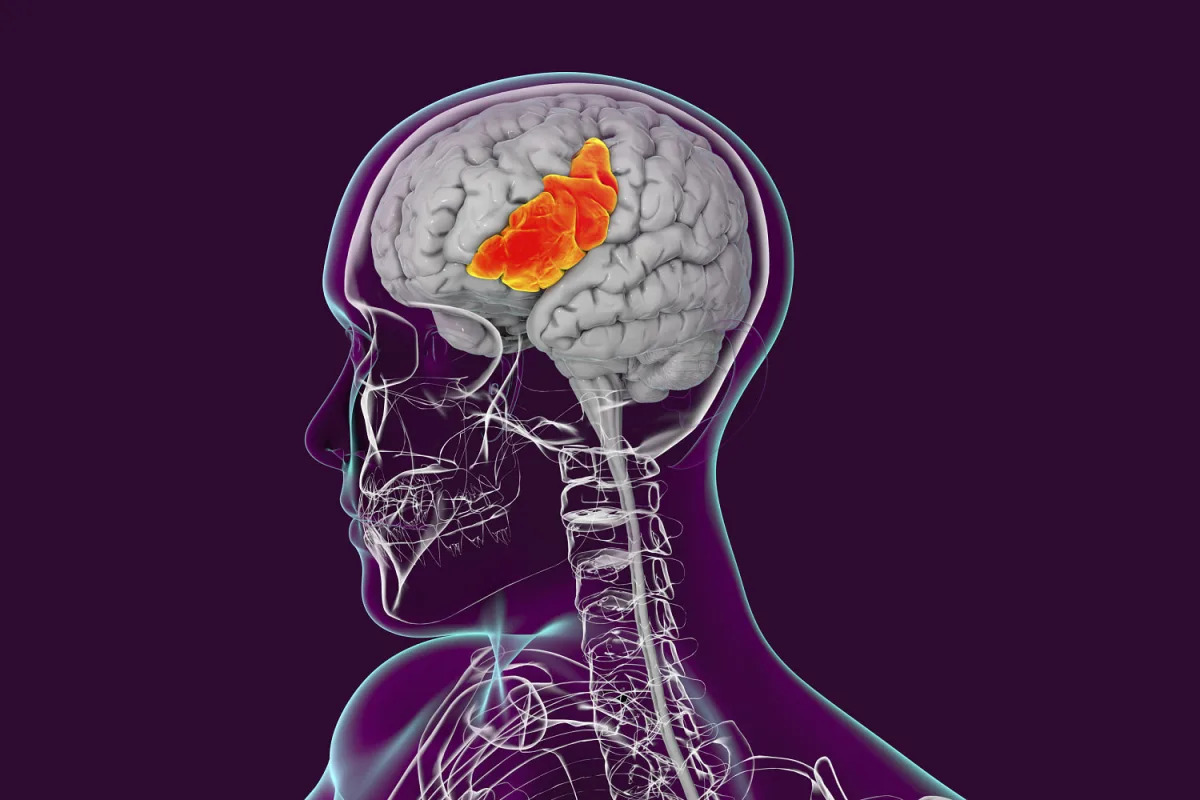
Scientists at the University of California, San Francisco have developed a bilingual brain implant using AI to help a stroke survivor named Pancho communicate in both Spanish and English. The implant decodes his brain activity into sentences, allowing him to switch languages based on preference. This breakthrough demonstrates the potential of bilingual speech neuroprostheses to restore natural communication for bilingual individuals with paralysis.
The first person to receive Neuralink's brain-chip implant shares how the device has significantly improved his quality of life by enabling him to reconnect with the world, interact on social media, and regain a sense of independence despite initial challenges and risks.
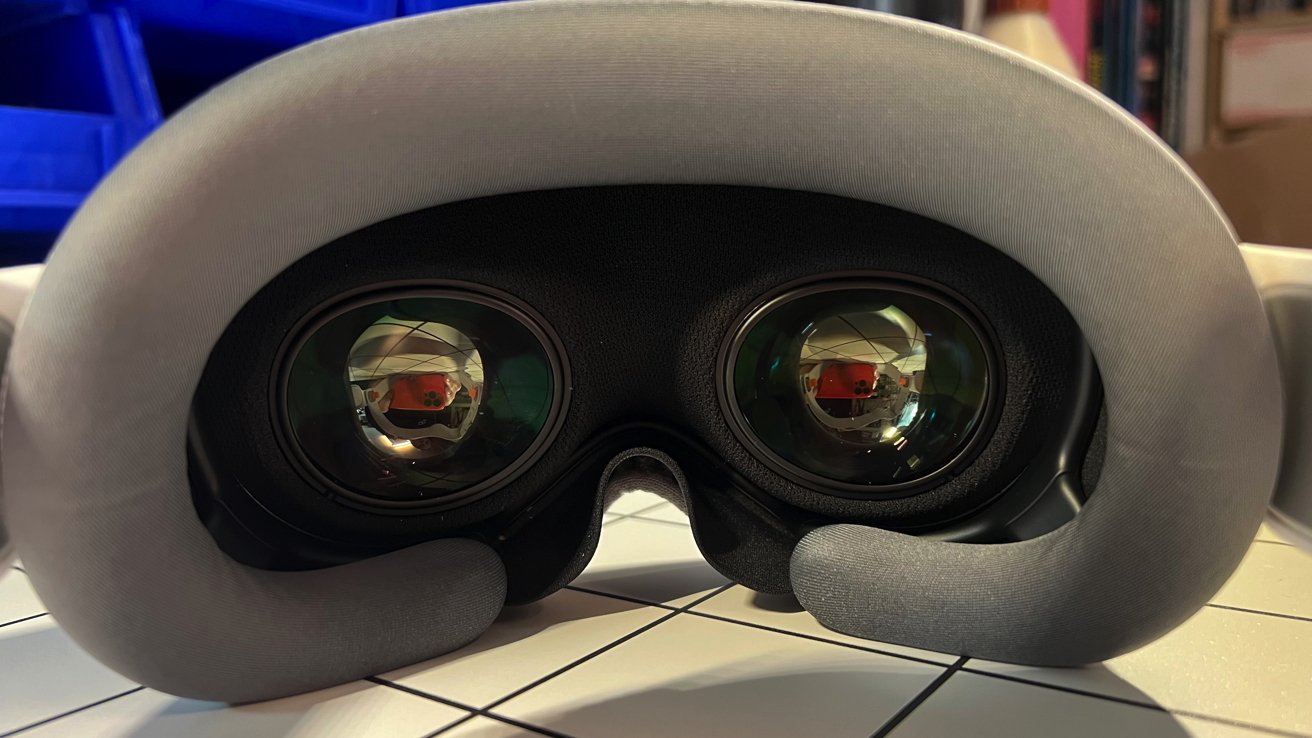
The Apple Vision Pro's use of Pulse Width Modulation to regulate brightness and color mix may pose health risks for some users, including motion sickness and potential issues related to constant flashing. Strobing lights can trigger flicker vertigo, photosensitive epilepsy, and aggravate other health conditions such as migraines and traumatic brain injuries. The device's design, which covers the user's entire field of vision, increases the impact of the strobing. Users experiencing any unusual symptoms are advised to stop using the device and consult a doctor, while caution is urged for new owners to avoid excessive use.