
Austrian gravel pit yields Europe's largest prehistoric iron hoard
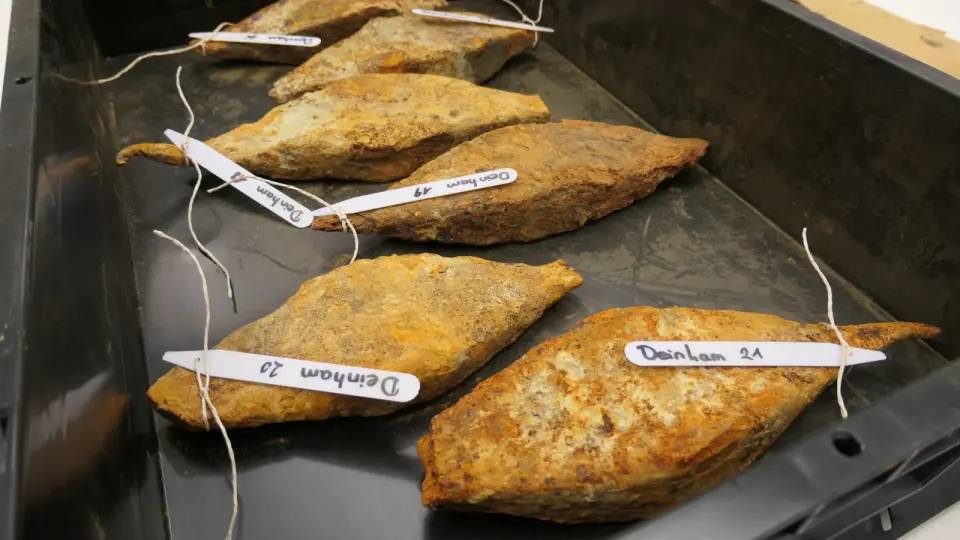
Archaeologists have identified 500 iron bars recovered from a gravel pit in the Danube River as the largest prehistoric iron find in Europe. Dating to the 3rd and 2nd centuries BCE, the semi-finished ingots could have produced 500 swords or 8,000 nails, suggesting massive trade networks in the La Tène period.
Key points
- Discovered in 2019 by gravel workers in Deinham, Austria, the 500 iron bars were initially mistaken for scrap metal.
- The collection, weighing one metric ton, consists of 193 complete and 307 partial double-pointed bars from the La Tène period.
- Researchers estimate the iron could forge 500 swords or 8,000 nails, indicating a significant economic transaction.
- The find challenges previous assumptions about the scale of iron trade and production in Iron Age Europe.
- Trace-element analysis is underway to determine if the iron originated from the Celtic oppidum of Manching in Bavaria.
Background
This discovery follows other recent archaeological findings, such as the 2026 theft of the Bronze Age Treasure of Villena in Spain, which highlighted the value and fragility of ancient metal artifacts. While the Villena theft involved gold and meteoritic iron, the Deinham find focuses on the logistical scale of iron distribution in pre-Roman Europe.
How outlets are covering it
Live Science and Gizmodo both emphasize the sheer volume of the find, noting it is the largest mass discovery of prehistoric iron in Europe. Live Science highlights the potential to equip an entire army, while Gizmodo focuses on how this rewrites understanding of ancient trade networks. CPG Click Oil and Gas provides technical detail on the preservation challenges, noting that the gravel crusher inadvertently cleaned one-third of the bars, aiding analysis. All sources agree on the dating to the La Tène period (450–1 BCE) and the significance of the find for understanding Iron Age economics.
Why it matters
The discovery provides concrete evidence of large-scale iron trade in pre-Roman Europe, challenging previous assumptions about the limited scope of metal exchange. It offers insights into the economic systems, such as the role of coinage and trade partners, that facilitated the movement of heavy goods like iron across the Danube region.
What to watch
Researchers are conducting trace-element analysis to determine the origin of the iron, with a hypothesis pointing to the Celtic oppidum of Manching in Bavaria. Further studies aim to understand whether the bars were produced in a single workshop and how they were sourced, which could reveal more about Iron Age technology and trade organizations.
- 'Rusty treasure' found in Danube has 2,000-year-old iron that could equip a whole army with weapons Live Science
- 'Rusty treasure' find revealed as Europe's largest assemblage of prehistoric iron bars Phys.org
- A Massive, 2,000-Year-Old Iron Haul Could Rewrite What We Know About Ancient Trade Gizmodo
- 'Rusty Treasure' in Austria Revealed as Europe's Largest Cache of Iron Age Iron Bars Yahoo
- Gravel workers in Austria pulled 500 rusty lumps out of the Danube, and the crusher in their own plant had already done the one job the experts could not CPG Click Oil and Gas
Want the full story? Read the original reporting
Read on Live Science