Tag

Iron Age

All articles tagged with #iron age

Ancient Scottish Burial Reveals Brain Removal and Bone Tools in Iron Age Rituals
archaeology1 month ago

Ancient Scottish Burial Reveals Brain Removal and Bone Tools in Iron Age Rituals

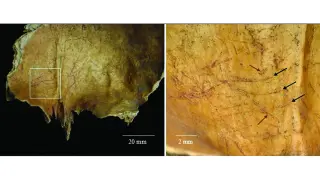
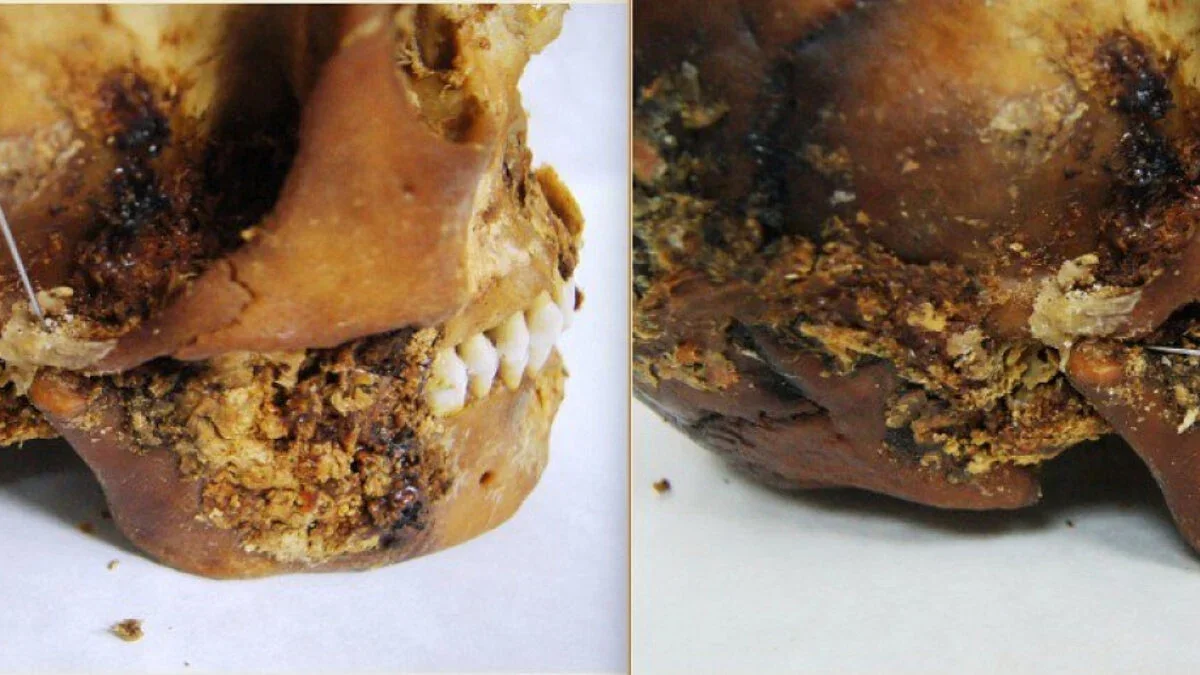
A 2,000-year-old burial at Loch Borralie in northern Scotland shows an older woman’s skull with brain-removal markings and arm bones whittled into tools placed back in the grave, alongside a nearby adolescent whose remains were unmodified. The researchers say the motivation is unclear, with brain removal possibly tied to cannibalism or skull display. Ancient DNA links Individual 1 and a ~15-year-old Individual 2 as second cousins and connects them to other prehistoric Scottish sites, suggesting Iron Age maritime networks and long-distance social ties across the north coast of Britain.

Brain-removal ritual linked to Iron Age Scottish burial, study finds
archaeologyscience1 month ago

Brain-removal ritual linked to Iron Age Scottish burial, study finds

An Iron Age Scottish woman likely had her brain deliberately removed after death as part of a burial rite, based on skull cut marks and a base fracture. Four long bones were polished and repositioned in the grave, suggesting reverence for the deceased. DNA and radiocarbon dating place her and a nearby young male as relatives who died between 50 BCE and 70 CE, highlighting complex funerary practices in Iron Age Britain.

Ancient Serbia mass grave reveals deliberate violence against women and children in Early Iron Age
archaeology4 months ago

Ancient Serbia mass grave reveals deliberate violence against women and children in Early Iron Age

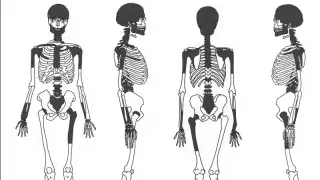
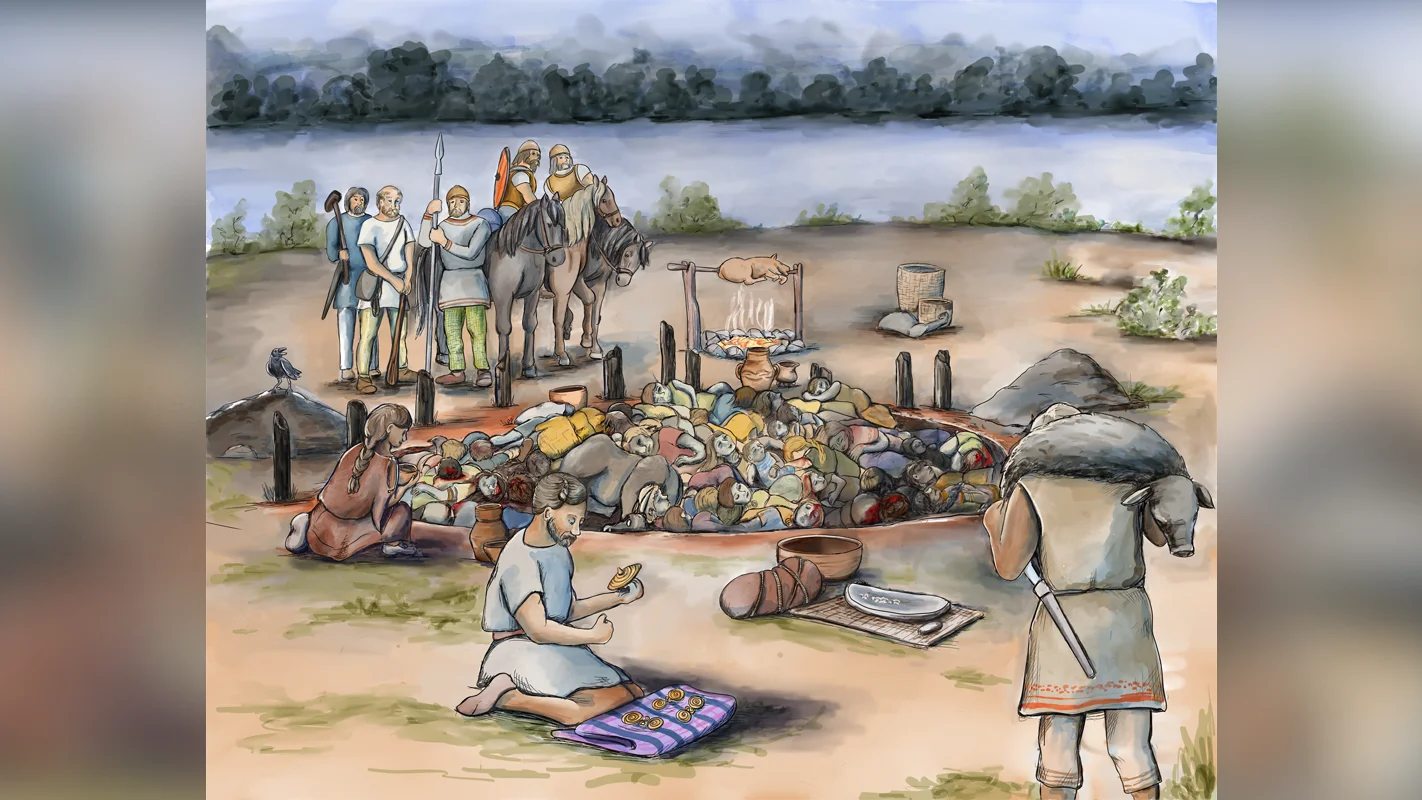
Archaeologists studying a roughly 2,800-year-old mass grave at Gomolava, Serbia, uncovered 77 skeletons with an unusually high proportion of women (over 70%) and children (about 69%). The remains show extensive blunt-force trauma to the head, suggesting deliberate, close-contact violence by likely taller attackers (perhaps on horseback). Isotope and DNA analyses indicate the individuals came from varied origins, pointing to a heterogeneous group rather than a single local raid and implying a broader ninth-century power struggle in the Carpathian Basin. Researchers view the burial as a strategic act to disrupt kinship networks and rebalance political forces in prehistoric Europe.

2,000-year-old footprint rescued from Scottish shore as tide closes in
culture4 months ago

2,000-year-old footprint rescued from Scottish shore as tide closes in

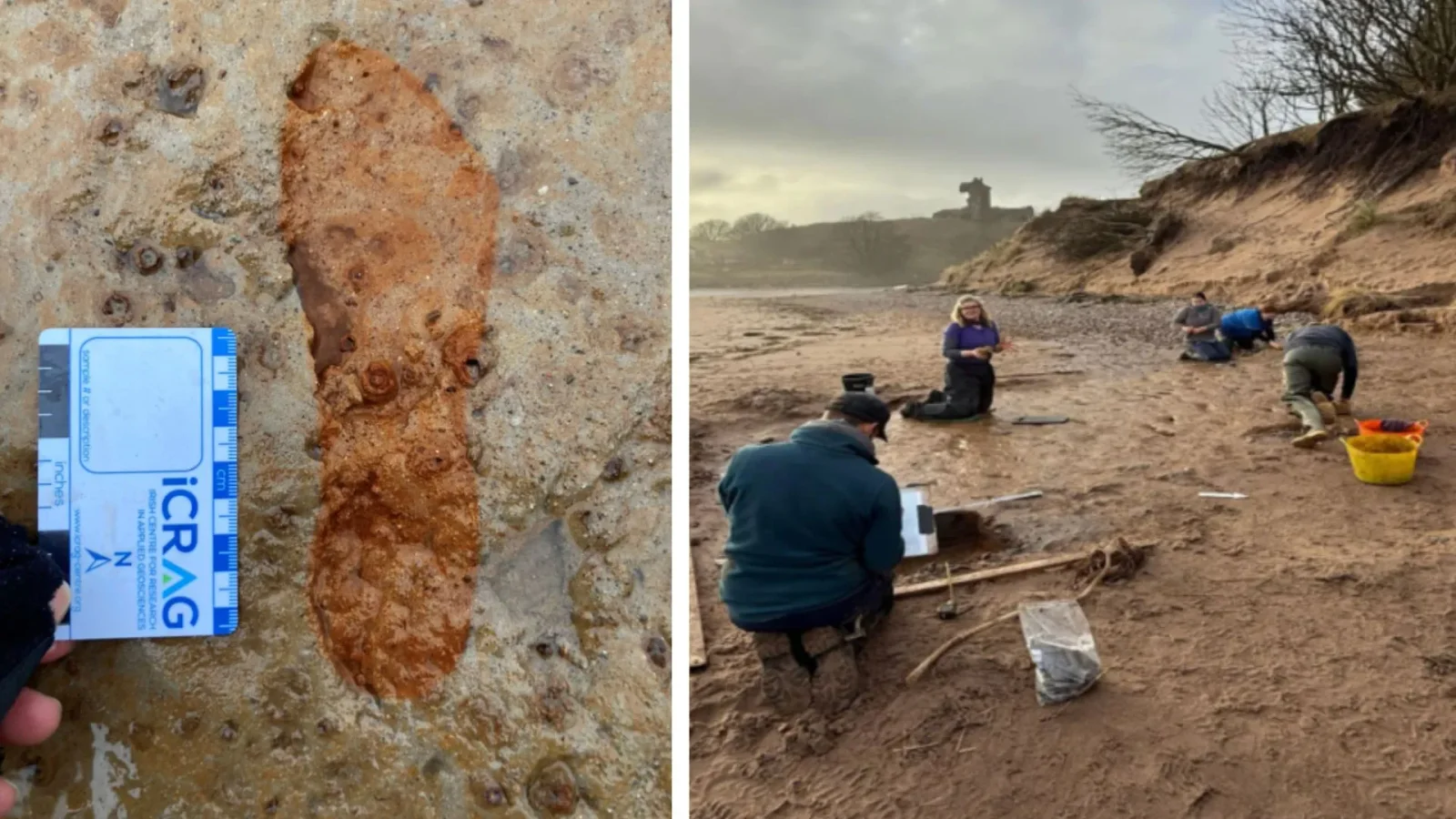
Archaeologists rushed to Lunan Bay in eastern Scotland after storms uncovered a rare 2,000-year-old footprint dating to the late Iron Age near the time of Roman expansion. They documented and cast the print—creating 3D models and plaster casts—before the waves washed the site away, preserving a tangible link to ancient inhabitants and a snapshot of the landscape and ecology from two millennia ago.

Archaeologists Discover Rare Iron Age Ceremonial Wheel in Scotland
archaeology1 year ago

Archaeologists Discover Rare Iron Age Ceremonial Wheel in Scotland

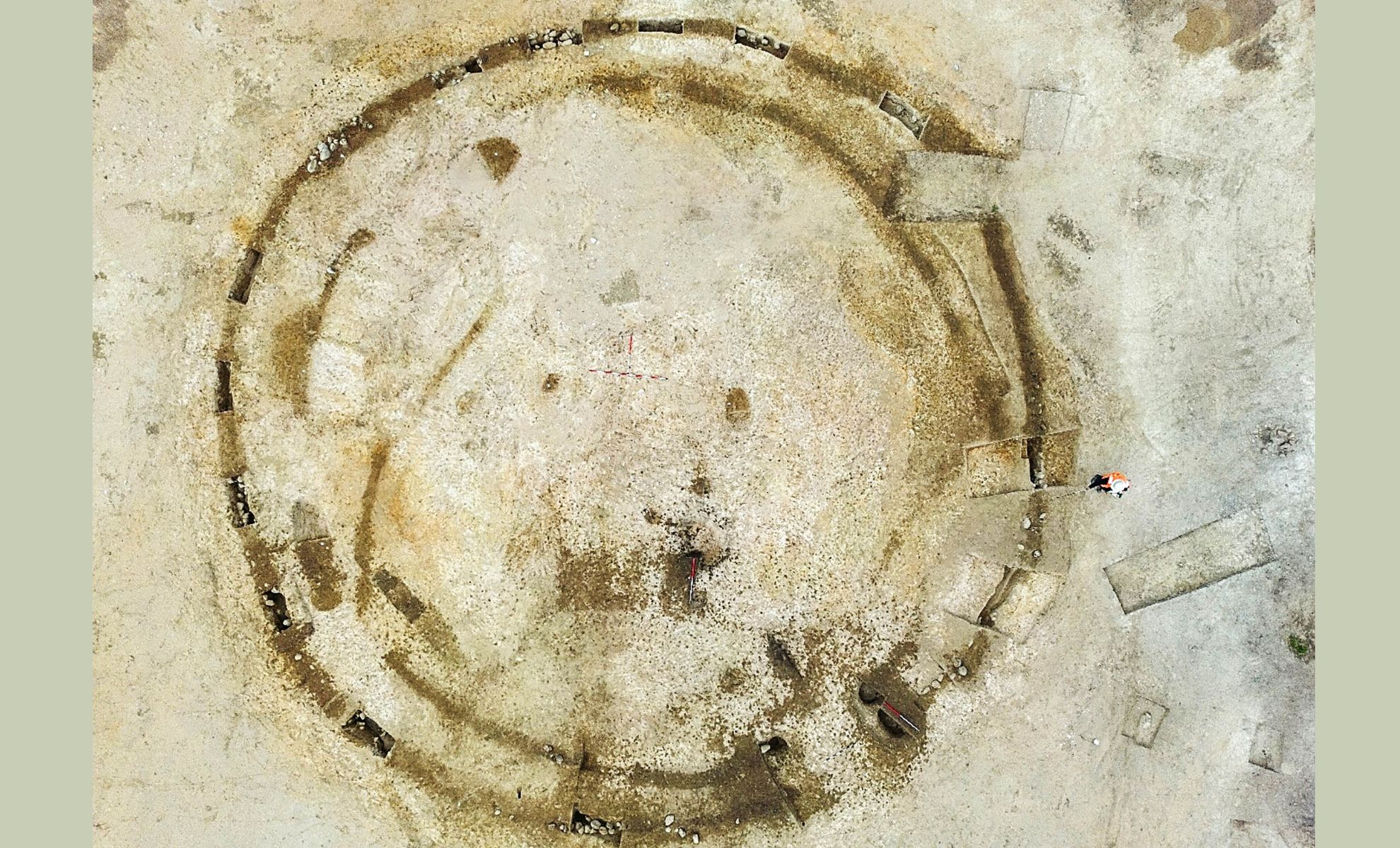
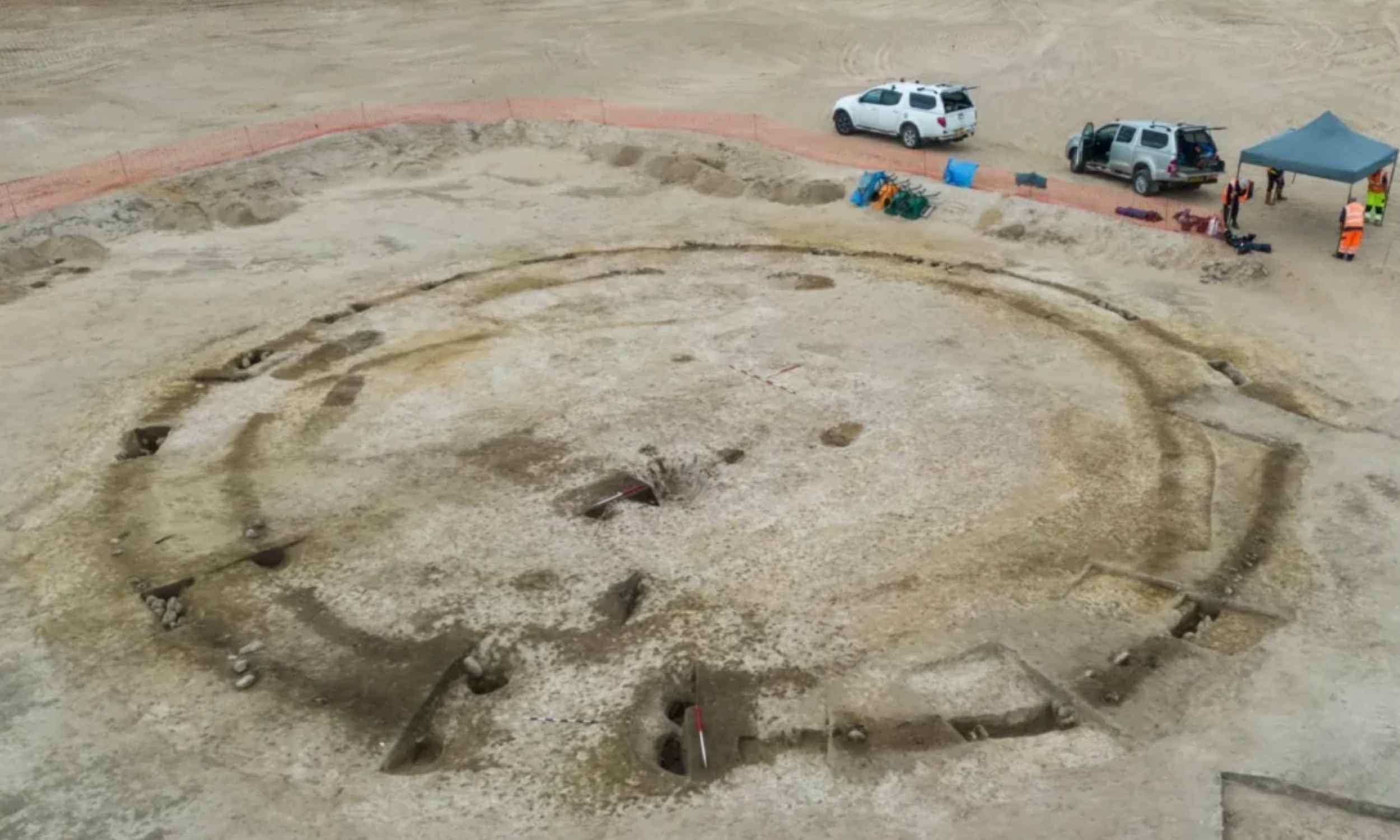
Archaeologists in Inverness, Scotland, discovered a rare Iron Age ceremonial wheel, likely part of a high-status burial, shedding new light on ancient Highland societies' social and ritual practices. The well-crafted iron tire, found near cremated remains and a prehistoric palisade circle, suggests complex craftsmanship and social hierarchies, challenging previous understandings of Iron Age Scotland.

"Iron Age Infant with Down's Syndrome Identified Through Advanced DNA Testing"
archaeologygenetics2 years ago

"Iron Age Infant with Down's Syndrome Identified Through Advanced DNA Testing"

Researchers have identified an Iron Age infant with Down's syndrome and the first prehistoric person with mosaic Turner syndrome using a new DNA testing method that measures the amount of chromosomes in ancient human cells more precisely. The study, conducted by the University of York, the Francis Crick Institute, the University of Oxford, and Oxford Archaeology, revealed that these chromosomal abnormalities have been present in human history for over 2,000 years. The individuals tested lived across various time periods, and the research sheds light on how sex, gender, and diversity were perceived in past societies.

Ancient Child's Shoe Found with Intact Laces: A Remarkable Archeological Find
archaeology2 years ago

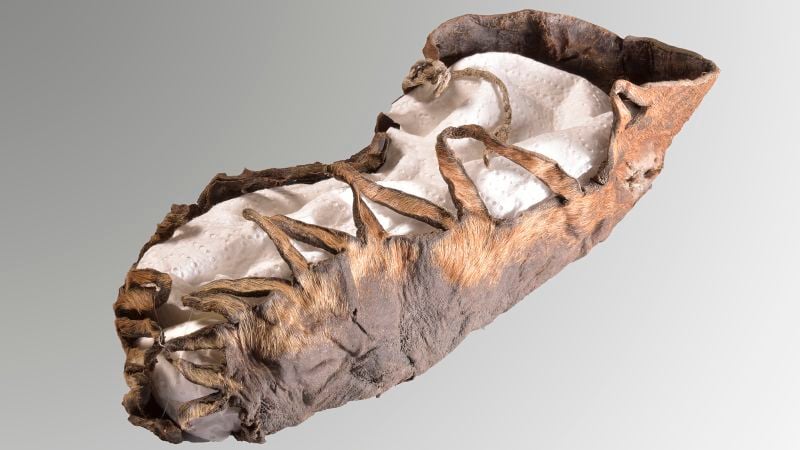
Ancient Child's Shoe Found with Intact Laces: A Remarkable Archeological Find

Archaeologists in Austria have unearthed a 2,000-year-old child's shoe with its laces still intact. The leather shoe, believed to have been made in the 2nd century BC, was found in the village of Dürrnberg, known for its rock salt mining. The shoe's preservation is attributed to the salt's ability to keep organic remains in good condition. The discovery provides valuable insights into the lives of Iron Age miners and highlights the presence of children in underground mining activities.

"Remarkable Discovery: Ancient Gold Necklaces Unearthed by Spanish Water and Waste Workers"
archaeology2 years ago

"Remarkable Discovery: Ancient Gold Necklaces Unearthed by Spanish Water and Waste Workers"

Two gold necklaces dating back around 2,500 years have been discovered in northwestern Spain by a water company worker. The find, which includes a broken necklace, provides valuable insights into the Iron Age and the craftsmanship of that era. Unlike previous discoveries, the intact site offers precise information about the context of the necklaces. The objects show signs of wear, indicating their use by the upper echelons of society. The regional government of Asturias praised the worker for promptly reporting the find, which opens up new avenues for studying this emblematic type of jewelry from the Iron Age.