
GM Unveils AI-Driven Strategy to Halve Development Time and Launch Eyes-Off Autonomy
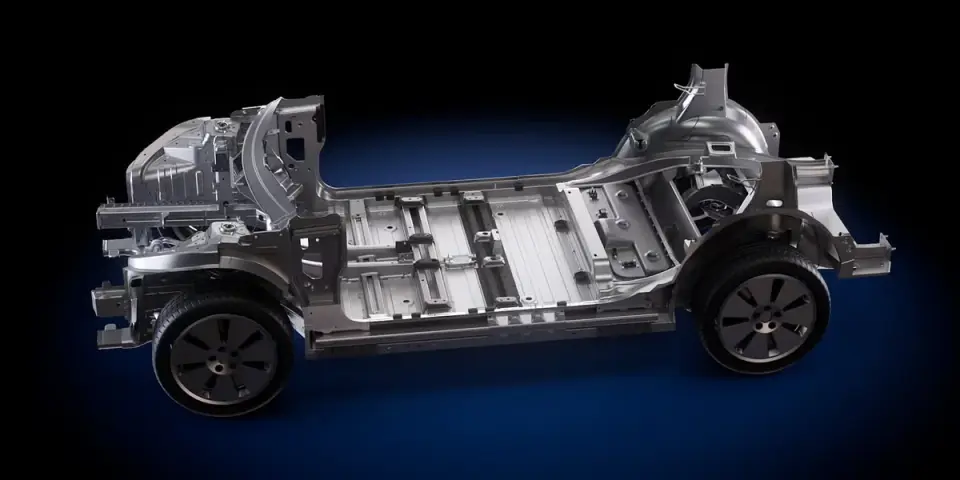
General Motors announced a comprehensive technological overhaul at its GM Forward event in New York, centering on a new centralized electrical architecture, AI-accelerated development, and a revamped OnStar ecosystem. The company aims to cut vehicle development time from four to five years to roughly two years by leveraging decades of historical data. Key hardware updates include a single central computer replacing dozens of ECUs, offering 40 times more computing power and 30% less wiring. Software updates include a new AI assistant and a unified mobile app, while 'eyes-off' autonomous driving is targeted for 2028. Next-generation EVs will feature lithium manganese rich batteries with 33% higher energy density.
Key points
- GM aims to reduce vehicle development cycles to two years using AI and historical data, a significant shift from the current four-to-five-year timeline.
- The company is introducing a new central compute module that replaces multiple electronic control units, increasing processing power by 40 times and reducing wiring by 30%.
- OnStar AI will be integrated across the lineup, capable of handling tasks like ordering takeout or managing errands, with a focus on end-to-end encryption for user data.
- GM is developing a Gen-4 EV platform using lithium manganese-rich (LMR) batteries, which promise energy densities comparable to nickel-manganese-cobalt cells but at a 30% lower cost.
- Level 4 'eyes-off' autonomy is targeted for 2028, initially for the Cadillac Escalade IQ, with plans to expand to pickups and crossovers.
Background
This announcement follows GM's previous strategic pivots, including the mothballing of its Cruise robotaxi division. The move aligns with broader industry trends where automakers are racing to match the rapid product cycles of Chinese competitors like BYD and Xiaomi. Earlier coverage noted GM's focus on improving vehicle quality and reducing development time, but this event marks the first concrete hardware and software roadmap for achieving those goals through AI integration.
How outlets are covering it
While Road & Track emphasizes the potential for affordable EVs through the new LMR battery platform, Ars Technica focuses on the trust and safety implications of GM's autonomous and AI-driven features. The New York Times highlights the competitive pressure from Chinese automakers as the primary driver for GM's accelerated development timeline. All sources agree on the core technical specs but differ in their emphasis on the commercial viability versus the technological ambition of the new platform.
Why it matters
GM's strategy could redefine the US automotive landscape by making advanced autonomy and affordable EVs more accessible. If successful, it could shift the competitive balance away from Chinese manufacturers and re-establish GM as a leader in both electrification and autonomous technology. The focus on data privacy and end-to-end encryption also addresses past consumer concerns, potentially rebuilding trust in GM's digital ecosystem.
What to watch
GM plans to launch the OnStar AI assistant in the 2027 Cadillac Lyriq and aims to have Level 4 autonomy ready by 2028. The company will continue testing its autonomous systems in both virtual and real-world environments, with a goal of 1 million miles of testing per month. The success of the new LMR battery platform will be critical in determining whether GM can deliver affordable EVs at scale.
- General Motors Is About to Bet Big on a New Electric Platform Road & Track
- Forget "Malaise 2.0," GM says it's still all-in on EVs and autonomy Ars Technica
- GM Aims to Bring ‘Eyes-Off’ Driving to AI-Powered Cars Within 2 Years The New York Times
- GM simulated 300,000 EV battery designs before building a single cell. Now comes the physical part Fortune
- GM bets on new batteries, AI to make EVs mainstream, but skips the energy storage boom Yahoo Finance
Want the full story? Read the original reporting
Read on Road & Track