
Beam Therapeutics sues former scientist over alleged IP theft for Chinese startup
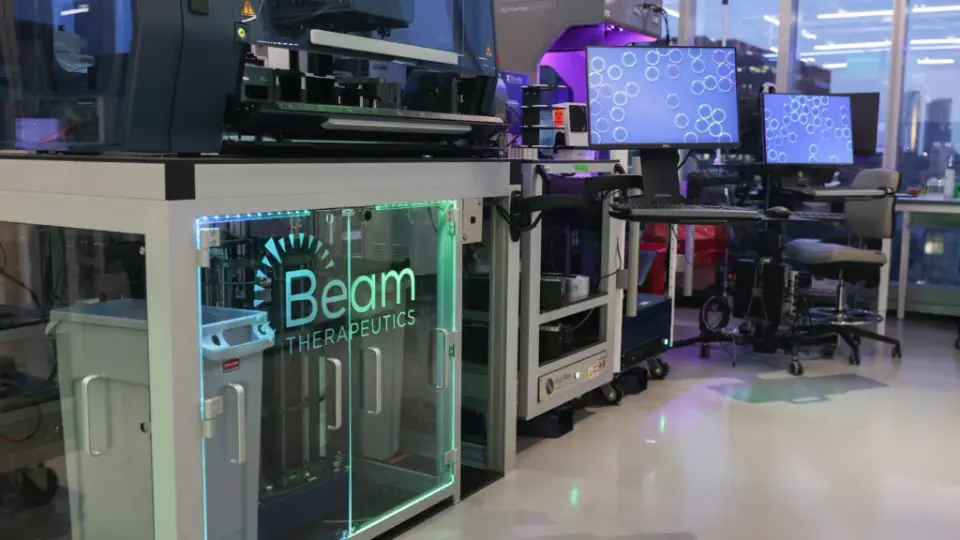
Cambridge-based gene-editing firm Beam Therapeutics has filed a lawsuit alleging that former scientist Zi Jun 'Emma' Wang stole proprietary data to co-found a Shanghai-based company, YolTech Therapeutics. The suit claims Wang accessed electronic lab notebooks during off-hours to build the foundation for a new venture, Serapha Bio, which recently secured funding from venture capital firms RA Capital and RTW. This legal action highlights rising tensions between American biotech firms and Chinese counterparts, as Beam seeks to protect its intellectual property from alleged misappropriation.
Key points
- Beam Therapeutics filed a lawsuit late last week against former employee Zi Jun 'Emma' Wang and two companies, YolTech Therapeutics and Serapha Bio.
- The complaint alleges Wang accessed Beam's electronic laboratory notebooks late at night and on weekends to extract confidential information.
- Wang is accused of using this stolen data to co-found YolTech Therapeutics, a company based in Shanghai.
- YolTech recently partnered with venture capital firms RA Capital and RTW to form a new startup named Serapha Bio.
- Both YolTech and Serapha are named as defendants in the case filed by Beam.
- The lawsuit occurs amid escalating tensions between American biotech companies and their Chinese counterparts.
Background
This dispute arises within a broader biotech sector that has seen significant financial recovery and increased venture capital activity in 2026. Recent months have seen a surge in IPOs and large funding rounds, including a $350 million Nasdaq listing by Electra Therapeutics and a $188 million Series E for LifeMine Therapeutics. While the industry has experienced a multi-year high in funding, with approximately $12.6 billion invested in the US and Europe in the first half of 2026, concerns over intellectual property theft and cross-border data security remain prominent. The current case adds to a narrative of heightened scrutiny regarding the movement of sensitive research data between US and Chinese entities.
Why it matters
The lawsuit underscores the critical importance of intellectual property protection in the gene-editing sector, where proprietary data can drive multi-billion dollar valuations. It also reflects the growing geopolitical friction between the US and China in the biotech space, where allegations of data theft can disrupt international collaborations and funding. For venture capital firms like RA Capital and RTW, involvement in such disputes may raise compliance and due diligence questions, potentially affecting future investment strategies in cross-border biotech ventures.
What to watch
The legal proceedings will likely focus on proving the alleged unauthorized access to Beam's electronic lab notebooks and the subsequent use of that information to establish YolTech and Serapha. The outcome could set a precedent for handling IP theft cases involving US-China biotech collaborations. Investors and industry observers will watch for any regulatory responses or further legal actions that may emerge from this dispute, as it could influence how companies manage sensitive data and international partnerships.
Want the full story? Read the original reporting
Read on statnews.com