
US Households Shift to Survival Mode as Inflation Outpaces Wages
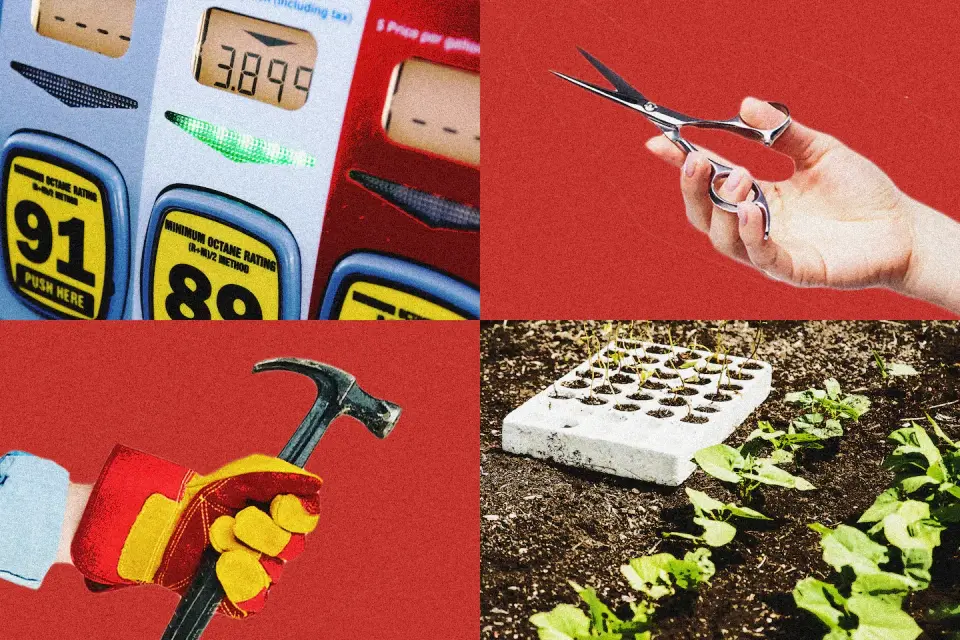
American consumers are increasingly adopting cost-cutting strategies, such as DIY projects and reduced savings, to cope with persistent inflation. While aggregate spending remains robust, individual households report tightening budgets due to high fuel prices and the ongoing Iran conflict. Experts note that inflation is now outpacing wage growth, creating a 'belt-tightening' environment where discretionary spending is delayed in favor of essential goods.
Key points
- Households are prioritizing essential expenses over discretionary items due to rising costs.
- Inflation is currently exceeding wage growth, creating financial strain for many families.
- The ongoing war in Iran is contributing to sustained high fuel prices and global instability.
- Consumer confidence is declining, with a shift toward a 'getting by' mentality.
- Overall consumer spending remains strong, but the pace of economic growth is expected to be modest.
Background
This development follows recent Federal Reserve signals that interest rates may rise if inflation fails to cool, as noted in August 2026. Earlier data from the Dallas and Cleveland Fed suggested some cooling in alternative inflation gauges, but skepticism persists regarding the durability of these trends. The current consumer behavior contrasts with previous periods where spending remained 'begrudgingly' high despite rising prices.
How outlets are covering it
The Washington Post highlights a shift in consumer behavior, noting that families are hunting for deals and embracing DIY projects to manage budgets. In contrast, Auto Service World emphasizes the psychological impact of economic uncertainty, with industry expert Michael Chung describing consumers as 'bruised and battered' by the cumulative effect of rising costs. While The Post focuses on the persistence of high prices despite strong aggregate spending, Chung points to the specific strain of inflation outpacing wage growth, suggesting a more cautious and value-focused consumer mindset.
Why it matters
The shift toward cost-cutting indicates a potential slowdown in discretionary spending, which could impact broader economic growth. As inflation outpaces wage growth, households may have less buffer for unexpected expenses, increasing financial vulnerability. This trend could also influence business strategies, as companies must adapt to a more selective and value-focused consumer base.
What to watch
Economists expect incremental but modest economic growth in the near term. Consumer behavior is likely to remain cautious, with continued focus on essential spending and reduced discretionary purchases. The impact of the Iran conflict on fuel prices and global supply chains will be a key factor in determining the trajectory of inflation and consumer confidence in the coming months.
- As high prices persist, some Americans are cutting back on spending The Washington Post
- What to expect as consumers tighten their belts Auto Service World
Want the full story? Read the original reporting
Read on The Washington Post