
Bond Market Rejects Warsh's Inflation Pledge, Driving Yields to 19-Year Highs
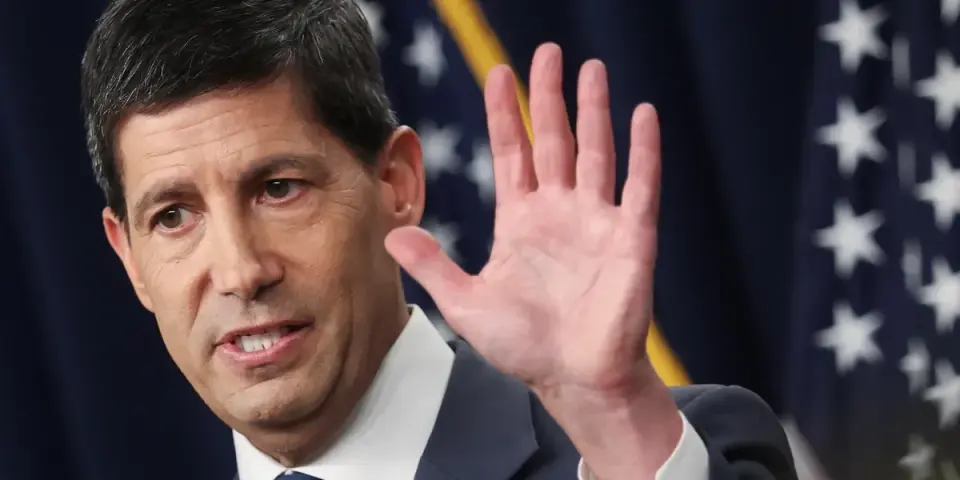
The Federal Reserve held interest rates at 3.5% on July 29, 2026, despite inflation remaining at 4.1%. Chair Kevin Warsh's press conference failed to reassure markets, causing the 30-year Treasury yield to spike to 5.23%, its highest level in 19 years. The S&P 500 fell 1.52%, and the Nasdaq entered correction territory, reflecting deep skepticism regarding the Fed's commitment to price stability.
Key points
- The Fed maintained the federal funds rate at 3.5% for the fifth consecutive meeting, despite PCE inflation sitting at 4.1%, well above the 2% target.
- The 30-year U.S. Treasury yield surged to 5.23%, a 19-year high, while the 10-year yield approached 4.69%, signaling a loss of confidence in the Fed's inflation control.
- Stock markets reacted negatively, with the S&P 500 dropping 1.52% and the Nasdaq 100 falling over 10% from its peak, entering official correction territory.
- Traders now assign a 65% probability to a rate hike in September, up from previous estimates, as they doubt the Fed's current stance.
- Three Fed members dissented from the decision, favoring a rate increase, highlighting internal division within the central bank.
Background
Since June 2026, Fed Chair Kevin Warsh has signaled a hawkish pivot, emphasizing price stability over growth. Earlier meetings saw the Fed hold rates at 3.5%-3.75% while nine FOMC members signaled future hikes. This latest meeting continues that trend, but the market's reaction is significantly more severe than previous holds, indicating a shift from caution to outright skepticism.
How outlets are covering it
Fortune highlights the 'brutal' reaction from Wall Street, quoting analysts who describe the bond market's move as a 'credibility shock' and criticizing Warsh for failing to explain the inaction. CNN focuses on the specific yield spikes, noting that long-term yields surged while short-term yields dipped, suggesting traders are pricing in future hikes but demanding immediate compensation for inflation risk. Both outlets agree that Warsh's rhetoric about a '2% target' was not backed by policy action, leading to a divergence between his statements and market expectations. Fortune emphasizes the 'nonsense' of the policy description, while CNN notes the market's shift from 'sanguine' to 'cautious' and 'nervous'.
Why it matters
The sharp rise in long-term bond yields increases borrowing costs across the economy, including mortgages, which recently hit 6.58%. This could tighten financial conditions, potentially slowing economic growth. The Fed's credibility is now in question, which may force it to act more aggressively in the future to restore confidence, potentially leading to higher interest rates sooner than expected.
What to watch
Markets are now pricing in a 65% chance of a rate hike in September. The Fed may need to adjust its policy or communications to restore credibility. Investors will watch for signs of a more aggressive stance from the Fed in the coming months, as well as the impact of higher borrowing costs on the broader economy.
- Wall Street reacts brutally to Fed chair Warsh’s interest rate hold: ‘the bond market puked on him’ Fortune
- Stock Market Today: Dow Futures Tick Up; Bond Selloff Extends; Oil Ticks Higher — Live Updates WSJ
- The Fed Faces a Credibility Crisis—and the Stock Market Will Pay the Price Barron's
- The bond market to Kevin Warsh: What are you doing about inflation? CNN
- Government Borrowing Cost Hits Two-Decade High After Fed Rate Decision The New York Times
Want the full story? Read the original reporting
Read on Fortune