
Fed Chair Warsh Faces Credibility Crisis as Bond Yields Spike
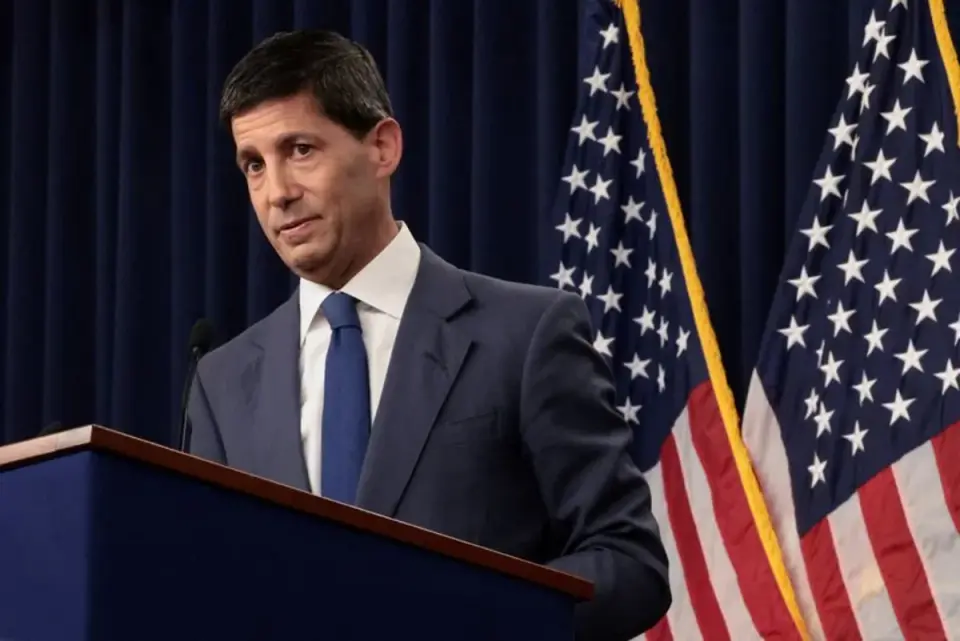
Federal Reserve Chair Kevin Warsh is facing intense pressure from bond markets that have interpreted his recent policy stance as a 'red flag' for inflation. After the Fed held rates at 3.5% in July, yields on long-term Treasuries surged to multi-year highs, with the 30-year bond reaching approximately 5.23%. Investors have grown skeptical of Warsh's commitment to the 2% inflation target, citing a lack of concrete forward guidance. This volatility has forced the Fed to choose between maintaining its current data-driven approach or risking a credibility shock by altering its communication strategy.
Key points
- The bond market has reacted negatively to Fed Chair Kevin Warsh's recent remarks, viewing them as a warning sign for rising inflation.
- Following the July decision to hold rates at 3.5%, long-term Treasury yields climbed to multi-year highs, with the 30-year yield reaching 5.23%.
- Investors have questioned the Fed's credibility, noting that Warsh’s press conference emphasized the 2% inflation goal but lacked specific actionable plans or forward guidance.
- Market expectations have shifted, with futures pricing a higher probability of a September rate hike and a potential peak rate of 4.23% by next June.
- The current situation forces Warsh to balance his data-driven, less-guided policy approach against the risk of a credibility shock in financial markets.
Background
This development follows a series of events in mid-2026 where Warsh’s leadership style clashed with market expectations. In late July, bond traders expressed doubt regarding his inflation resolve after vague remarks, leading to a sell-off in bonds. Earlier in the month, markets punished the Fed’s hold on rates, causing the S&P 500 to drop 1.5% and pushing Brent crude above $90 per barrel. These tensions are part of a broader concern that Warsh’s hawkish pivot could increase borrowing costs for major sectors, including AI infrastructure and Big Tech, which have been heavily investing in capital expenditures.
Why it matters
The disconnect between the Fed's communication and bond market expectations threatens to destabilize financial markets. If Warsh cannot restore confidence in the Fed's ability to control inflation, rising yields could increase borrowing costs across the economy, potentially slowing growth and impacting asset prices. The credibility of the central bank is essential for managing inflation expectations; a loss of this trust could lead to persistent inflation and economic volatility.
What to watch
Investors will closely watch the Fed's next meeting and Warsh's subsequent communications for any shift in tone or concrete policy signals. The market will assess whether the Fed moves to address the 'red flag' raised by bond traders or maintains its current stance, which could further influence rate expectations and stock market performance.
Want the full story? Read the original reporting
Read on Yahoo Finance