
China's July Trade Data Shows Export Resilience Driven by AI Chips Despite Domestic Slump
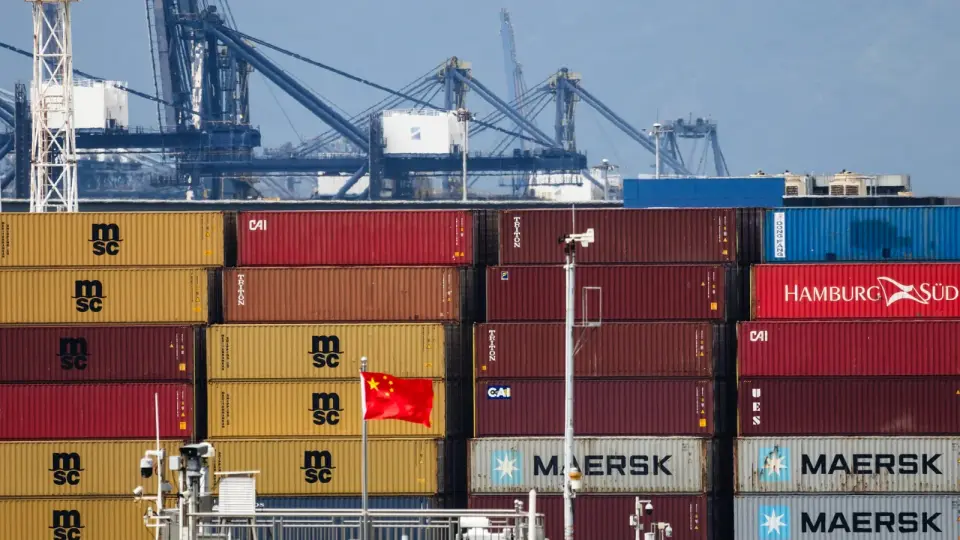
China's July exports grew 23.9% year-on-year, exceeding forecasts, while imports rose 27.5%. The trade surplus reached $112.5 billion, narrowing from June but still beating estimates. Strong demand for AI components and high-tech goods offset weak domestic consumption, which saw GDP growth slow to 4.3% in Q2.
Key points
- Exports rose 23.9% in July, outpacing the 22.2% forecast but slowing from June's 27% surge.
- Imports increased 27.5%, slightly missing the 27.9% estimate and down from June's 36% jump.
- The trade surplus was $112.5 billion, higher than the $107 billion estimate but lower than June's $125.6 billion.
- Integrated circuit exports surged 117% in July, with total chip exports nearly doubling year-to-date.
- Exports to the U.S. grew 17% in July, accelerating from 14% in June, ahead of new tariff changes.
- Domestic consumption remains weak, with Q2 GDP growth at 4.3% and June retail sales up just 1%.
Background
China's Q2 GDP growth slowed to 4.3%, the weakest pace since late 2022, signaling weak domestic demand despite strong export performance. June exports had surged 27%, the fastest since 2021, but domestic consumption lagged with retail sales growing only 1% in June. The current trade data reflects continued reliance on external demand, particularly for AI and high-tech goods, to offset internal economic headwinds.
Why it matters
China's trade resilience, driven by AI and high-tech exports, highlights the country's ability to offset weak domestic consumption through global demand. However, the narrowing trade surplus and slowing export growth suggest potential vulnerabilities as geopolitical tensions and tariff changes impact trade flows. The continued reliance on exports may strain relations with trading partners like the U.S. and EU, who have pressed China to rebalance its economy toward consumption.
What to watch
Expect intense trade negotiations between China and major partners, including a U.S.-China summit in September and an EU-China economic meeting in October. Chinese authorities may accelerate fiscal and monetary adjustments to support the economy, though concrete steps to boost household spending remain limited. Export growth may remain strong in Q3, but domestic consumption challenges could persist.
- China's exports growth beats estimates in July, as AI-driven shipments surge CNBC
- China Exports, Imports Post Double-Digit Gains But Growth Slows Bloomberg.com
- Developing | China’s exports hold firm in July despite trade and geopolitical headwinds South China Morning Post
- China’s exports jump almost a quarter in July Financial Times
- China's July exports growth likely cooled but still robust Reuters
Want the full story? Read the original reporting
Read on CNBC