
US Beef Prices Hit Records as Supply Chain Squeezed by Drought and Input Costs
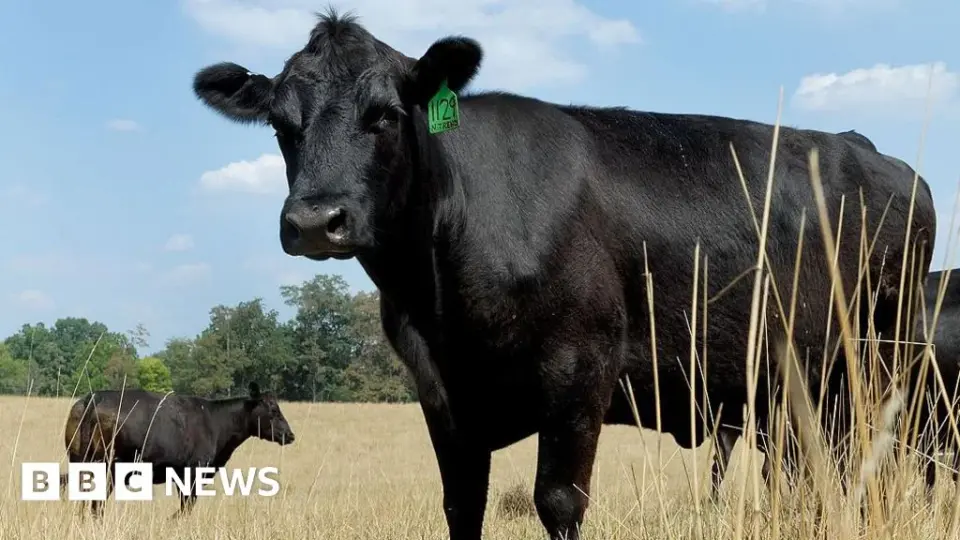
US beef prices have surged to record highs, rising 12% year-over-year, outpacing general inflation by three times. This spike is driven by the smallest US cattle herd since 1951, caused by drought and disease. Despite high selling prices, ranchers, feedlots, and meatpackers report stagnant or negative profits due to soaring input costs and limited consumer demand elasticity. The shortage is expected to persist for three years as new calves take time to reach slaughter weight.
Key points
- US beef prices are 12% higher than a year ago, with wholesale prices up nearly 16% from May 2025 to May 2026, according to the USDA.
- The US cattle herd is at its lowest level since 1951 due to drought and disease, with over 60% of cattle grazing on drought-hit land.
- Rancher Eric Gropper in South Dakota sells calves for record highs (around $2,500), but faces drastically higher costs for trucks, fencing, and feed, leaving profits unchanged.
- Tyson, the largest meatpacker, lost over $500 million on beef in the first half of its financial year due to high cattle purchase costs and limited pricing power.
- Restaurants like Monchy's in Houston and Block 16 in Omaha have raised prices modestly but face margin compression, with some customers switching to chicken or pork.
- The supply shortage is expected to continue for at least three years, as it takes two years for a heifer to produce a calf and another year for that calf to reach slaughter weight.
Background
This development follows a broader trend of rising grocery prices, with ground beef costs up roughly 79% since 2019. Previous coverage noted that while beef prices remain near record highs, demand for premium steaks has held strong, with consumers viewing them as an affordable luxury. The current crisis is exacerbated by broader inflationary pressures, including high gas prices and housing costs, which limit consumer spending power.
How outlets are covering it
BBC emphasizes the structural squeeze on the entire supply chain, highlighting that record prices do not translate to profits for ranchers, feedlots, or meatpackers due to high input costs and market concentration. Michigan Public focuses on the consumer and small business impact, noting that taco restaurants and food trucks are struggling to absorb costs, with some raising prices while others absorb losses to maintain customer loyalty. Both sources agree that the cattle shortage is the primary driver, but BBC stresses the long-term nature of the problem (three years), while Michigan Public highlights the immediate pain for small businesses and consumers.
Why it matters
The sustained high prices of beef, a staple food item, contribute to broader inflation and reduce household disposable income. The inability of the supply chain to pass on costs effectively indicates a structural imbalance that may lead to reduced cattle production and further price volatility. This situation also highlights the vulnerability of small businesses and consumers to supply chain shocks, with potential long-term effects on the US agricultural sector and food security.
What to watch
Beef prices are expected to remain high or increase further in 2026, with the USDA projecting a rise of more than 9%. The shortage is unlikely to ease until 2029, as new calves take time to reach slaughter weight. Consumers may continue to switch to cheaper proteins like chicken and pork, while businesses may seek alternative suppliers or absorb costs to maintain customer loyalty. Policy responses may focus on supporting small businesses and addressing supply chain inefficiencies.
- What's causing record high US beef prices? BBC
- High beef prices hitting consumers as meatpacking giant warns of supply struggles Fox Business
- San Diego butcher shop explains why beef prices are so high cbs8.com
- ‘Sticker shock’: Local producers, retailers navigate volatile beef market TelegraphHerald.com
- Even Taco Tuesday could be more expensive as beef prices continue to rise Michigan Public
Want the full story? Read the original reporting
Read on BBC