
Treasury to Reveal Scale of Aggressive Bond Buyback Amid Yield Volatility
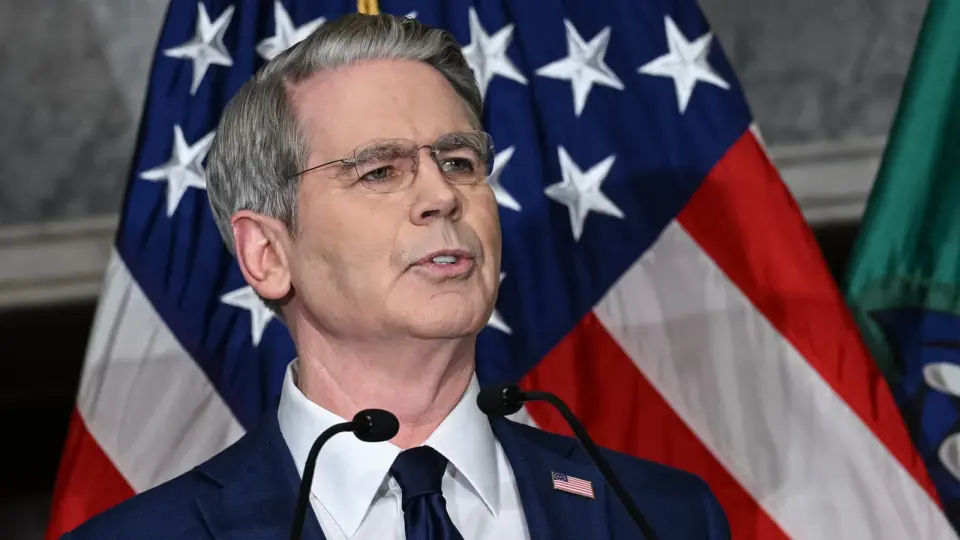
U.S. Treasury Secretary Scott Bessent is set to announce the final size of a long-dated bond buyback program on Wednesday, with analysts expecting the figure to exceed the previously stated $4 billion minimum. The move aims to suppress rising yields and stabilize the market, though critics warn that such active management may undermine the credibility of U.S. debt. Bessent has explicitly warned currency traders not to bet against his interventions, signaling a shift toward more aggressive fiscal management to counteract leverage-driven market stress.
Key points
- The Treasury Department will announce the specific size of its long-dated bond buyback operation on Wednesday, with the actual purchases beginning on Thursday.
- While the initial announcement set a floor of $4 billion, analysts from Wrightson ICAP suggest the final figure could reach $5 billion to $6 billion or higher, potentially tripling or quadrupling normal levels.
- Treasury Secretary Scott Bessent warned currency traders that he is 'the house now,' referencing parallel efforts to support the Japanese yen and prevent the Bank of Japan from selling U.S. Treasuries.
- The 10-year Treasury yield has risen approximately 10 basis points since the buyback was first announced, while the 30-year yield remains below the 5.3% threshold Bessent previously established.
- Critics, including BMO Capital Markets analyst Ian Lyngen, argue that such heavy-handed interventions depart from historical Treasury practices and may damage the asset's credibility as a global safe haven.
Background
This development follows a series of unprecedented moves by the Trump administration to manage bond markets. In late August, the Treasury doubled its long-term buyback cap to $4 billion, a move that briefly lowered yields but drew skepticism from allies and economists like Stanley Druckenmiller, who argued that without fiscal discipline, such interventions are unsustainable. Earlier in September, Bessent explicitly warned against betting against the yen, highlighting a coordinated approach to currency and bond markets. These actions occur against a backdrop of rising U.S. debt, which has surpassed $40 trillion, and a deficit heading past $2 trillion, creating pressure to keep borrowing costs low.
How outlets are covering it
CNBC focuses on the immediate market mechanics, highlighting Bessent's confrontational stance toward traders and the uncertainty surrounding the buyback's final size, noting that while yields have risen slightly since the announcement, the market is watching for a potential $6 billion or larger figure. In contrast, the analysis from Phenomenal World frames the situation as a structural crisis of 'private leverage, public costs,' arguing that the Treasury's active management is a necessary response to the destabilizing effects of hedge fund speculation. While CNBC treats the buyback as a tactical move to cap yields, the secondary source suggests it is a symptom of a deeper entanglement between leveraged finance and sovereign debt, warning that the state is now forced to manage the 'safety' of its own assets to prevent systemic collapse. Both sources agree that the intervention is aggressive, but they differ on whether it is a temporary fix or a sign of permanent institutional change.
Why it matters
The scale of the Treasury's bond buyback will signal the extent to which the U.S. government is willing to intervene in its own debt markets to control borrowing costs. If the buyback exceeds expectations, it may provide temporary relief to yields but could raise long-term concerns about the credibility of U.S. Treasuries as a safe asset. This move also highlights the growing influence of fiscal policy on currency markets, particularly regarding the Japanese yen, and sets a precedent for active government management of financial stability in a high-debt environment.
What to watch
Markets will closely monitor the announced buyback size on Wednesday and the actual demand from debt holders on Thursday. Investors will also watch for any further comments from Bessent regarding the Federal Reserve's role, as some analysts suggest that Treasury actions alone may be insufficient without coordinated monetary policy. The 30-year yield will be watched for any breach of the 5.3% level, which could trigger further intervention or a reassessment of the strategy's effectiveness.
- Bessent bond plan details to be revealed as Treasury secretary warns FX traders he's 'the house now' CNBC
- Stefano Sgambati | Private Leverage, Public Costs phenomenalworld.org
- Bessent Says Buyback Move Was Aimed at Quelling Market ‘Fever’ Bloomberg.com
- Bessent Loads Bazooka As Oil Prices Rise, Treasury Yields Waver Investor's Business Daily
- Treasury Yields Push Higher Ahead of Buyback Announcement wsj.com
Want the full story? Read the original reporting
Read on CNBC