
UC Davis Lighting Study Links Amber Hues to Stress Reduction in Hospitals and Homes
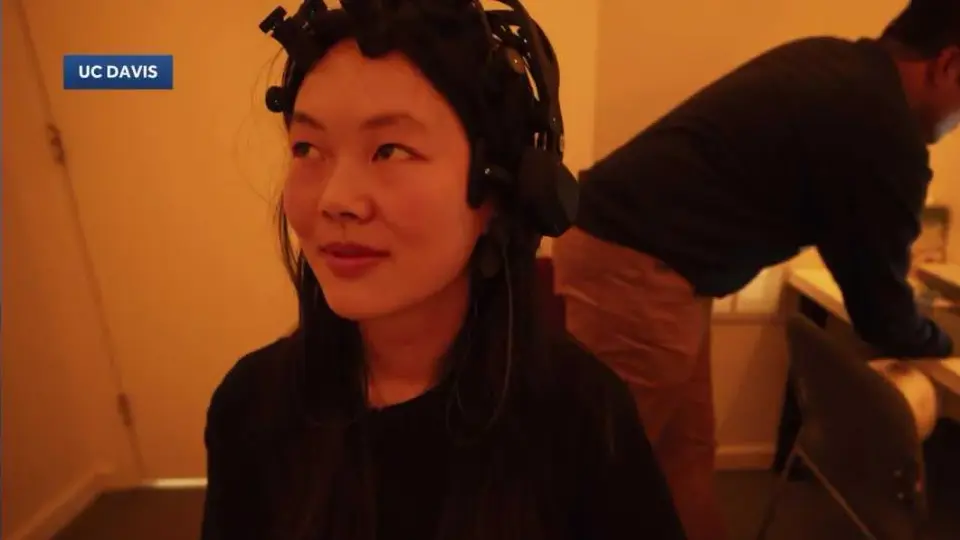
Researchers at the UC Davis California Lighting Technology Center are applying findings from stress-related lighting studies to improve environments in hospitals, autonomous vehicles, and homes. The initiative began when Toyota partnered with the center to test if interior lighting could lower stress levels in autonomous vehicle passengers. Experiments involved inducing stress in participants and then exposing them to various colors, including red, blue, green, white, and amber. Participants consistently reported feeling calmer under amber lighting, which researchers link to its resemblance to sunset signals that encourage the body to wind down. These insights are now being implemented in the new UC Davis California Tower hospital, where patient rooms will feature nighttime amber lighting to aid navigation and prevent falls, while nurse stations will offer tunable lights tailored to shift schedules. For day-shift nurses, bright white light promotes wakefulness, whereas night-shift workers can choose amber options to align with their circadian rhythms. Veronica Then, a digital communications specialist for the center, noted that these principles are easily applicable at home using tunable bulbs, recommending cool white light during the day for alertness and warm amber light at night to facilitate rest.
Key points
- Toyota initiated the research by asking UC Davis to test if interior lighting could reduce stress in autonomous vehicle passengers.
- Participants in the study were first subjected to a 'stress lab' scenario involving a silent panel of judges and blinding lights to establish baseline stress levels.
- After experiencing induced stress, participants were exposed to different lighting colors, with amber consistently producing physical markers of stress reduction and a sense of calm.
- The new UC Davis California Tower hospital will use amber lighting in patient rooms at night to help with navigation and reduce the risk of falls.
- Nurse stations in the hospital will feature tunable lights, allowing staff to choose bright white light for wakefulness during day shifts or amber light for night shifts.
- Veronica Then suggests that individuals can replicate these benefits at home by using tunable bulbs, switching from cool white light during the day to warm amber light at night.
Background
This development follows broader scientific interest in how environmental factors influence physiological and emotional states. Recent studies have highlighted the impact of social presence on metabolic stress costs and the efficacy of brief 'micropractices' for mood regulation. While some interventions, such as kombucha consumption, have shown mixed results in reducing stress, the UC Davis research provides a tangible, environmental solution through lighting adjustments. The focus on circadian alignment and stress mitigation through light complements earlier findings on the physiological benefits of social connection and short wellness activities, offering a practical approach to managing daily stress through environmental design.
Why it matters
The integration of lighting research into healthcare and transportation design offers a non-invasive method to improve patient safety and employee well-being. By tailoring lighting to circadian rhythms, hospitals can reduce fall risks and enhance nurse alertness, while autonomous vehicle manufacturers can create calmer rides. This approach democratizes stress management, allowing individuals to optimize their home environments with accessible tunable lighting solutions, potentially reducing the need for more intensive interventions.
What to watch
The implementation of these lighting strategies in the newly constructed UC Davis California Tower hospital will serve as a real-world test of the research findings. As tunable lighting technology becomes more widespread, expect to see increased adoption in residential and commercial spaces, with a focus on aligning lighting with circadian rhythms to promote health and well-being. Further studies may explore the long-term effects of these lighting interventions on chronic stress and overall health outcomes.
Want the full story? Read the original reporting
Read on KCRA