
Bessent signals readiness to expand Treasury buybacks further after initial measures fail to curb yields
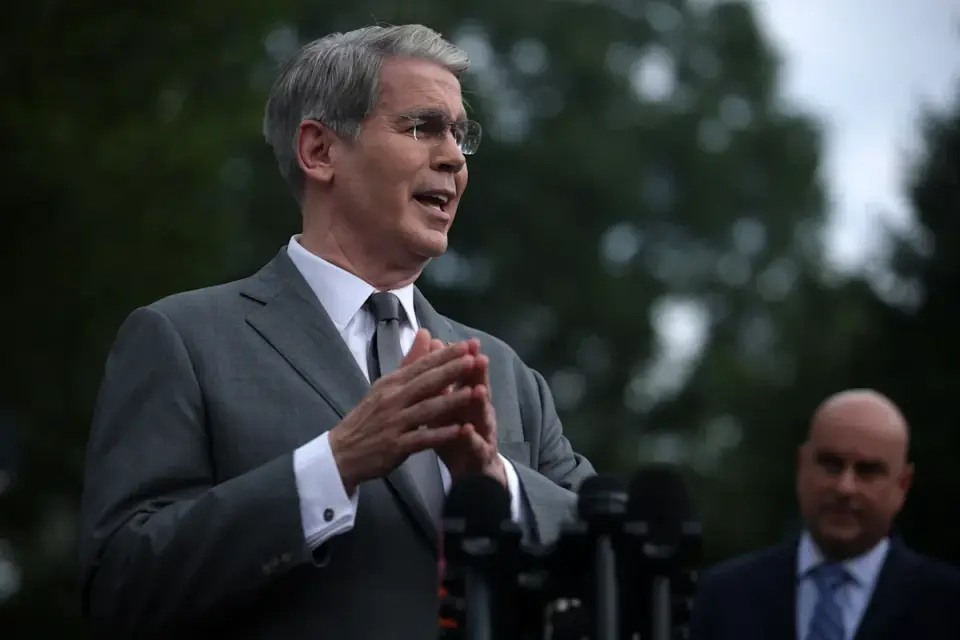
Treasury Secretary Scott Bessent has indicated he is prepared to increase the scale of long-term bond buybacks if current measures fail to lower yields. This follows a recent doubling of the buyback cap to at least $4 billion, which initially eased market stress but did not sustainably reduce borrowing costs. The administration views these purchases as a liquidity tool rather than a debt reduction strategy, aiming to stabilize the bond market amid persistent inflation and fiscal concerns.
Key points
- Bessent stated he is ready to boost Treasury buybacks further to push down long-term yields, according to Yahoo Finance.
- The Treasury recently doubled its long-term bond buyback cap to at least $4 billion per operation, effective from September 9 to November 4.
- Initial buyback expansions caused a temporary drop in the 30-year yield to approximately 5.20% and the 10-year yield to 4.63%, but yields subsequently drifted higher again.
- Analysts characterize the buyback program as a limited liquidity fix rather than a solution to structural issues like inflation and deficits.
- The move is intended to ease stress in the bond market and provide short-term relief for rates, such as mortgages, without reducing the total national debt.
Background
In August 2026, the U.S. Treasury unexpectedly expanded its long-term bond buyback program, raising the cap from $2 billion to at least $4 billion. This decision was made to address market stress and rising yields in 10- and 30-year Treasuries. While the initial announcement caused a brief rally in stocks and a drop in yields, the effect was temporary, with yields rising again as investors focused on broader fiscal pressures and inflation data.
How outlets are covering it
Yahoo Finance highlights Bessent’s willingness to escalate the buyback program as a direct response to the failure of the initial $4 billion cap to sustainably lower yields. AP News, in contrast, emphasizes that these moves have not worked so far, framing the buybacks as insufficient against the underlying forces driving up long-term borrowing costs. While Yahoo focuses on the potential for further action, AP underscores the limitations of the current strategy in addressing structural market headwinds.
Why it matters
The effectiveness of Treasury buybacks in controlling long-term yields is critical for mortgage rates, corporate borrowing costs, and overall economic stability. If the administration escalates these purchases, it may provide temporary relief but could also signal deeper fiscal challenges or unintended consequences in the bond market. Investors and policymakers are watching to see if these tactical measures can counteract inflation and deficit-driven yield increases.
What to watch
The Treasury may increase the size or frequency of long-term bond buybacks if current levels fail to stabilize yields. Market participants will monitor whether these actions lead to sustained yield reductions or if yields continue to rise due to inflation and fiscal pressures. Further policy decisions may depend on the outcome of these buybacks and broader economic indicators.
- One day after doubling Treasury buybacks, Bessent says he's ready to boost them further to push down long-term yields Yahoo Finance
- Treasury Turns to Interventionist Tactics to Lower Interest Rates The New York Times
- Why Treasury Secretary Bessent’s moves to calm the bond market haven’t worked so far AP News
- Bessent Flags Bigger Debt Buyback Potential, Coming Fiscal Plan Bloomberg.com
- Dollar Risks Becoming Biggest Loser From Bessent’s Bond Buying Yahoo Finance
Want the full story? Read the original reporting
Read on Yahoo Finance