
Black Unemployment Surges to 7%, Signaling Deeper Labor Market Weakness
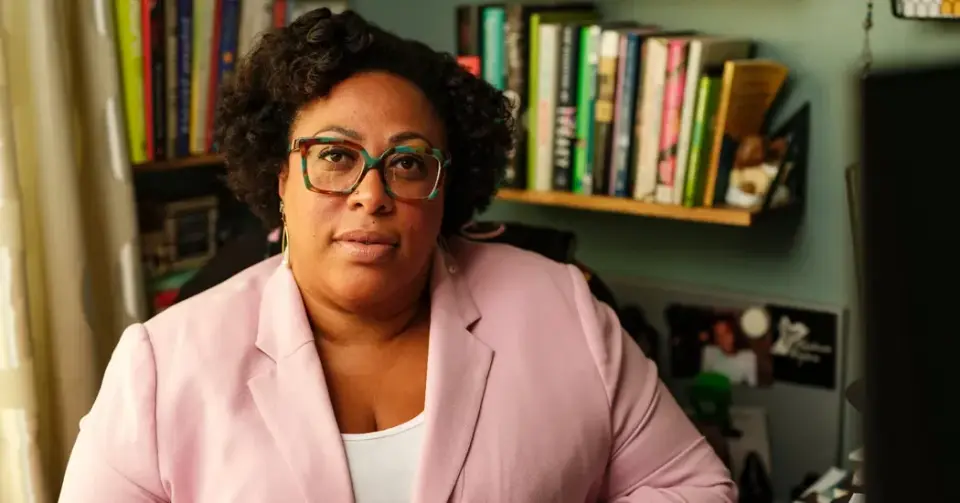
The unemployment rate for Black Americans rose to 7% in September, marking the largest monthly increase since 2012 and nearly double the rate for white workers. This spike reflects a 'triple whammy' of disappearing diversity and inclusion roles, federal government cuts, and a broader slowdown in white-collar hiring. While overall unemployment sits at 4.2%, economists warn that rising joblessness among Black workers often precedes broader economic downturns, signaling a labor market in worse shape than headline figures suggest.
Key points
- Black unemployment jumped from 6% in August to 7% in September, the fastest one-month rise since 2012.
- The rate for Black women aged 20 and older climbed from 5.6% to 6.8%, while Black men’s rate rose from 5.6% to 6%.
- Employment levels for Black women fell from a 2023 peak of 10.7 million to 10.3 million, with losses in professional services.
- Over 2,600 jobs with 'diversity' or 'DEI' in the title were cut by U.S. employers since 2023.
- Federal downsizing eliminated over 317,000 jobs in 2025, disproportionately affecting Black workers and women.
Background
This development follows a period of stable but slow hiring, with September job additions dropping to 29,000 and initial jobless claims remaining below 200,000. The current surge in Black unemployment contrasts with the overall 4.2% unemployment rate, highlighting a widening gap between demographic groups. Previous reports indicated that while layoffs are historically low, hiring has slowed significantly due to high borrowing costs and inflation fears, creating a fragile labor market where vulnerable groups face disproportionate risks.
How outlets are covering it
The New York Times emphasizes structural factors, citing the elimination of DEI roles and federal cuts as primary drivers of the 'triple whammy' affecting Black professionals. USA Today highlights the statistical anomaly, noting that while the spike is the largest since 2012, some economists like Gbenga Ajilore caution that one month does not make a trend, though the persistent 2-to-1 disparity with white workers remains a structural issue. RealClearMarkets largely mirrors the New York Times' framing, focusing on the signal that Black unemployment serves as an early warning for broader economic trouble. Kevin Hassett, the White House National Economic Council director, acknowledged the rise as a 'cause for concern' but attributed it to seasonal factors and labor force participation shifts, whereas other analysts point to systemic discrimination and high interest rates as root causes.
Why it matters
Black unemployment often acts as a leading indicator for the broader economy; when it rises sharply, it frequently precedes increases in overall unemployment. The current spike suggests that the labor market is weaker than the 4.2% headline rate implies, with hiring momentum stalling in sectors that disproportionately employ Black workers. This trend could signal a deeper slowdown in the coming months, particularly as high interest rates and inflation continue to suppress consumer demand and corporate hiring.
What to watch
Economists are closely monitoring the October jobs report to determine if the September spike is a temporary anomaly or the start of a sustained trend. The White House National Economic Council has stated it will study the causes of the rise, while labor analysts expect continued pressure on hiring in retail, healthcare, and professional services. If the trend continues, it may lead to further downward revisions in payroll gains and a potential rise in overall unemployment rates in the fourth quarter.
- Black Unemployment Hints at a Job Market in Worse Shape Than It Seems The New York Times
- Black unemployment recently spiked. It that a warning for the economy? USA Today
- Black Unemployment Hints at Bad Job Market RealClearMarkets
Want the full story? Read the original reporting
Read on The New York Times