
BOJ Holds Rates at 1.25% but Signals Further Hikes as Inflation Hits 2% Target
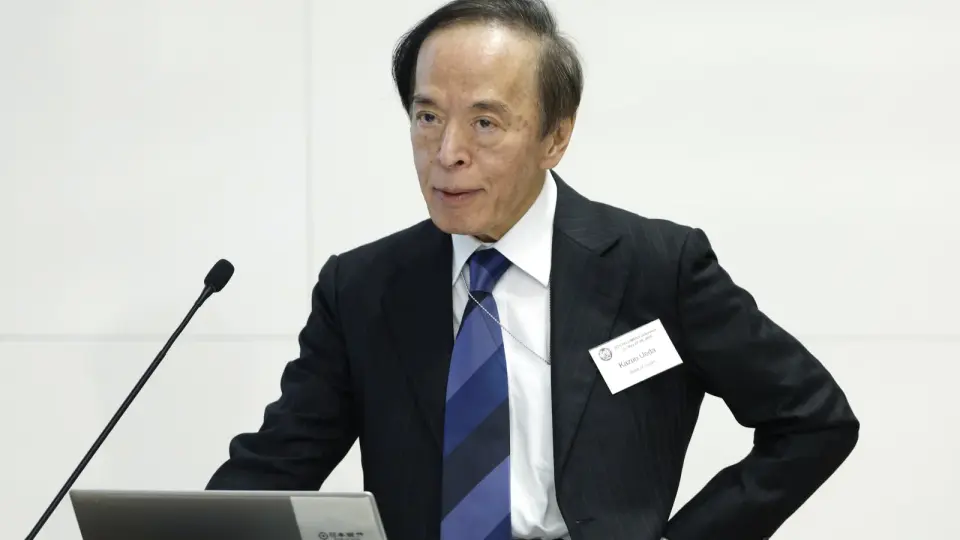
The Bank of Japan is expected to maintain its policy rate at 1.25% during its October meeting, as all 16 surveyed economists anticipate a pause after last month's hike to a 31-year high. However, the central bank is likely to signal further tightening in December or January, driven by core inflation reaching 2.1% in September and rising wages. While the yen is forecast to trade between 157 and 158 against the dollar, concerns persist regarding fiscal sustainability and the pace of future rate increases.
Key points
- All 16 respondents in a CNBC survey expect the BOJ to hold rates steady at 1.25% for the current meeting.
- Core inflation excluding fresh foods rose to 2.1% in September, the highest level this year, driven by a weak yen and energy costs.
- Inflation-adjusted wages rose for the eighth consecutive month in August, increasing by 1.5% year-over-year.
- Analysts expect the BOJ to declare that its 2% underlying inflation target has been met, potentially changing policy statement phrasing.
- The yen is forecast to trade between 157 and 158 against the dollar over the next month, with 10-year JGB yields expected to reach 3.0% to 3.1% by year-end.
Background
In September 2026, the BOJ raised rates to 1.25%, marking a 31-year high, following a 7-2 vote that included dissent from board members appointed by the Prime Minister. This move was interpreted by some markets as dovish due to the split, leading to a weaker yen and initial stock market volatility. The current pause follows this significant tightening cycle, which began with a hike in June 2026.
How outlets are covering it
CNBC emphasizes the consensus among 16 economists that the BOJ will hold rates but prepare for future hikes, citing Lombard Odier’s Homin Lee on potential lack of consensus for successive hikes due to bond market fragility. Yahoo Finance highlights the IMF’s Krishna Srinivasan, who stated the BOJ is 'doing the right thing' but may need to tighten faster if inflation accelerates, stressing the importance of anchoring expectations. Srinivasan also noted the need for a medium-term fiscal framework to address market concerns over Japan's spending plans and tax cuts, contrasting with the focus on monetary policy in the CNBC survey.
Why it matters
The BOJ's decision to hold rates while signaling future hikes reflects a balance between combating inflation and avoiding excessive pressure on economic growth. The potential for further rate increases could strengthen the yen and raise government bond yields, impacting global capital flows. Additionally, the IMF's call for fiscal clarity underscores the importance of sustainable debt management in a high-interest-rate environment.
What to watch
The BOJ is expected to announce that its 2% underlying inflation target has been met at the upcoming meeting. A rate hike is anticipated in December or January, with some analysts like Takuji Aida of Credit Agricole predicting January due to the release of the quarterly outlook report. The terminal rate is forecast to be between 1.75% and 2% by mid-2027, depending on economic conditions and inflation trends.
- Bank of Japan is expected to hold rates this week — but stay hawkish: CNBC survey CNBC
- Bank of Japan's hawkish pause to leave scope for December hike Reuters
- Japan’s Business Service Prices Accelerate Ahead of BOJ Meeting Bloomberg.com
- Japan Consumer Inflation Uptick Offers Tailwind for BOJ Rate Hike WSJ
- BOJ may need to tighten faster if inflation beats forecast, IMF says Yahoo Finance
Want the full story? Read the original reporting
Read on CNBC